
Quick summary:
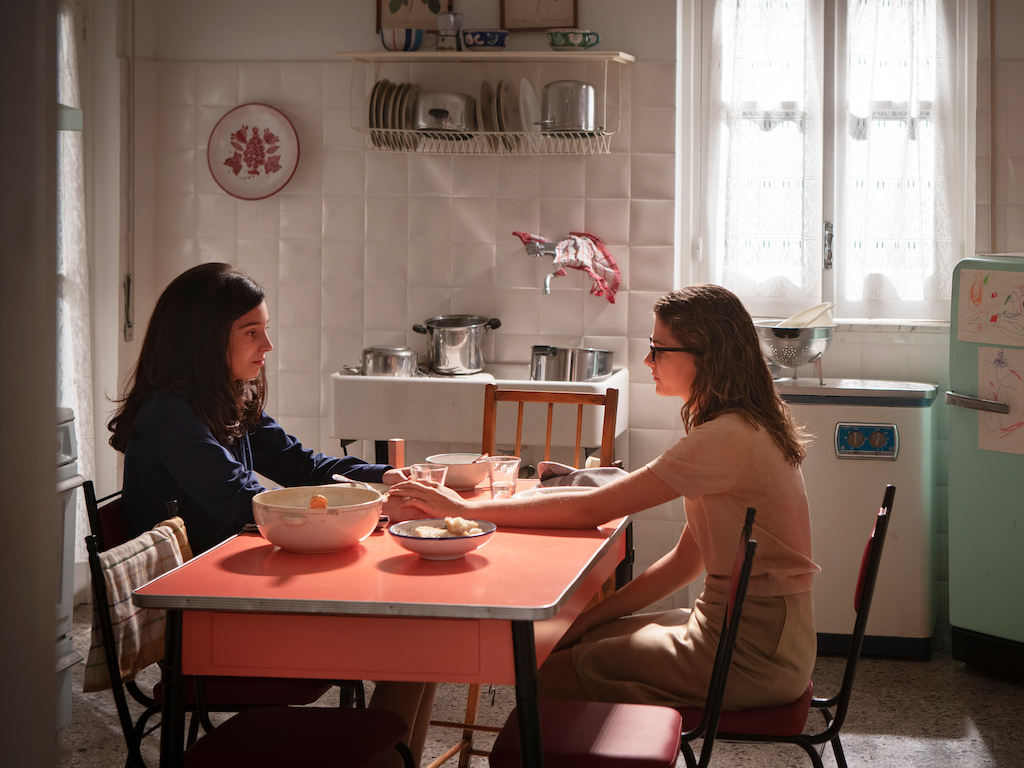
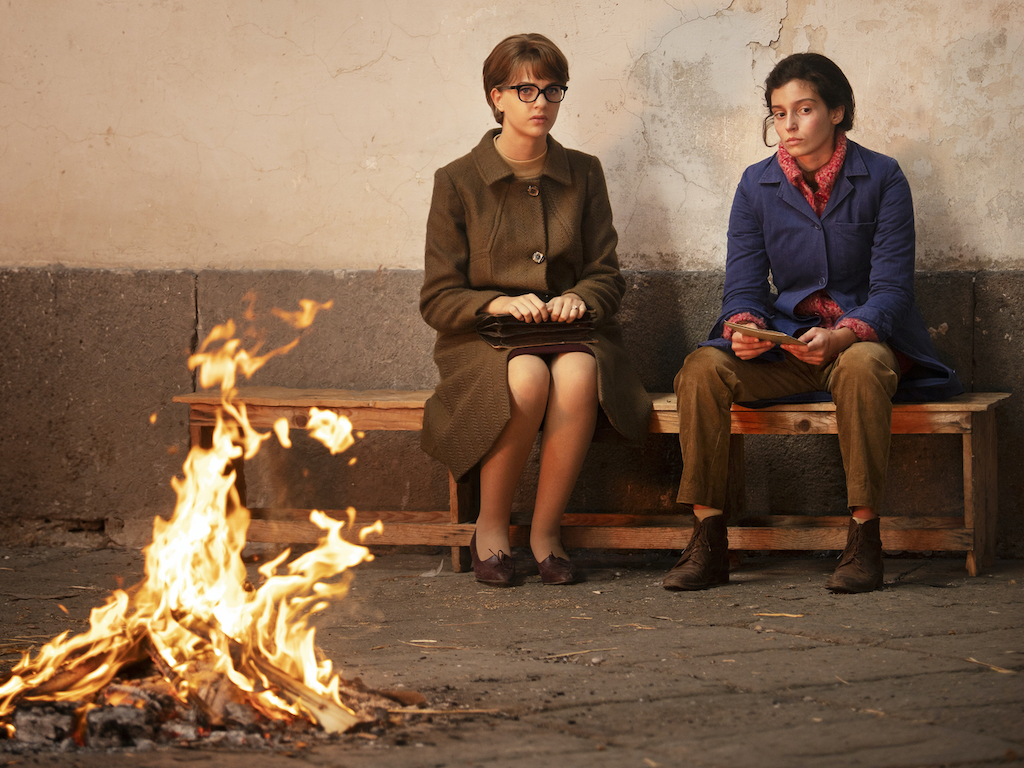
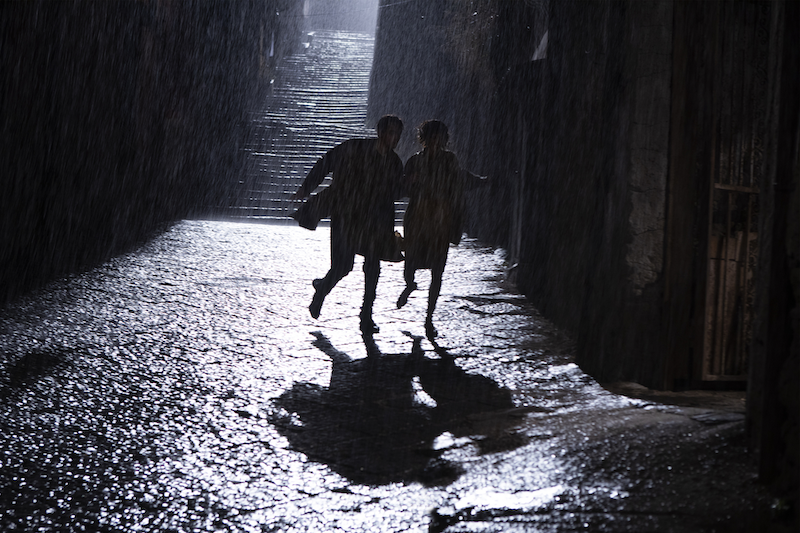
Elena (Margherita Mazzucco) begins the episode on a high, running through the streets of Pisa with her boyfriend, Franco Mari (Bruno Orlando), but then he loses his spot at the Normale and she once again feels like an outsider. Over winter break, she comes down with a gnarly flu and is shocked when her mother (Anna Rita Vitolo) shows up at her dorm room to take care of her while disseminating the latest neighborhood gossip. That night, Elena has a bizarre fever dream about Lila (Gaia Girace) that inspires her to read the stack of notebooks that were entrusted to her during a previous visit with the explicit request for privacy. By reading them, Elena learns about Lila's fears and insecurities, and the mess that her life has become. Per usual, her takeaway is less empathetic and more "damn, this bitch can write and I am jealous as hell," so the episode ends with her throwing the notebooks into the Arno.
Corresponding book chapters:
"The Secret Notebooks" roughly covers Chapters 96-109, minus the introduction of Pietro in 107-108, which happens the following episode.
Notable choice (complimentary):
Throughout the season, I worried about Saverio Costanzo's decision to save Lila's journals for E7. In the book, they're introduced immediately and provide an explanation for why Lenù knows so many intimate details about what happened to Lila when they were apart. For example, when we see Lila and Stefano's (Giovanni Amura) honeymoon in E1 of the show, there's some ambiguity about whose version of events we're experiencing. Have we dropped into Lila's perspective as she tells Lenù what happened or is this Lenù's recollection of what Lila said, infused with writerly details to enhance the narrative? In the book, we're specifically told it's a combination of "not only as [Lila] told it to me [...] but as I read it later, in her notebooks." What Lenù fails to mention is her own authorial spin, which we intuitively understand because she's the one telling the story.
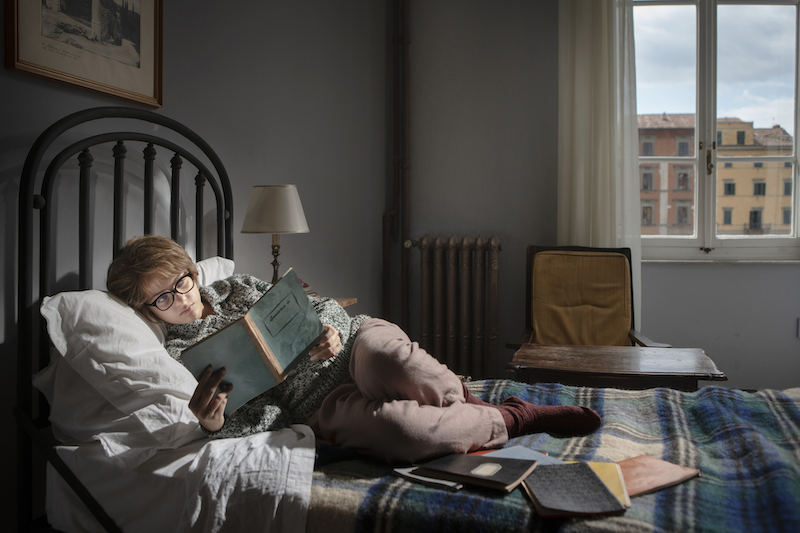
The more I consider it, the less strongly I feel about the journals being used to frame the narrative as they are in the book because ultimately, whether certain details come from Lila or not, they always contain Elena's bias. The journals are a primary source for Lila's perspective but by the time Lenù writes the book we're reading, they've long been destroyed. She claims to have memorized them before throwing them off the bridge in Chapter 105, but who has a memory so good that they retain dialogue from 40+ years ago? Who's to say Lila's journals even included dialogue? My point is that it doesn't terribly matter if someone watching the show knows about the journals while going into S2 because they don't actually lend Lenù that much credibility. In scenes with Lila where Lenù is absent, her voiceover is used to remind us of her presence. Even when she's not physically there, the story is still from her POV.
The show's decision to introduce the journals linearly, right as Lenù is feeling her worst, is a smart one because it emphasizes her insecurities, which drive many of the decisions she'll make throughout the rest of the series. The journals are less about giving Lila a voice and more about how Lenù responds to that voice.
Notable choice (derogatory):
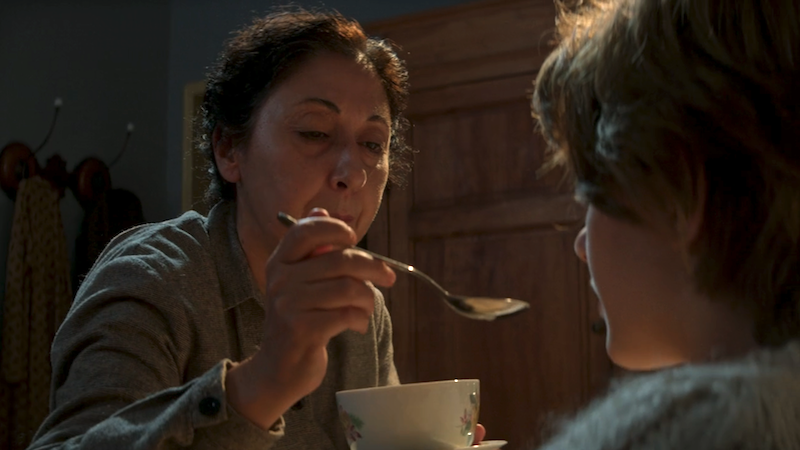
Once again, book Lenù is 100x more savage than her TV counterpart, which makes for a compellingly layered character. In the show, Immacolata's arrival in Pisa is heartwarming in a vein similar to when she gives Lenù money for college or cries over the books gifted by Lila. The tone is very, "Look at this tough person who ultimately wants what's best for her child" sans Lenù's internal processing, colored by years of abuse. Immacolata is a product of her environment with no blueprint for how a supportive parent should act, so her behavior makes sense to a detached observer; it's just not necessarily tolerable, forgivable, or understandable to a person on the receiving end of it. It's important to remind the viewer of Lenù's feelings to avoid a simplistic portrayal of a complicated relationship; while the show does a good job of this at times, the flu scene felt too one-dimensional, entirely missing Lenù's valid irritation.
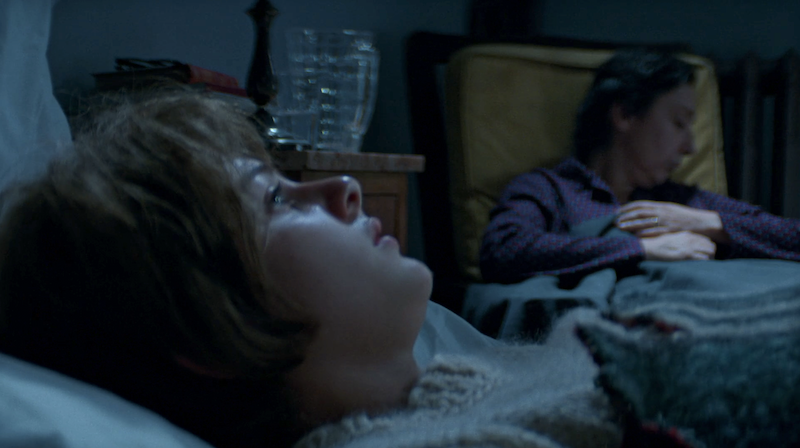
Some of the best book scenes occur when Immacolata probably means well but Lenù is so used to being treated poorly that she's wary of her mother's intentions. During the flu scene in the book, Lenù is annoyed to see Immacolata, saying, "She depleted me more than the fever," and, "I discovered that, in the state of fragility caused by the illness, I was more sensitive to everything I couldn't stand about her." Immacolata has done an objectively kind thing that Lenù can't acknowledge without a healthy dose of skepticism. She's not the type of mother who will ever say, "I'm proud of you." Her emotionally stunted version of that involves elevating Lenù by shit-talking other people, which is interpreted in the moment like this:
What wounded me most was to sense behind her pride as a mother the fear that things would suddenly change and I would again lose points, no longer give her occasion to boast. She did not much trust the stability of the world. So she force-fed me, dried the sweat, made me take my temperature I don't know how many times. Was she afraid I would die, depriving her of my trophy existence? Was she afraid that, being ill, I would give in, be in some way demoted, have to return home without glory?
This dichotomy between appreciation and resentment in the book is much more interesting than the show's meanie with a heart of gold angle. Anyone who has grown up with a parent like Immacolata knows what this type of conditional, comparative praise does to a person. It's no wonder Elena is caught in this trap of routinely measuring herself against Lila — her mother has steadily ingrained the behavior.
Thoughts:
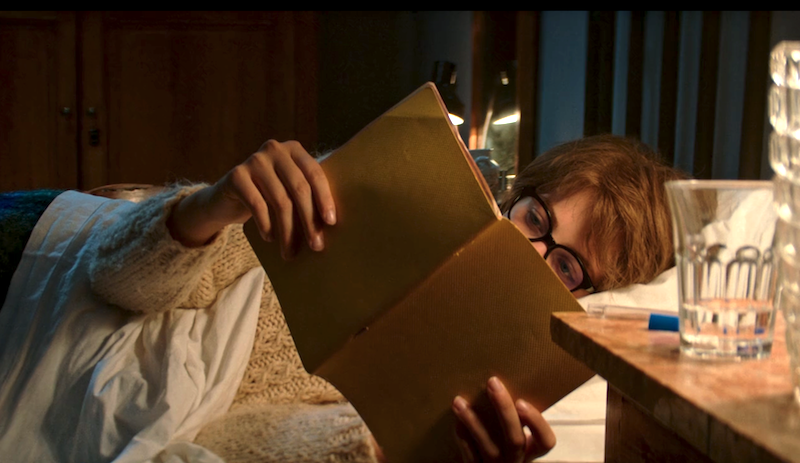
Imagine reading your friend's journals, learning about the hell her life has become, the threat of violence she lives under every day, and fixating instead on how skillfully she's captured it all. For a writer, it's not a difficult task; we're a fragile, jealous lot, often motivated by deep-seated insecurities. When Lenù reads Lila's notebooks in the novel, she says,
they made me feel that the world of the Normale—the friends, male and female, who respected me, the affectionate looks of those professors who encouraged me to constantly do more—was part of a universe that was too protected and thus too predictable, compared with that tempestuous world that, in the conditions of life in the neighborhood, Lila had been able to explore in her hurried lines, on pages that were crumpled and stained. Every past effort of mine seemed without meaning.
By leaving and going to school, Lenù has learned discipline, how to channel her ambition toward a goal, how to take raw talent and really hone it; in doing so, she's removed herself from a place where dramatic, literary events happen daily. If she were being honest with herself, she would probably find that at least part of the reason why she maintains a friendship with Lila is because of the access it gives her to the place that she left. If Lenù can't experience the neighborhood firsthand anymore because she's too far removed, her smart, observant friend can act as her conduit, providing the necessary insights and background that only an insider would have. At this point in the narrative, she hasn't started writing yet, but the dream has been there since the "Little Women" days. When Lenù reads the notebooks, she's upset not just because of the high caliber writing, but because of the experience. Lila is Hunter S. Thompson living with the Hells Angels while Lenù is Rory Gilmore with her nose in a book.
What Lenù sadly doesn't yet realize, even as an older woman reflecting back on her life, is how unique her own perspective is, how it gives her insight that Lila could never have from within the neighborhood. While reading, I had this revelation that the Neapolitan novels are in large part about how much anxiety remains after leaving your fucked up family/hometown and reexamining them from a distance. Lenù has physically escaped the neighborhood, but is still trapped in a guilt-ridden emotional prison. On some level, she feels like she's shirked her fate and destined herself to a life where she's constantly ill at ease. She's no longer part of the dirty, exhausting hamster wheel of the neighborhood, and she has not, and will never, properly integrate with the people of her new social class. This tension is where her own literary genius exists; not as a rehashing of Lila's words, but as a response to them.
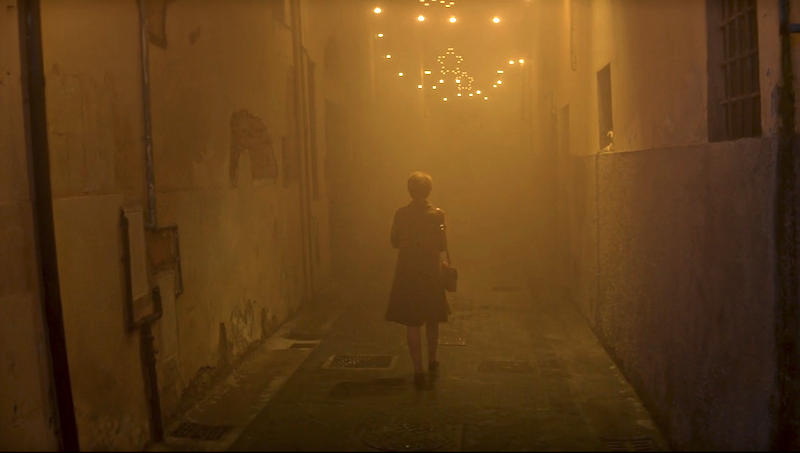
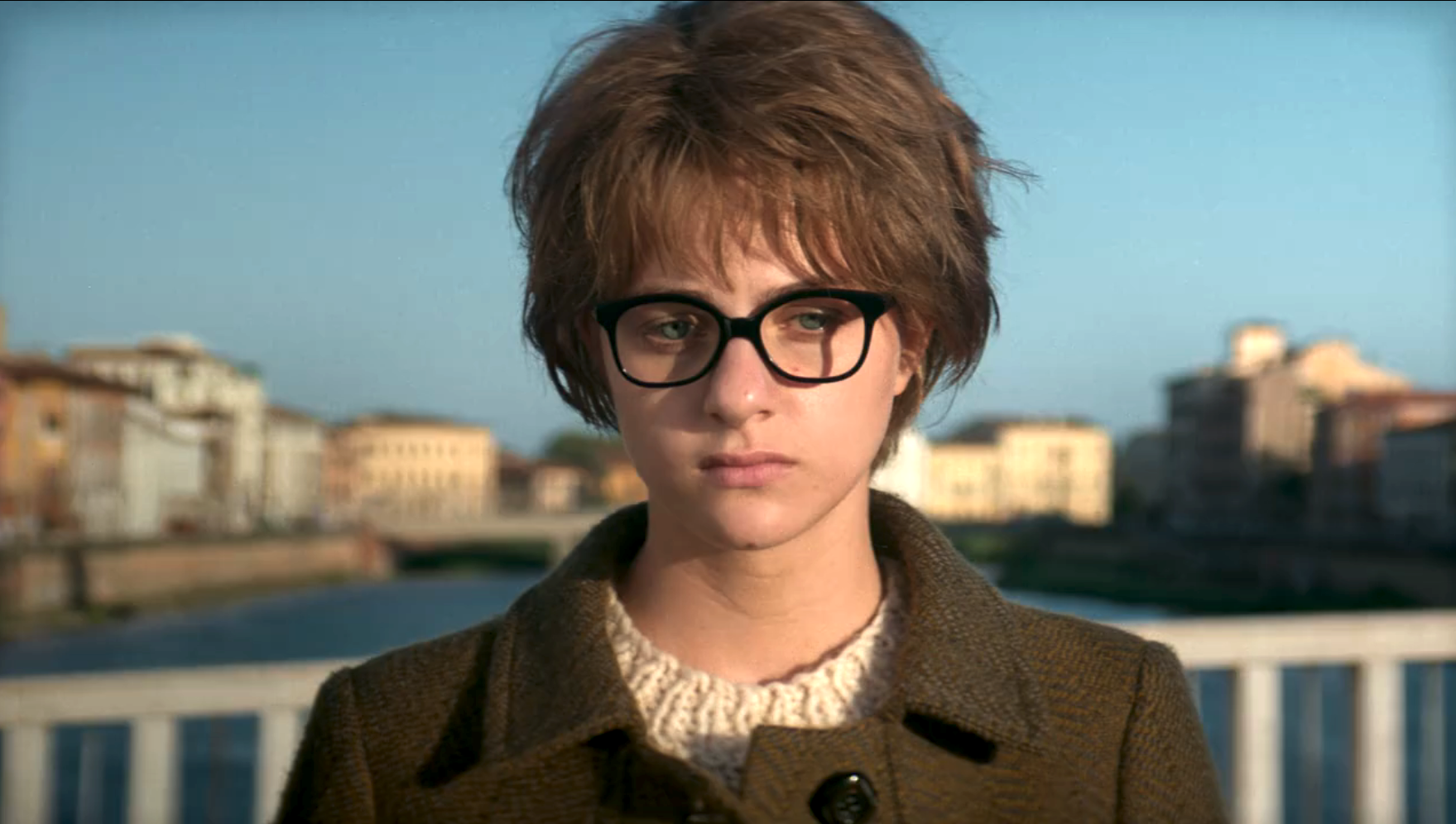
At the beginning of the episode, Franco Mari helps Lenù assimilate to life in Pisa by sharing his wealth, encouraging her to stand up for herself, and reminding her of her value. She loves how he impacts her self-esteem, but she isn't in love with him, and worries in the book that without his reputation to coast on, she'll no longer be able to ignore the fear of "saying and doing the wrong things." After he gets kicked out of the Normale, she walks alone down a cold, foggy street, gazing at the happy faces of her peers inside a bar, noting via voiceover how alien she feels now that he's gone. Book Lenù notes,
His wealth, his upbringing, his reputation, well known among the students, as a young militant on the left, his sociability, even his courage when he delivered carefully measured speeches against powerful people within and outside the university—all this had given him an aura that automatically extended to me, as his fiancée or girlfriend or companion, as if the pure and simple fact that he loved me were the public sanctioning of my talents. But as soon as he lost his place at the Normale his merits faded, and no longer shone on me.
Sometime after Franco's departure, Lenù comes down with the flu and when her mother shows up to take care of her, she also waterboards her with Lila updates, leading to a gnarly dream sequence that's an amalgamation of what is written in the book. Under the glow of Christmas lights, Lila sits in a four-poster brass bed with her baby, flanked by a man taking photos and a large woman with pigtails in a white dress. Lenù stands in the background, facing away from the spectacle, as Lila tells the photographer, "Take a picture. Just me, not the baby." Lila is the focus of the scene; Lenù exists only on the periphery, turning to look as the camera clicks increase. She offers up no interpretation of the dream, although before it happens in the book, she has recently seen pregnant Lila in the neighborhood and had this cheery revelation:
We said goodbye, promising to write. But we never wrote and I did nothing to find out about the birth. Sometimes a feeling stirred in me that I immediately repressed to keep it from becoming conscious: I wanted something to happen to her, so the baby wouldn't be born.
This is what I mean when I say that book Lenù is in an upper echelon of assholes. She also, after receiving Nino (Francesco Serpico) updates from Antonio and Marisa, feels smug satisfaction over "how little good it had done [Lila] to take Nino away from me." In the show, when she decides to read the journals post-dream, she's already had them for a while and has been purposely trying to avoid thinking about Lila. In the book, she reads them immediately after they've been given to her, despite promising not to, on the train back to Pisa.
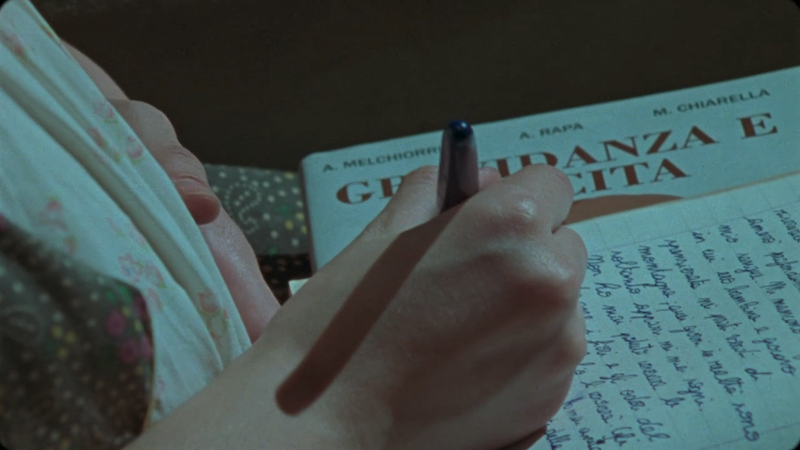
Post-nightmare, TV Lenù takes the journals to the bathroom and cracks into them on the toilet so as not to disturb her sleeping mother. As she reads, we're transported back to the night Lila returns from the Campi Flegrei apartment and tells Stefano about her pregnancy. When she says the baby isn't his, he thinks she's taking the piss and deflects her negativity with joy, immediately agreeing to her demands (no more work, sex, or Solaras). Lila spends most of the pregnancy inside her darkened apartment, looking through the peephole at the men who show up to ask for favors before resorting to the classic "bitch, whore, slut" trifecta. Rino (Tommaso Rusciano) is being boxed out of the shoe business and needs help "with the shoes, with the store, with money," and Michele (Alessio Gallo) was promised new shoe styles that never materialized. During this period of isolation, Lila "feared what she'd always feared most: that she'd break open, spill out."
Mercifully, TV Lila makes it through the birth relatively unscathed (in the book she nearly dies) aside from a fight with her dickhole husband who doesn't like that she's chosen the name Gennaro (Rino for short, but never in these recaps in order to avoid confusion). As he throws a full-on tantrum, punching walls and screaming, "His name's Achille," the nurse nuns call for reinforcements to drag his diva ass away. Aside from Stefano's occasional menacing presence, young motherhood seems fulfilling, sometimes even blissful, for Lila. She takes pleasure in learning about child development and inventing games to keep Gennaro stimulated. Per usual, there are a few upsetting events — like an encounter with Maestra Oliviero (Dora Romano) at her bitchiest and an explosive scene where Stefano throws Rino down the stairs in front of Gennaro and Dino — but things don't escalate exponentially until Michele tells Lila about Stefano's affair with Ada (Ulrike Migliaresi).
First, because he's disgusting, Michele propositions Lila, telling her that she and Rino should come live with him in his new house in the Vomero. After she declines, he reveals that Stefano and Ada have been fucking since the summer spent on Ischia. Lila isn't betrayed or upset in the traditional sense, but she recognizes that this puts her in a vulnerable position. If he wanted to, he could kick her out and shack up with his mistress, leaving her and Gennaro homeless and penniless (Google "patria potestà" and prepare for rage). Over the next weeks (?) Lila tests the waters with Stefano, who treats her with heightened disdain in the rare moments when he's home. Eventually, she decides to confront him about Ada for reasons Lenù can't discern, and is surprised when he vehemently denies the affair, insists he still loves her, and rapes her in front of Gennaro. In a scene that mirrors her honeymoon rape, the camera rests on Lila's vacant eyes, which this time aren't vacant because they're fixated on her son.
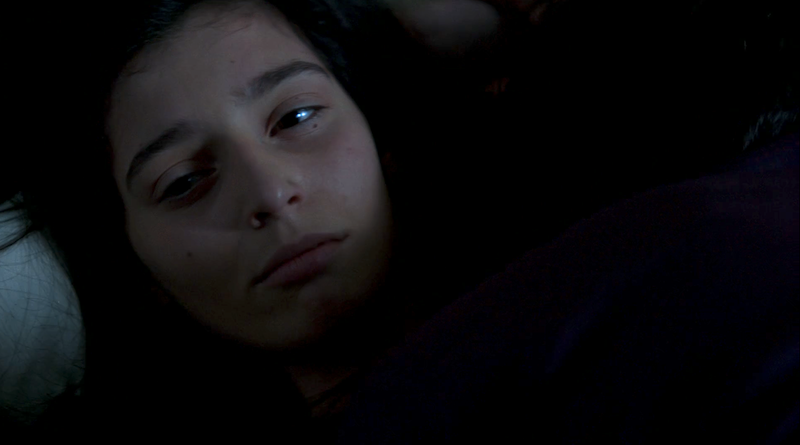
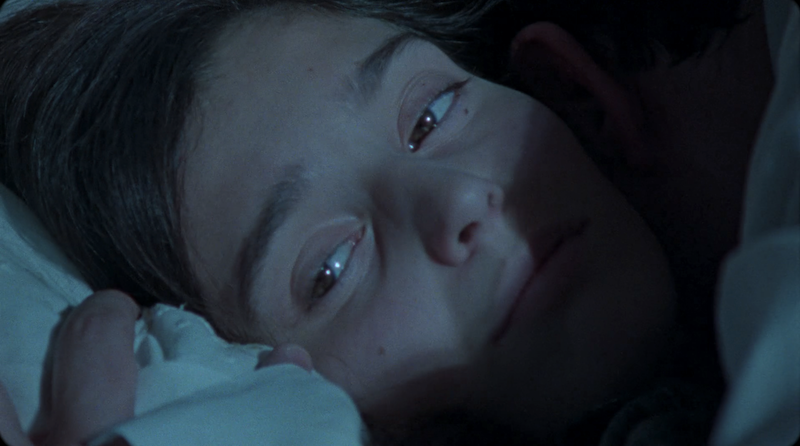
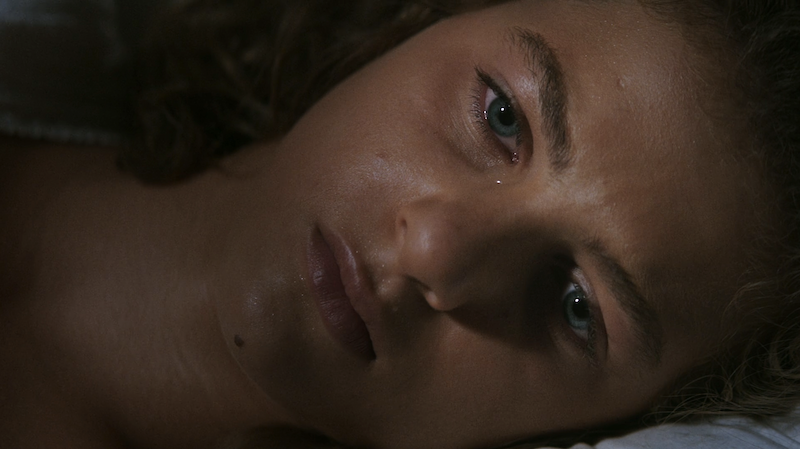
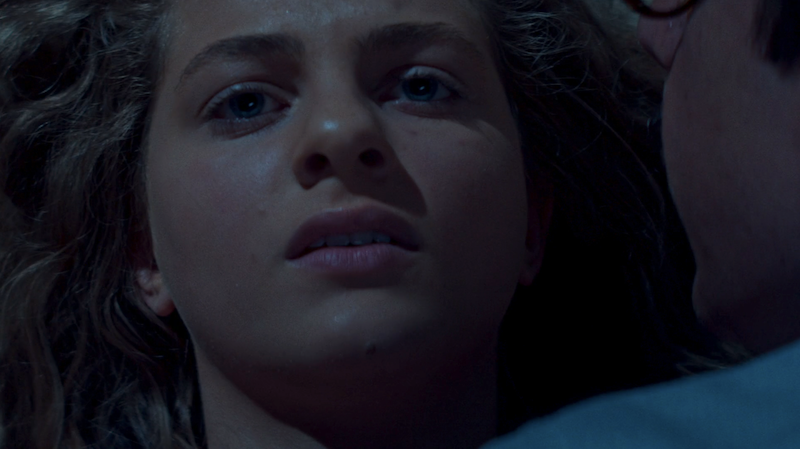
The world is, and always has been, a cruel place for women and girls.
To remind us we're inside Elena's thoughts as she reads the journals, there are periodic shots of her absorbed in their contents, first in the bathroom, then on the bed, that fade into the action with Lila. Her voiceover gives insight into Lila's perspective, but her own isn't shared until the journals have come to an end and we've rewound to the lunch in the old neighborhood when they were initially bequeathed to her. Before they meet, Elena worries Lila will
instantly find a way to reinstate the old hierarchy, make me lose confidence in my choices, but above all I feared she'd point out Nino's features in little Gennaro, to remind me that the toy that should have been mine was hers.
Instead, Lila is so preoccupied with trying to avoid familicide that she has no energy for mind games. Someone with an overly negative view of her might believe that she gave the journals to Lenù because she wanted her to read them, not because she was afraid that Stefano would; however, I don't buy this. Lila isn't some egotistical maniac who believes her writing has the power to drive Lenù into a jealous spiral. She, too, is motivated by fear and insecurity, just of a slightly different variety. She trusts Lenù and surely doesn't envision that she'll break a promise let alone commit an act of destruction.
For Lenù, the moment on the bridge is her saying, "Enough." As the journals sink into the river, the camera zooms in so closely that the water becomes nothing more than an amorphous shimmer. She's done with the constant comparisons to her friend, the "almost" feelings of inadequacy in spite of her many achievements. The girls have gone through periods of estrangement in the past, but this moment feels different. Lenù is close to finishing college, Lila has a child, and the distance between them (emotional, physical) has never been greater. Their paths have been steadily diverging since the moment Lenù continued with school and Lila didn't; the "secret notebooks" have kicked this process into high gear, stoking animosity that won't easily resolve with a trip to Ischia or help with Latin homework. Once Lenù ingratiates herself with the Airotas in "The Blue Fairy," a new phase of their friendship becomes inevitable.
Random observations:
- I've never read anything by Giovanni Verga, so I don't know if he is, as Franco Mari says, "an obtuse conservative," but Marxists, like Antonio Gramsci, saw him as a fatalist who distrusted attempts at social reform, so... Mari's not without merit.
- I might hate Maestra Oliviero even more than the Neapolitan men. To put her into 2026 context, she'd probably be one of those victim-blaming dingbat neolibs who don't understand why poor women can't just take out loans to pursue entrepreneurship.
- "Your father knew how to be a criminal, you don't even know how to do that," is an admittedly sick burn that is worth getting thrown down the stairs for.
- I love the use of handheld camera and the hazy look of the entire episode, especially Lila's journal flashback sequences. I'm not sure if they were shot on film or just color graded to look like they were.
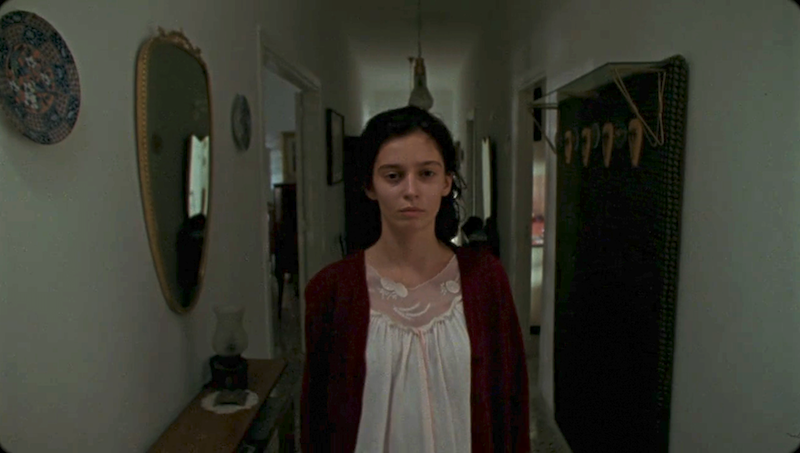
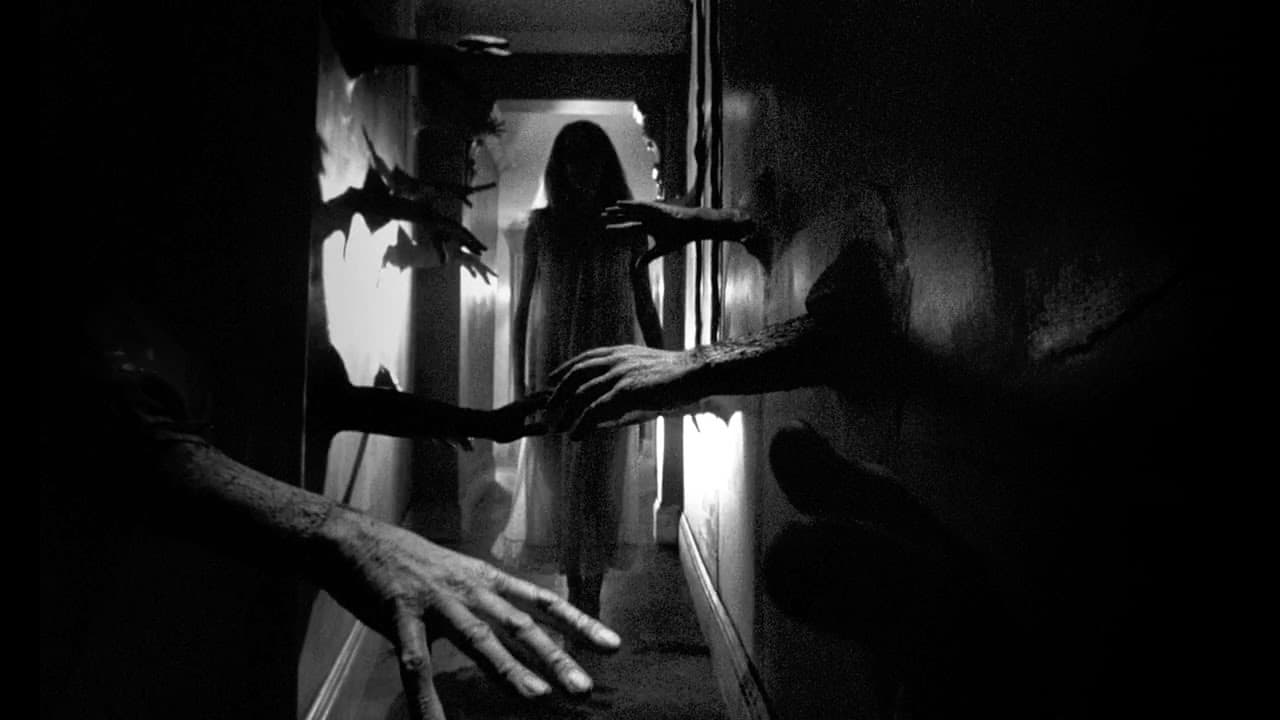
I half-expected hands to emerge from the walls to grab her.
- Michele Solara tells Lila that Alfonso (Fabrizio Cottone) "doesn't like women." If you're watching for the first time, you should be wondering how he knows this. In the book, his handsome and intelligent "friend" Fabrizio makes an appearance and one can imagine they've probably fucked on the same shoe store surfaces as Lila and Nino.
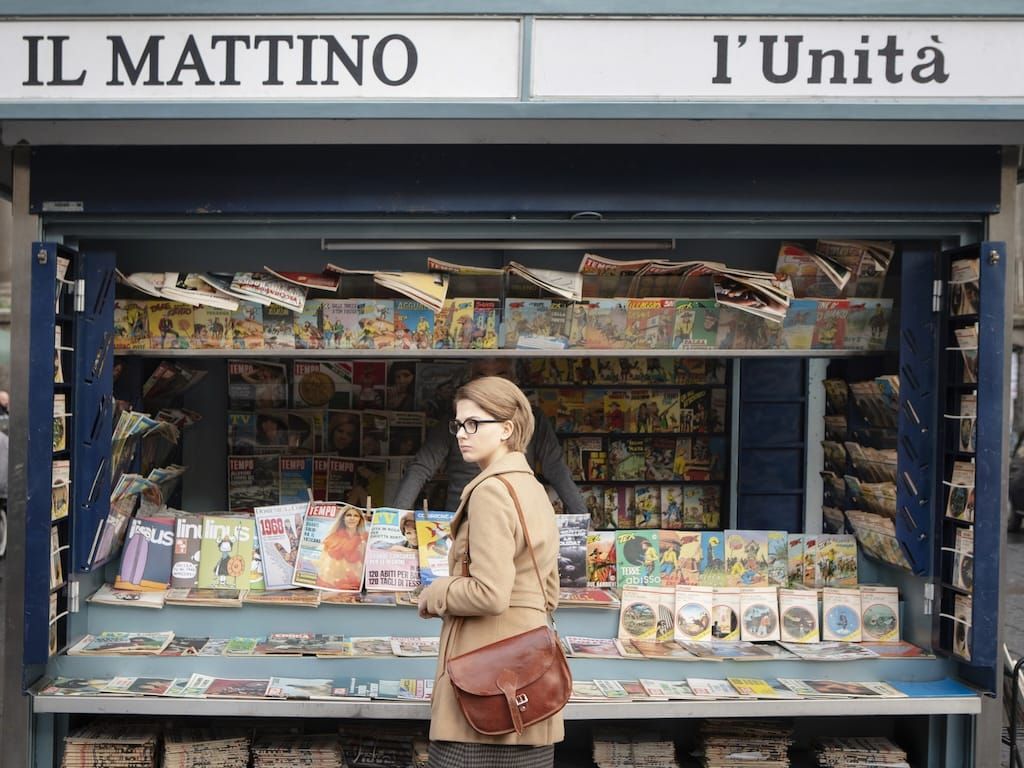
- In the book, Pasquale (Eduardo Scarpetta) is the last to learn that Ada has been cheating on him. His initial impulse is of course to call her a whore, but "he now felt—since he kept himself up to date, read l'Unità, studied booklets, presided over debates in the [neighborhood] section [of the Communist party]—that he could no longer do that, in fact he made an effort to consider us women not inferior, generally speaking, to men, with our feelings, our ideas, our freedoms." Oh, Pasquà, you were on such a promising path...
- In Gwendoline Riley's 2021 novel, "My Phantoms," the narrator buys her (emotionally immature) mother the Neapolitan novels for Christmas, dooming herself to a spate of texts like, "Is Lenu Lina or is Lena Lulu? Argh!" and "Is Lenu Lina or is Lili Lala?" It's a painful book that I highly recommend.
Member comments