
Quick summary:
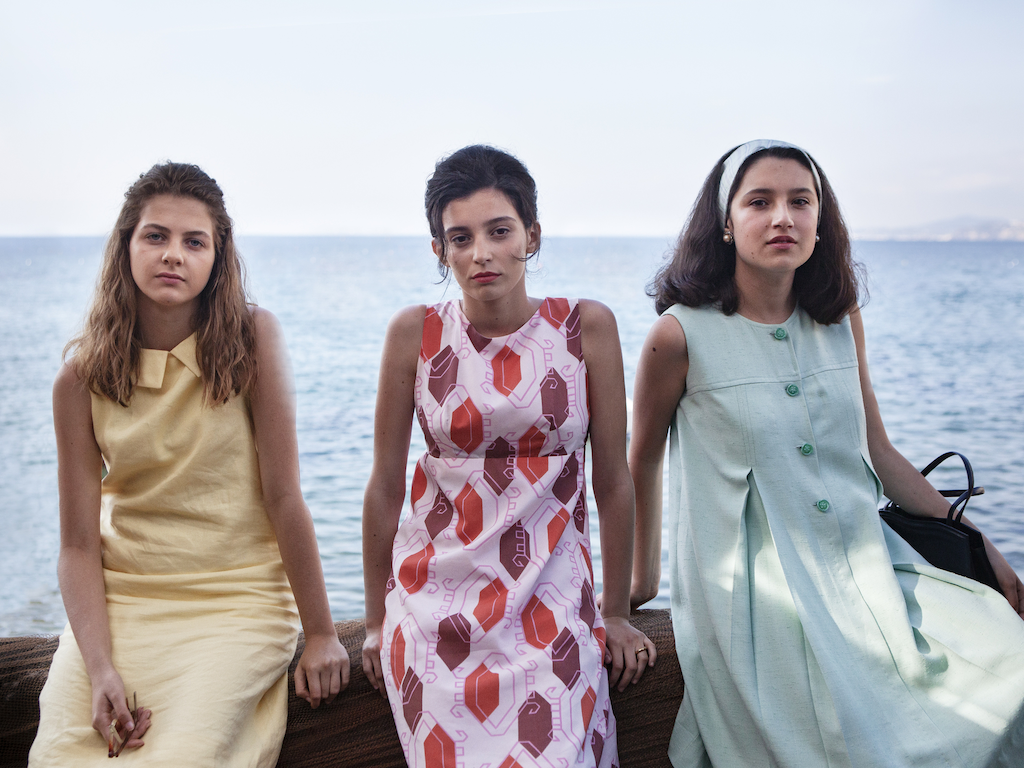
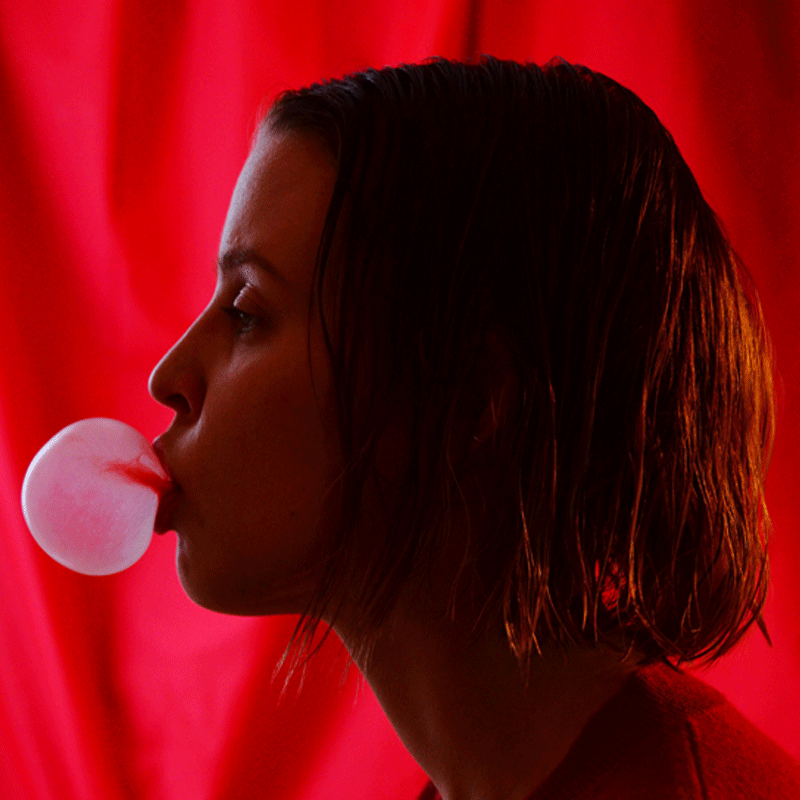
After a brief estrangement, Lila (Gaia Girace) and Elena (Margherita Mazzucco) make up at Rino (Gennaro De Stefano) and Pinuccia's (Federica Sollazzo) wedding. In part, the reconciliation is motivated by Elena's sympathy over Lila's can't-keep-a-pregnancy fragility, but even more influential is the promise of spending the summer on Ischia with Nino (Francesco Serpico). When a kind doctor prescribes salt water as the cure for Lila's infertility, she begs Elena to accompany her on vacation, offering to pay her the same wage she would have made at the bookstore. Along with Nunzia (Valentina Acca), Pina, and the husbands on weekends, the girls head to the island for two months of heartbreak and forbidden romance. Nino and his friend Bruno (Francesco Russo), who are staying nearby in Forio, integrate themselves into the friend group, rapidly fucking up the delicate balance of egos and personalities. It's like watching a slow motion car wreck or, more accurately, a PSA against teen marriage.
Corresponding book chapters:
"The Kiss" covers most of Chapter 38 through the middle of Chapter 56. Aside from the opening scenes at the wedding, a majority of the action takes place on Ischia during the month of July.
Notable choice (complimentary):
Now feels like as good a time as any to highlight costume designer Antonella Cannarozzi, who helps bring the characters to life using a mix of custom-made and vintage pieces. At the beginning of the episode, Lila's styling is reminiscent of the party at Professor Galiani's (Clotilde Sabatino) house: she wears the same pearl necklace, hair pulled back in a twist, and her now-signature red lip. That night on Corso Vittorio Emanuele, her outfit made her stand out as someone who, combined with her young marriage and lack of education, appears older and more formal than everyone else her age. She looks more similar to Galiani than any of the students.
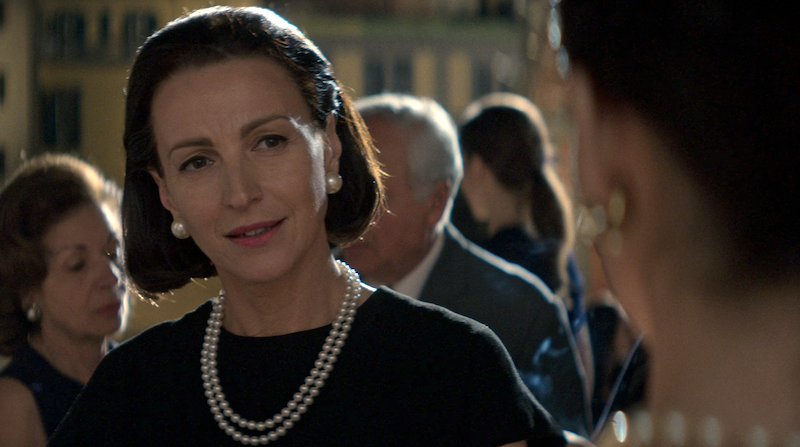
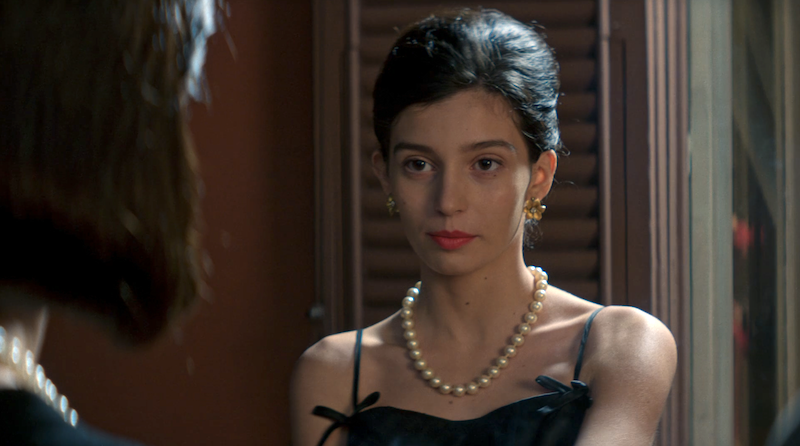
Tense greetings from one married pearl bitch to another.
At Rino and Pina's wedding, the styling still sets her apart (in this case, as someone with more money), but the color scheme of her dress connects her to Ada (Ulrike Migliaresi) and Carmela (Francesca Pezzella), who now have more insight into Lila's life than Elena does. All three girls are dressed in shades of yellow, with Elena and the woman who gets doused in wine wearing blue. In the book, the neighborhood girls are even more aligned with Lila, defending her to Elena by noting how much she helps them financially and could use their support as the Carracci family investigates her unfruitful womb (🤮).
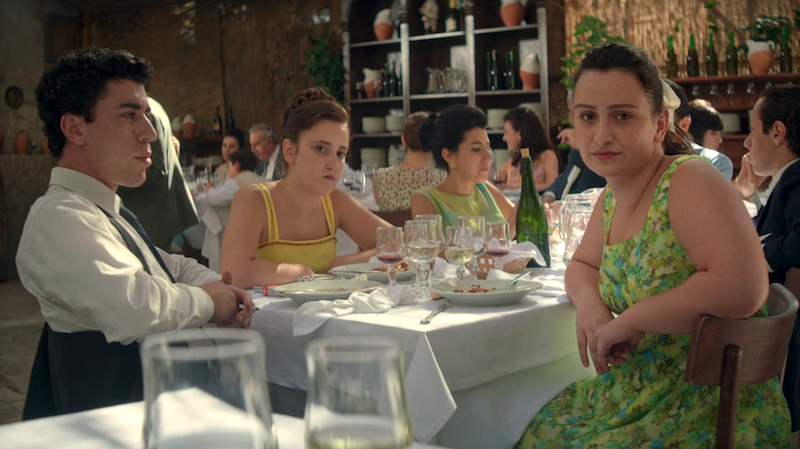
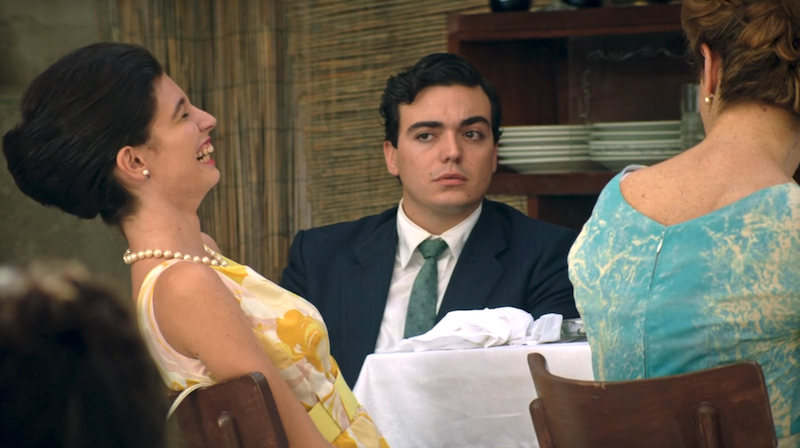
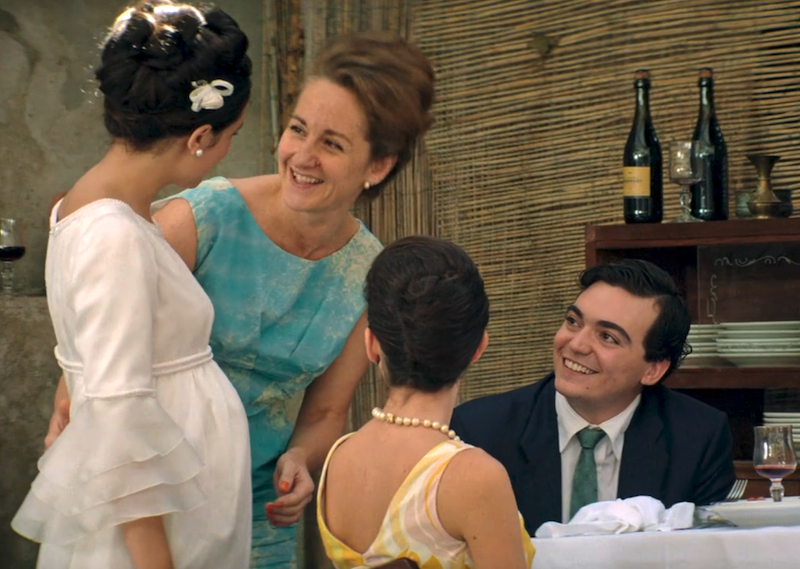
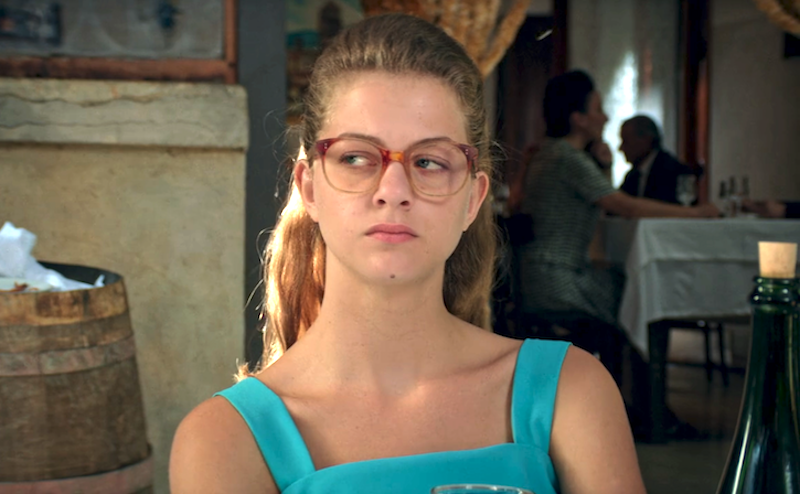
Pregnant Pina looks chic as hell. She should have karate chopped that woman for lifting up her dress and commenting on her thighs.
Throughout this episode, and the entire series, costumes are used to signify socioeconomic status, romantic interest, and developing feuds/alliances. On Ischia, Lenù wears a ratty burgundy bathing suit that looks nearly identical to the one from her first summer with Nella (Nunzia Schiano). The colors are different, yet the tragic, stretched-out fit persists. Lila and Pina, both married to men with money, have multiple suits in flattering cuts and prints. The book describes them like this:
What pretty bathing suits Lila and Pinuccia displayed when they took off their sundresses: one-piece, of course. The husbands, who as fiancé had been indulgent, especially Stefano, now were against the two-piece; but the colors of the new fabrics were shiny, and the shape of the neckline, front and back, ran elegantly over their skin.
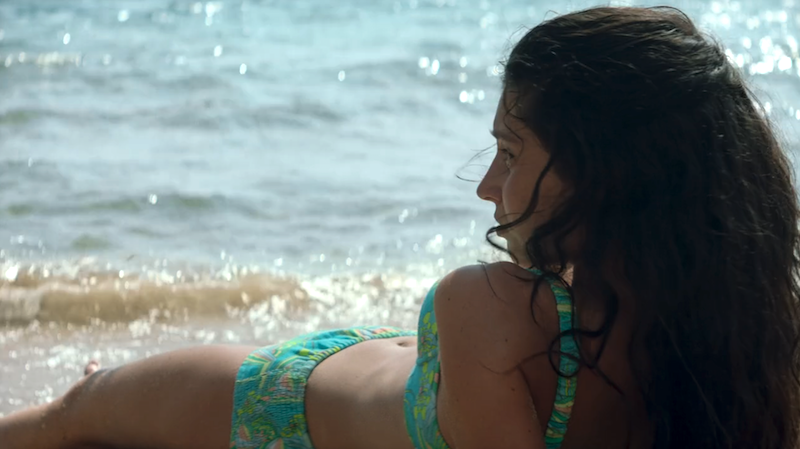
How interesting, then, that Lila dons a brightly colored, 60s psychedelic print bikini on the day Nino kisses her. Even when the onscreen decisions differ from the book, they're always deliberately made to better emphasize themes or foreshadow events. Over the course of the episode, Lila balances a budding interest in Nino (note her beach lipstick and updo during the Beckett conversation) with a guilty conscience and/or need to keep the peace with Stefano (Giovanni Amura). She appeals to both men using attitude and fashion, whereas Elena only really has her academic diligence.
Notable choice (derogatory):
While reading the corresponding chapters, I was struck by how intellectually stimulating Elena finds Lila and how aware she is, at least on some level, that everything involving Nino (and academia in general) is bullshit. When she visits him in Forio and mentions Federico Chabod, it makes him angry because he's unfamiliar and thus, can't pontificate. Hilariously, Elena is also only marginally familiar with Chabod, stating,
I mentioned that name because he was the author of the book on the idea of nationhood that I had read a few pages of. I didn't know anything else, but at school I had learned to give the impression that I knew a lot.
Elena and Nino are both “fake it 'til you make it” posers willing to spin a tiny crumb of information into a full-fledged argument neither of them understands. If they don't know something, they deflect; if that doesn't work and no other option presents itself, they begrudgingly admit ignorance. They repeat comments they've heard other, smarter people make and tailor their ideas not to reflect what they actually think, but what they think they're supposed to think. Lila, on the other hand, is interested in the truth, in challenging ideas. Elena explains,
I also understood that there was no comparison with the exchanges I had had with Lila years earlier, which ignited my brain, and in the course of which we tore the words from each other's mouth, creating an excitement that seemed like a storm of electrical charges. With Nino it was different. I felt that I had to pay attention to say what he wanted me to say, hiding from him both my ignorance and the few things that I knew and he didn't.
Later, when Lila starts reading and participating in their discussions, Elena is glad because Nino turns to her for validation. Most of this dynamic comes across onscreen, I just wish we got one line of voiceover identifying Lila as the superior sparring partner and Nino as some guy she must debase herself to impress.
Thoughts:
If someone offered me $1M to travel back in time and redo my teen years, I'd turn them down without a second thought. I was an asshole, my friends were assholes, and it's just lucky we were in early 2000s Pennsylvania and not 1960s Italy where emotionally immature dipshits were practically forced into marriage and children. I was more of an Elena back in my day: unable/unwilling to express myself for fear of vulnerability, then quickly outraged when people actually took me at my word. I had Lila tendencies too, though. If I had to stab someone in the back and play dumb to escape a shitty situation, I wasn't above it.
Both girls make messy, terrible decisions at 17 that alter the course of their lives, but who can blame them? No one is firing on all cylinders at that age, let alone anyone hellbent on clawing their way out of poverty. They're both awful at various points over the course of their long friendship but on Ischia, Lila's behavior is next-level indefensible and it wouldn't be untoward for Elena to sever ties. Sure, the narrative is told from Elena's skewed perspective, but there's no world in which Lila mounts a convincing defense of her actions that's more complex than "I was young and desperate." When the novel begins with Elena throwing Lila's journals off the Solferino Bridge, her actions seem driven by petty jealousy; post-Ischia betrayal, there's no denying at least some justification for her rage.
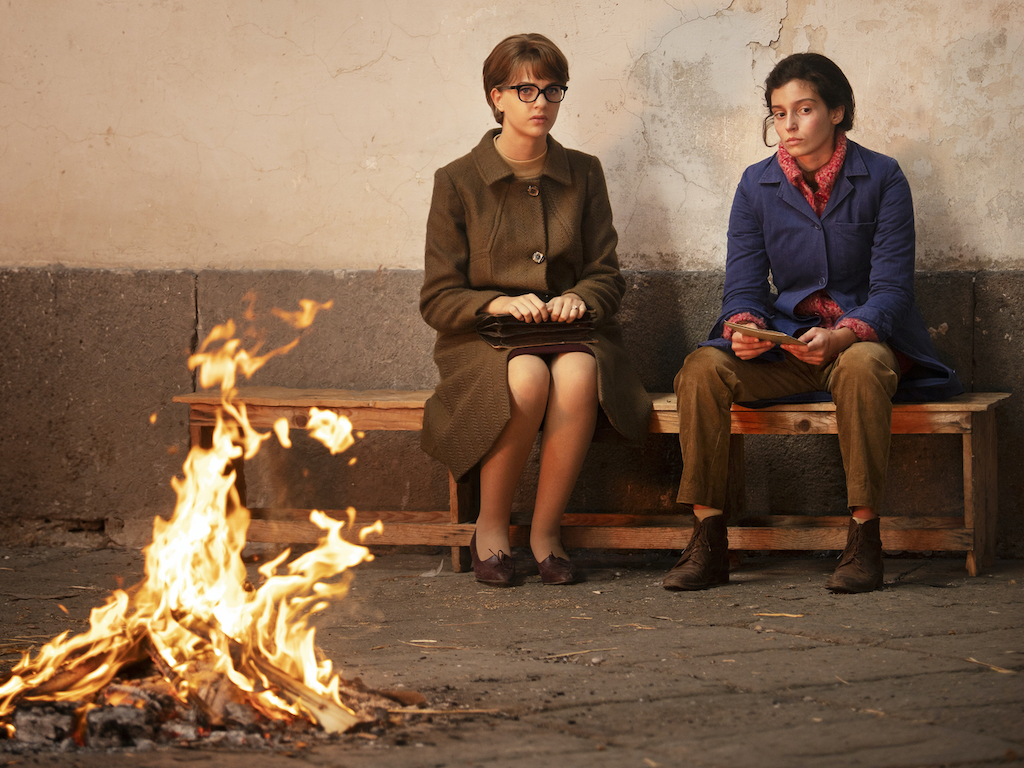
At the beginning of the episode, Elena has been avoiding Lila for a few weeks c/o the verbal smackdown on the way home from Galiani's party. At Rino and Pinuccia's wedding, they sit at tables on opposite sides of the room, not speaking to each other but connected via Elena's ever watchful gaze. Per usual, what brings them back together is a perceived shift in power dynamics. When Lenù learns that Lila hasn't gotten pregnant not because of "some mysterious power," but because of doctor diagnosed fragility, this apparent inadequacy softens her anger. What further eradicates it is the realization that, if she plays her cards right, she can accompany Lila on a strength-building vacation that places her conveniently close to Nino.
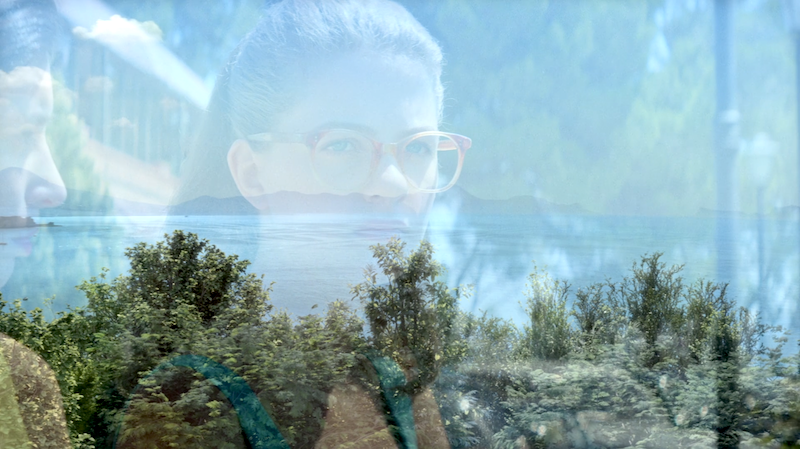
Before Elena pushes for Ischia instead of Stefano's preferred locale of Torre Annunziata, there's a fantastic sequence where her face fades into a pan of the blue sea as the title score plays. I can't find the exact filming location for this scene, but I think she and Lila are looking out at the Bay of Naples from Posillipo, so I'm assuming that's Ischia in the distance/superimposed with her face. It's a brief moment of dreamy longing before the reality of the agreement with Lila sets in, which happens in the next scene as Lenù, the hired help, schleps a giant umbrella and bag down to the beach while everyone else is empty-handed.
This first scene on Ischia involves Lenù dragging the girls to Maronti beach in hopes of seeing Nino. Unfortunately, the person who enthusiastically greets her from a distance is her abuser, Donato (Emanuele Valenti). What's worse is that Lila and Pina are easily charmed by him, to the point where they spend the entire end-of-day boat ride home singing his praises. Initially, Nino is absent, so Lenù sits next to Lidia (Fabrizia Sacchi), Donato's wife, who grows increasingly distracted by her husband's flirty banter with the girls, harkening back to Elena's first summer on Ischia.
When Nino emerges from the ocean and spots Elena, he can't even fake enthusiasm. His greeting is something like, "Who the fuck invited you?" and although he looks thoroughly irritated until he leaves, a slip of paper with his address provides enough hope for Elena to handwave the rough interaction. If we're giving Nino the benefit of the doubt, his rudeness likely has nothing to do with Elena and is instead triggered by seeing someone he'd like to sleep with yukking it up with his father, whom he loathes. Still, he's at the age where he should be able to compartmentalize this negativity instead of allowing it to spill over onto an undeserving person. File this scene, along with many others, in your mental "Nino Sarratore is trash" folder.
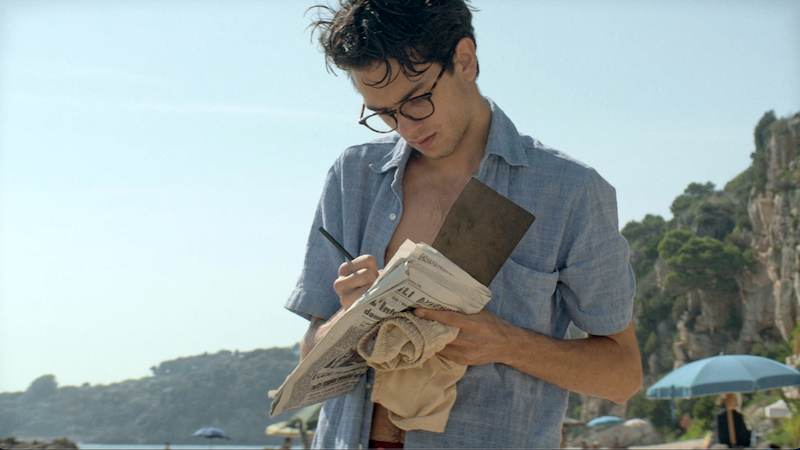
What's worse is that Lila, hip to what's happening on the beach, now has evidence that this trip was precipitated by an unrequited crush. Per usual, Elena denies it until, pushed by comments about how much Nino sucks compared to his (predator) father, she reveals the note with his address, expressing her intention to visit him when the husbands are in town. Lila checks Elena's self-satisfaction with a reminder that she's there to work, not have fun, but Elena, overjoyed by her secret scheme coming to fruition, is unfazed.
It's easy to write off Lila's cruelty as jealousy or retaliation for Elena's lie by omission, but it probably stems just as much from her residual humiliation at Galiani's party. When Elena and Nino are together, they get into highbrow intellectual wank-offs that she's ill-equipped to participate in without their same bullshit artist education (e.g., Elena's ability to act like she's intimately acquainted with Chabod after reading a few sentences). There's also a good chance she simply doesn't like who Elena becomes around Nino, this person so hungry for approval that she'll agree with anything, her own beliefs be damned. Based on everything we know about Lila and her own insecurities, what eventually transpires between her and Nino comes just as much from a desire to prove her worth to Elena as it does from a "steal your man" one-up mentality. I don't think she's a malicious person who takes pleasure in her friend's pain, but she is driven by her own similar sense of unworthiness.
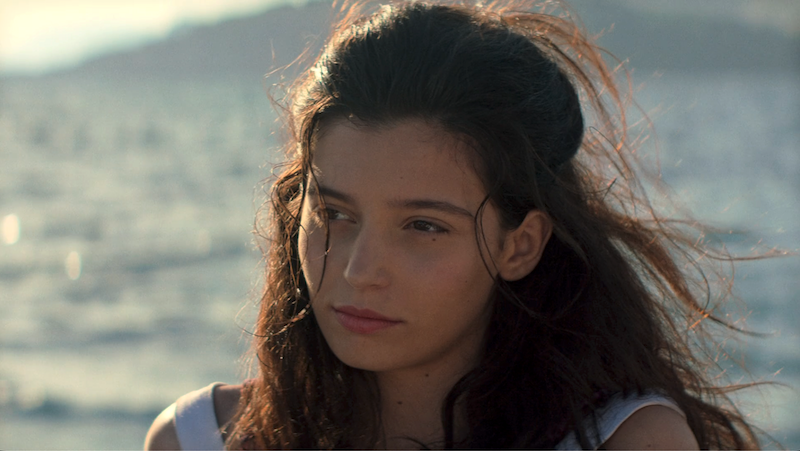
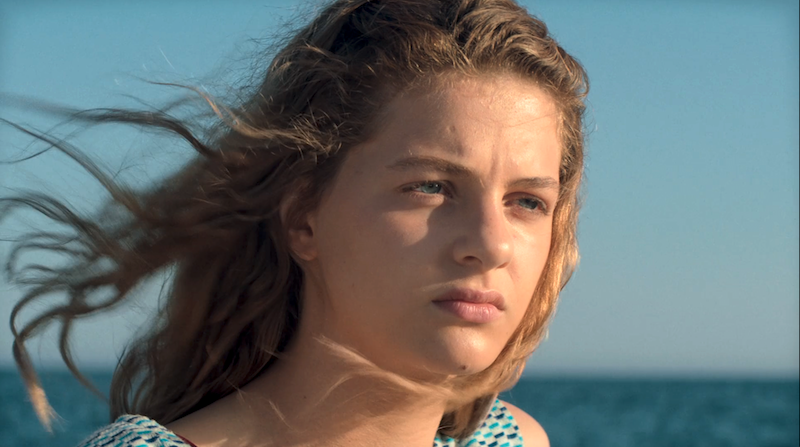
Pina is there, too, but no one cares what she says or does.
The subsequent beach scenes demonstrate how Lila deals with these feelings of inferiority. In the first one, she stays mostly silent while Nino monologues about regional businesspeople who evade their taxes. When she cuts in with a comment about Comrade Pasquale (Eduardo Scarpetta), who works as a bricklayer, knows the money he accepts is dirty and does it anyway because he has no choice, Nino has no idea she's poking holes in his lofty generalizations. He's the progressive visionary who believes he can step in and fix everything with his intellectualizing despite a lack of real world experience. Lila is the uneducated townie who can't explain herself well, yet has seen enough to know that things are much more complex than Nino makes them sound. When she leaves, after commenting that their highfalutin discussion has taught her nothing, Nino makes his condescending, "Lila's really lost. What a pity," remark to Elena.
Lila has critical thinking skills without the book smarts to back them up, so she starts reading again. Back at the house, Elena gives her a volume of Beckett's plays that had been previously used to kill mosquitos. She assumes Nino has no interest in theater and thus, that this book has no real value. Lila, who shows up to the beach wearing lipstick, hair pulled into a twist, knows otherwise. He might have written off theater before, but she makes him care about it via her analysis of Dan Rooney, a character in "All That Fall" (1957). Nino, egotistically and correctly, pegs Lila's renewed interest in reading as interest in him and, while Elena definitely senses what's happening, she can't bring herself to truly acknowledge it.
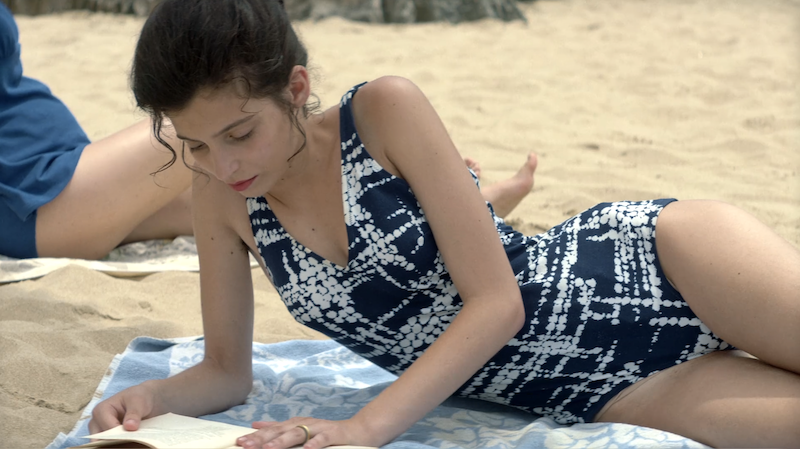
On the day that Lila and Nino swim off together, there's a lovely friend group montage punctuated by undeniable sexual tension that reminds us nothing gold can stay. When Nino lightly touches Lila's face and neck during some unexplained game, his hands, eyes, and the camera linger longer than with anyone else. As Lila talks about what she and Stefano do when he visits, Nino sits up facing the camera, frowning. After making plans with Elena, Lila and Nino exchange a meaningful look behind her back. Even before they abandon her the water, the visual language links them, foreshadowing their union. It's fitting that when they disappear, we see them from Elena's blurry POV, camera bobbing at the water's surface, matching her eye line.
Elena only leaves because Pina, who is now embroiled in a full-blown emotional affair with Bruno, has stormed off in a huff and needs to be talked off a ledge before Rino arrives. Over the course of this vacation, Lila's relationship with Stefano has been shockingly stable. Book Lenù notes that while she isn't exactly tender with him, "some equilibrium, who knows how precarious, had been reached." Lila at least plays the game of dutiful wife: fucking him as requested, ooh-ing and aah-ing over his tacky presents, not visibly retching when he does something odious. Pina and Rino, who started out in a better place pre-vacation, nosedive after time apart. By the end of the episode, she's begging to leave, he's smashing plates, and it's blatantly obvious why some wealthy dude paying legitimate attention to her might lead her to question her choices.
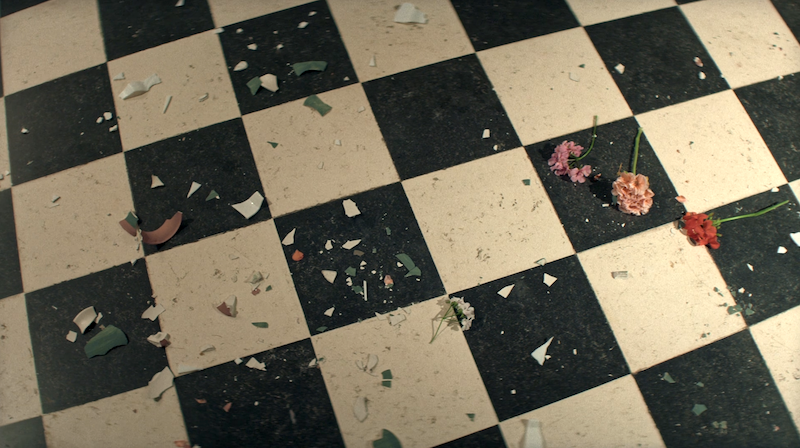
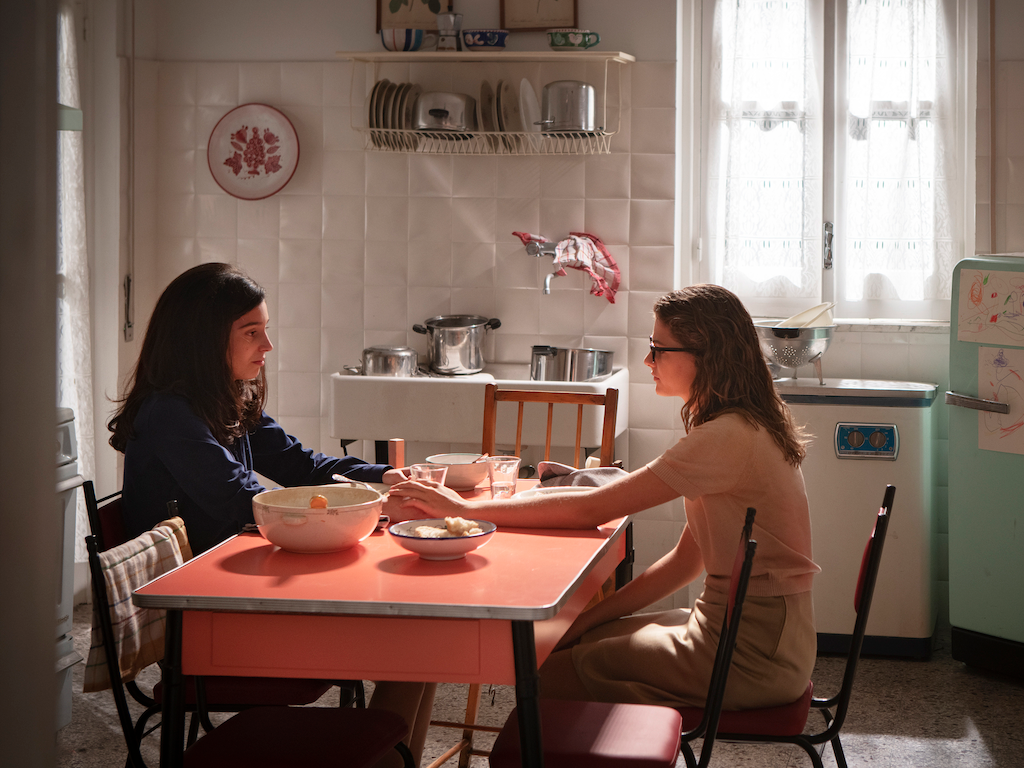
When Lila arrives home from the swim with Nino, she looks similarly on the verge of panic, but the husbands' arrival is imminent, so there's no time for discussion. Later that night, she appears in Elena's room wearing a white nightgown, hair pulled back loosely, and confesses that not only did Nino kiss her, he said he's loved her since they were children. In typical Lenù fashion, she deflects, feigns indifference, and then spends the night crying herself to sleep. She had been excited about plans with Nino the following day, which are now ruined by this revelation.
It's unclear how Lila interprets this interaction, but it's notable that she looks angry when, after warning how dangerous Nino is, Lenù retorts, "What's wrong? Are you afraid he'll kiss me, too? There'd be nothing wrong with that. I'm not married." Lila may have gotten the thing that Elena wants, but she'll never get what Elena has: independence, opportunity, a personality that makes people want to help her. Elena already has everything that's most important and in the grand scheme, this summer/infatuation should be nothing more than a blip. If you're already familiar with the series, you know that sadly, our hated Neapolitan fuckboy is here for the long haul.
Random observations:
- This episode is directed by Alice Rohrwacher, sister of Alba Rohrwacher AKA VO Lenù throughout and corporeal Lenù in S4. The pre-kiss confession sequence where it's raining in Lila's room feels straight out of Rohrwacher's excellent film, "La chimera" (2023). There's also one insane mirror shot when Lila enters Elena's room at the end that I still can't quite figure out. I wish she directed more episodes, but it's just this one and the following, E5 "The Betrayal."
- If you like 1960s Italian beach vibes, I recommend spending time in the fictional Ischia town of Mongibello with "The Talented Mr. Ripley" (Minghella, 1999), "Ripley" (Zaillian, 2024), and "Purple Noon" (Clément, 1961). Antonioni's "trilogy of alienation" also feels appropriate, along with Godard's "Le Mépris" (1963) set on Capri.
- Beckett always makes me think of Richard Gilmore telling Emily, "It takes a second to emerge from Samuel Beckett. He's a strange man," while reading "Molloy" (1951).
- Can we get a little commotion for Bruno's belted swim briefs?
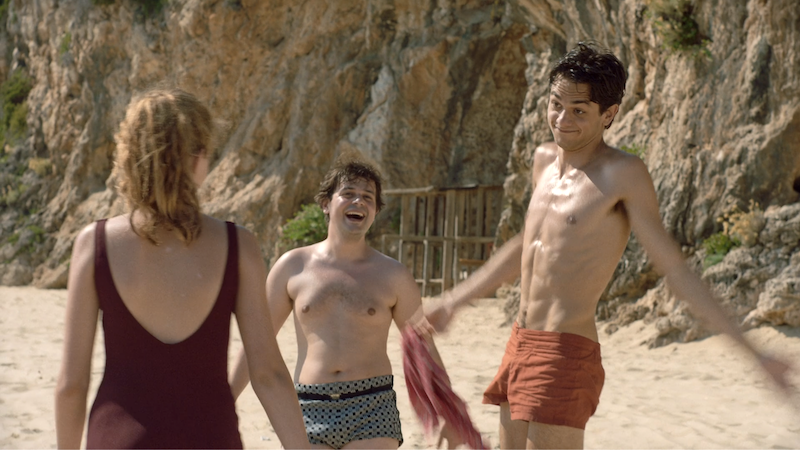
- Last summer, the Sarratores went to Castelvolturno after quarreling with Nella, but they're back in Barano now, so what gives? In the book, Nella says Donato is more demanding "ever since he became more the journalist than the railroad worker." She should have trusted her gut and given the entire family a lifetime ban.
- The dirty little kids on the other side of the vacation rental's gate felt a little heavy-handed to me. Not long ago, Lila and Lenù were those kids... we get it!
- Other featured books include: Robert Jungk's "Hiroshima, il giorno dopo" (1960), Chabod's "The Idea of Nation" (1961), and Miguel de Unamuno's "Tragic Sense of Life" (1913). The Jungk didn't get an English translation, titled "Children of the Ashes," until 1985.
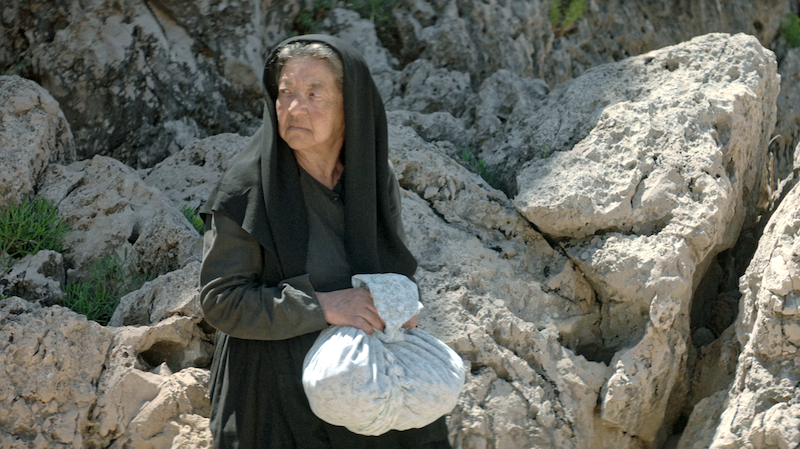
- I found this sequence, set to "Perfidia" by Hong Kong English pop group The Corsairs, thrilling. In my headcanon, this nonna has just been diagnosed with an incurable disease and is heading into the water to die:
- Other good songs this episode include Rita Pavone's "Che M'importa Del Mondo" and Ray Conniff's "Bésame Mucho."
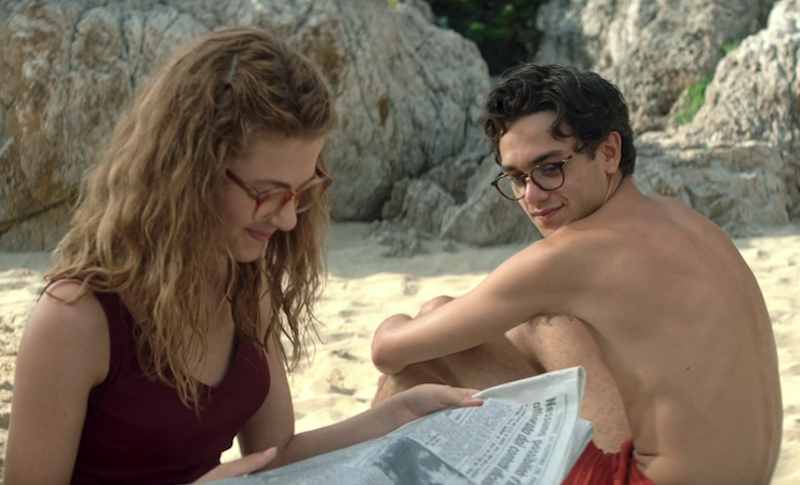
- My favorite part of the episode is when Nino hands Elena the newspaper, saying, "If you're interested, there's a good article about neocolonialism in Africa." Give me a break! No one believes you actually care about Africa (or women or geopolitics or anything outside of your own navel-gazing).
- Everything Nunzia says makes me sad for her.

Member comments