
Depending on how things shake out, this could be the last FND of 2025. In 2026, I might adjust the cadence to every other week so I have more time to work on other projects. I want to finish writing about "My Brilliant Friend," which I stopped after S1 because interest was low. It's not that I care so much about blog traffic or email lists, but it occasionally feels like there's no point writing on the internet without readers. On the other hand, letting data dictate content is how we got to the current clickbait internet, designed to stoke rage and eradicate nuance, so maybe I should just stop checking Ahrefs.
This has been a strange year full of unfathomable cruelties that I don't think we'll be able to truly process for a long time. The Drift recently sent a newsletter entitled, "The Year in Thirty Insults," and it's wild how many of these I had completely forgotten about, like Trump calling Bruce Springsteen a "dried-out prune." I know it's been said a million times, but our lives would be so much better if Cheeto had stayed out of politics and embraced his rightful position as Trash King of Reality TV. In some alternate, fantasy timeline, E! kept him in his lane by letting him revive "Fashion Police." People were initially mad to see such a disgusting little bitch step into Joan Rivers's shoes, but reluctantly hat-tipped his talent for creative, viral denigration.
Trump has done and said countless horrific things, so I'm not sure why his comments on Rob and Michele Reiner's deaths surprise me in the slightest. I guess it's the way he manages to seamlessly center himself in the midst of tragic, untimely death. It takes a lethal combination of personality disorder, dementia, raging neurosyphilis, and systemic lead poisoning for someone to be so delusionally cruel. If there's any justice in this world, his raggedy ass won't make it through 2026. His death won't heal the nation, but it will force the Republicans to sift through their stack of bland couch fuckers for a venomous new idiot to pupeteer, and that's a shit show I look forward to watching.
I hope everyone makes it through the holidays unscathed. If you're wallowing in a black hole of unshakeable depression, know that I'm right there with you and it won't last forever. Hug an animal, go to sleep at 7pm, and I'll catch you in the new year. Thanks, as always, for reading.
Watching my friends, Kseniya and Matt, navigate Tubi last weekend was eye opening. I haven't used it since I started sailing the high seas a few years ago, which I'm now convinced was a grave error. Scrolling through Tubi is equal parts drug hallucination and objectionable fan fiction; nothing on the platform sounds real. To give you a taste of what I'm talking about, here are two movie descriptions. Try to guess which one is real:
- "Goodbye Lover" (1998), starring Patricia Arquette, Dermot Mulroney, Ellen DeGeneres, Don Johnson, and Mary-Louise Parker, with Vincent Gallo in a small hitman-for-hire role. Directed by Roland Joffé, Academy Award nominee and winner of the Palme d'Or for "The Mission" (1986). In the opening scene, Sandra (Arquette), sporting a bad platinum bob wig, makes a horny phone call to someone named Ben (Johnson), who she later fucks on top of a church organ during choir practice. The film also features Sergeant Rita Pompano (DeGeneres in another bad wig) eating a corn dog in a mall food court, an elaborate insurance money scheme that makes zero sense, and an obsession with "The Sound of Music." The film ends with Sandra and Rita in a queer relationship (?) in a potential nod to Bound (1996). Someone on Letterboxd says, "If nothing else, Goodbye Lover is an important PSA to remind us all not to use handcuffs with keys, in case of misplacement."
- "Under His Spell" (1992), starring David Duchovny, Jennifer Jason Leigh, Mandy Patinkin, and Susan Sarandon, with an uncredited voice cameo from Steve Buscemi. Directed by multi-hyphenate Dennis Hopper, Academy Award nominee for "Easy Rider" (1969) and "Hoosiers" (1986). Kate (Sarandon) is an elementary school art teacher who has developed an addiction to opiates in the wake of her husband's (Patinkin) death. When she falls and cracks her head open in the school parking lot, Jonathan (Duchovny), the dad of one of her students, drives her to the hospital, unwittingly involving himself in a web of financial crimes and murders. Highlights include: animated sequences that depict Kate's descent into addiction and a flashback sequence where Patinkin sings with a paddleboarding mariachi band. Letterboxd calls it "a coke-fueled find from the bottom of Walmart's $5 DVD bin."
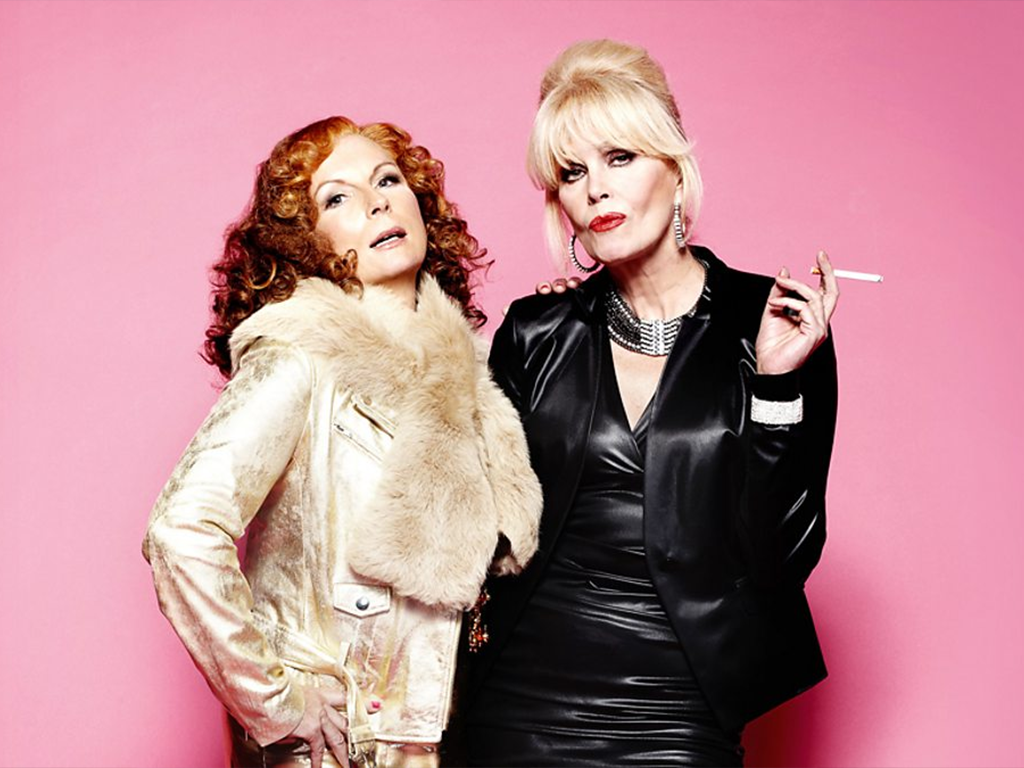
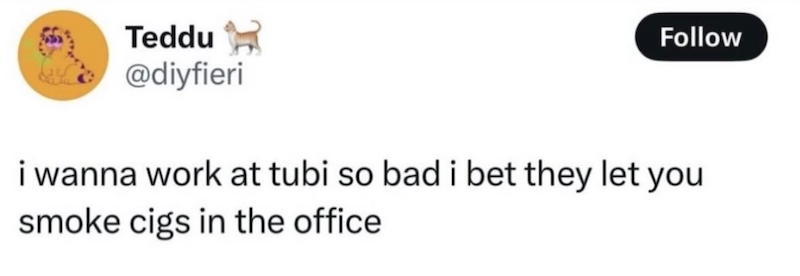
Oh, and why did I use a cigarette emoji for this section? Because of this iconic Tweet:
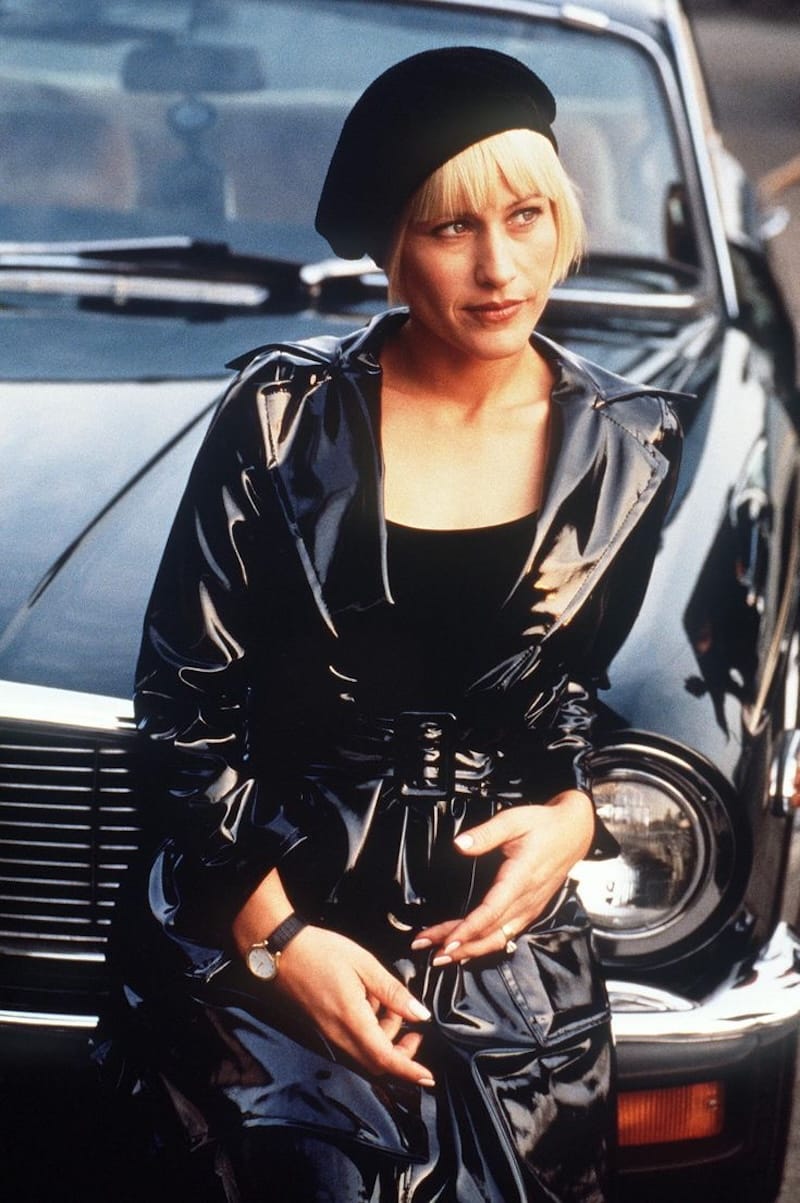
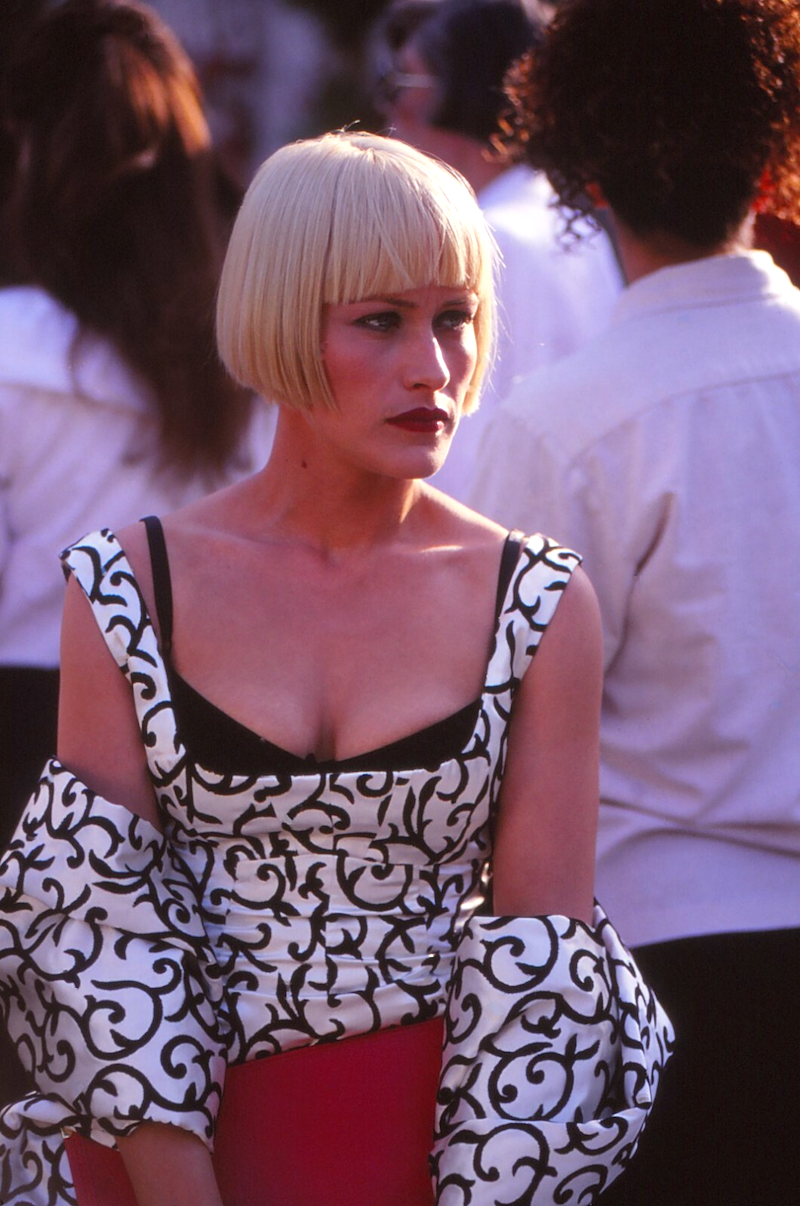
The first movie is real and the costuming, done by Theadora Van Runkle (!!), is incredible.
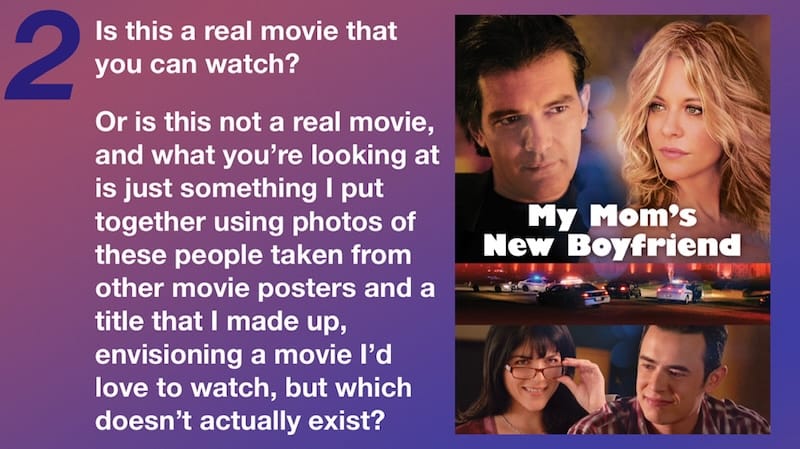
If you're ever in Park Slope, drop in on Nitehawk Cinema's trivia night every other Tuesday, where you might occasionally find Matt guest hosting with gems like this:
Another thing Kseniya and Matt surprised me with is the existence of a third "Grinch" movie from 2018 that I completely missed. I grew up with the animated TV special, "How the Grinch Stole Christmas!" (1966), which clocks in at a swift 26 minutes. Even though the OG has brevity and nostalgia on its side, Ron Howard's version from 2000 is my favorite, mainly for Martha May Whovier's (Christine Baranski) wardrobe and Jim Carrey's performance. This is the scene I think of any time I decline plans for nebulous reasons:
The film overstays its welcome at 1 hour and 45 minutes with a plot that drags, yet I really don't give a fuck. I appreciate the practical sets and effects, the dark lighting/color grading, and dutch angles. I can even overlook some of the dated CGI because at least the film isn't consumed by it. For example, Martha May's Christmas light gun was a real prop, designed to pull lights down. By playing the sequence backwards, the gun appears to defy physics by perfectly shooting the lights onto her house's trim. I'm sure some CGI is still used in the scene (I'm no expert at spotting it), but the core effect is practical.
This 2000 remake is polarizing, with plenty of people singing its praises and others calling it "extremely not good." After watching the 2018 version, abbreviated to "The Grinch," I expected a similarly divided audience and was shocked to find an overwhelming mountain of hatred. In his review for Rolling Stone, Peter Travers asks several worthwhile questions — such as which demented person cast Cumberbatch as the Grinch and then made him use an American accent — ultimately concluding the film "offers a solid service to anyone with kids in need of a nap under a blanket of bland." I agree that the film, much like Howard's version, is overly long, but the animation is adorable. It's impossible to watch this scene without delighting in the Grinch's full body brush and the rack of pants that perfectly match his fuzzy little tennis ball body. Max has a goddamn Rube Goldberg machine to make Grinch's morning latte. His lair is impeccably designed, from the wrought iron bed frame to the drippy table lamp. And yes, that is original music from Tyler, the Creator.
Tl;dr: all "Grinch" adaptations have a place in my heart/long live the Grinch.
The Point recently published a fantastic literary gift guide that goes beyond the standard list you'll find in larger publications. I like their format, so I'm going to blatantly copy it with a few of my own suggestions for any fellow procrastinators. I must also shout-out my favorite Hudson Valley bookstores — Golden Hour in Newburgh, Split Rock Books in Cold Spring, and Stanza in Beacon — for anyone local.
- For the English major already screaming about Emerald Fennell's "Wuthering Heights" adaptation: Maggie O'Farrell's "Hamnet" (2020) and Peter Ackroyd's "Shakespeare" biography. Then, recommend they go see "Chloe Zhao's" adaptation of "Hamnet," which will surely give them a rage stroke, hopefully killing them before the Fennell premiere. They won't be alive to thank you, but they will be grateful.
- For your slightly goth teen niece: V.C. Andrews's "Flowers in the Attic" (1979). Gifting this book is the perfect way for childfree people to pass down their generational trauma. If I had to lie awake thinking about sibling incest at age twelve, so do you. Enjoy!
- For your adult friend who grew up reading shit like "Flowers in the Attic": Barbara Comyns's "Who Was Changed and Who Was Dead" (1954): I see your child sexual abuse and raise you mass hysteria, profiteering, and more dysfunctional family dynamics.
- For the coworker who uses public transit and loves small talk with weirdos: Chris Krause's "I Love Dick" (1997). I made the mistake of reading this on the subway as a graduate student. Never again.
- For your husband who likes crotchety old man books: Gerald Basil Edwards's "The Book of Ebenezer Le Page" (1981). Imagine a guy who never left his hometown. Normally, you'd think "sad" and assume he's had a pretty sheltered existence, but not if that person is a Guernseyman iconoclast with a legitimate growth arc.
This was a mix of serious and facetious ideas that I trust you're smart enough to parse.

I learned about this book through Moonbow, "a bimonthly arts and culture publication about children’s literature for adults." Taylor Sterling, the writer behind it, often posts good things on Instagram, so follow her there, too. I basically knew I was going to love this book as soon as I saw the cover, featuring a woman in front of a vanity with a black sweater pulled halfway over her head. A cased violin leans against the chair and one of the drawers is askew with some unidentifiable scraps of fabric sticking out.
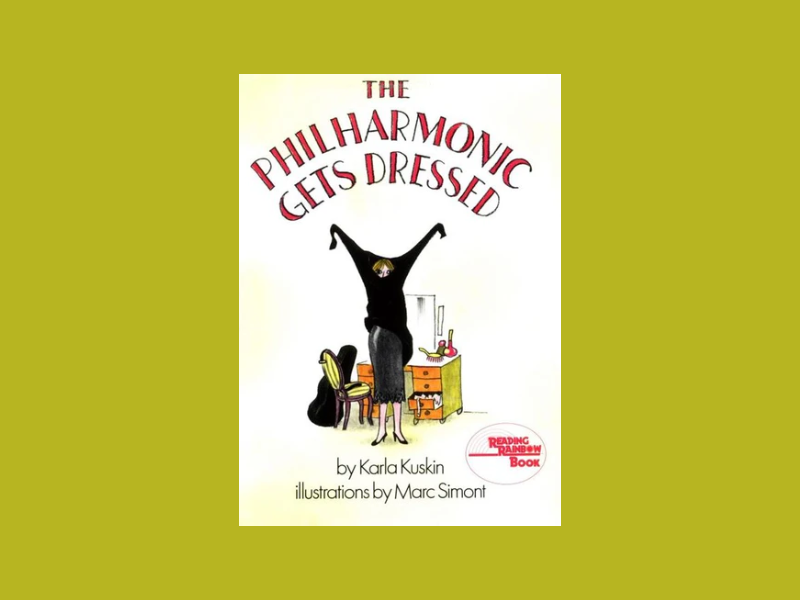
The book collectively follows all 105 members of the orchestra on a cold night as they get ready for a performance. Kuskin clocks the gender breakdown as 92 men and 13 women. It may have taken forty fucking years, but this balance eventually shifted in 2022 with 45 women and 44 men in the New York Philharmonic. Progress!
From the jump, we're in these people's bathrooms, watching them bathe, groom, relax, and suit up for work. The words are precise, telling us exactly what they're doing and how many are doing it, while the photos are whimsical and slightly revealing. There's no nudity, just a sense that we're witnessing something intimate, a behind-the-scenes peek that no standard orchestra attendee is privy to. I can't possibly choose a favorite from this string of illustrations, so here are a few:
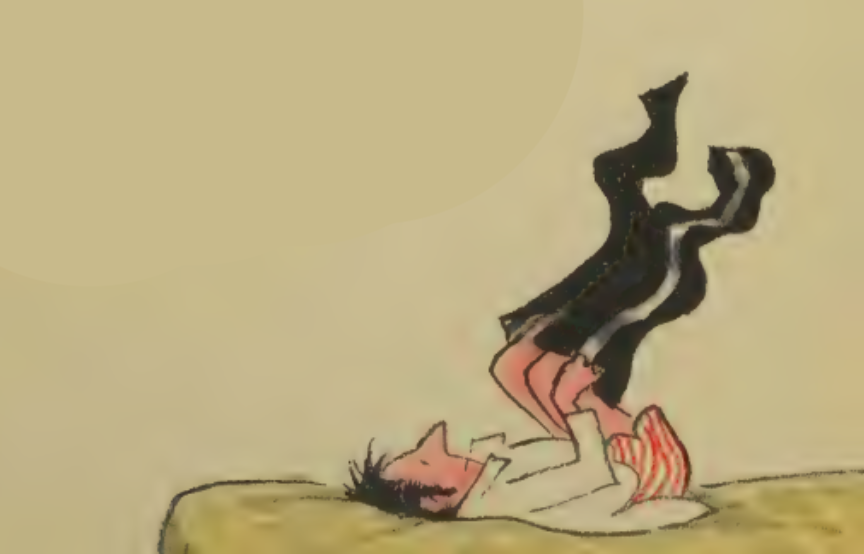
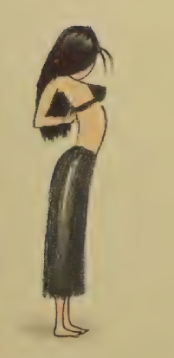

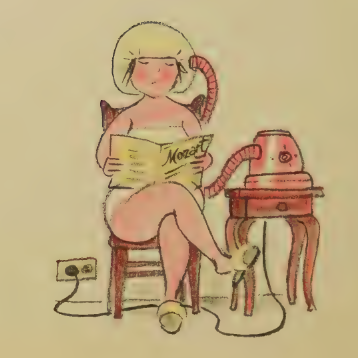
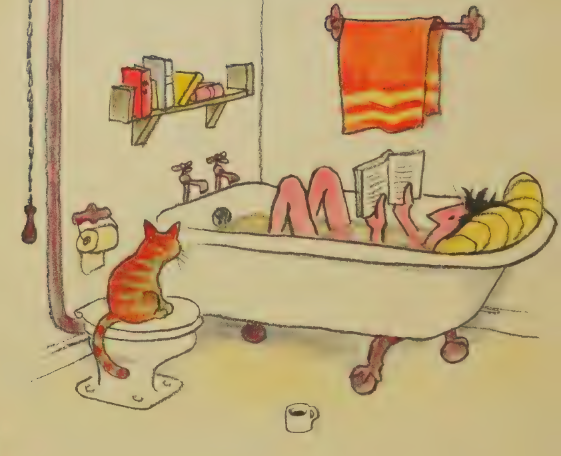
If I read this section as a child, I think I would have blacked out. There's something so beautifully evocative and cool about it that makes you want to be one of these women, dressed all in black, with important jobs that can't tolerate bracelets:
Eight women dress in long black skirts. They wear black tops, sweaters, or blouses. Four women put on long black dresses. And one wears a black jumper over a black shirt. A few of the women put jewelry on, a necklace, earrings, but no bracelets. Bracelets would get in the way when they're working.
Sterling notes the repetition of 'b' sounds. I immediately picture the scene in "Kiki's Delivery Service" where she looks in the mirror and says, "Black cat. Black clothes." As a kid, there was always something magical about getting ready and transforming into a person ready to face the world. This book captures that essence, culminating in a performance where everyone comes together under six silently sparkling chandeliers, to create something beautiful. Where the hell was I during this episode of "Reading Rainbow"? (Not yet born, it was August 1988.)
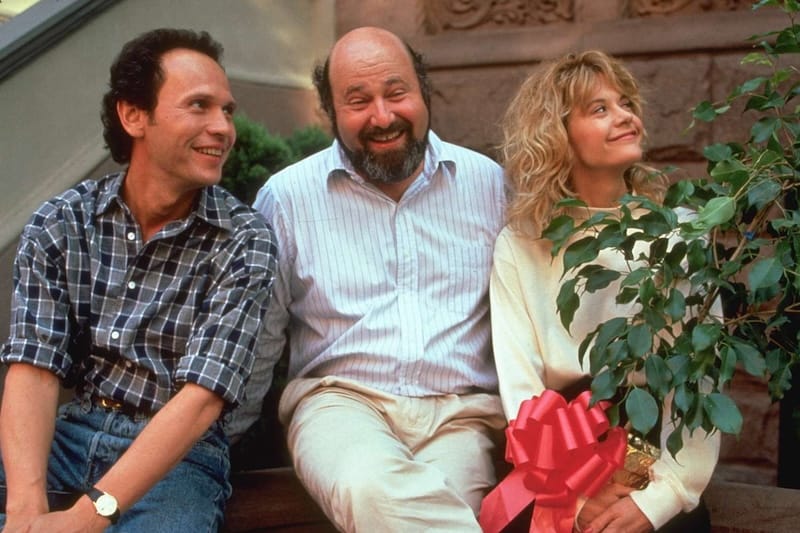
I don't have it in me to write anything about Rob Reiner. His death is way too sad and my brain can't linger there for longer than necessary. He directed and acted in some of my all-time favorite movies that yes, I've made fun of and reevaluated over the years, but will never stop loving. "When Harry Met Sally" is one of those movies. Who hasn't dreamed of watching "Casablanca" with a crush from separate apartments while chatting on the phone? I always felt that the script, by Nora Ephron, should have stuck with the original ending where Harry and Sally went their separate ways. And while my opinion remains steadfast, it broke my heart to learn that Reiner changed it after falling in love with Michele Singer, DP Barry Sonnenfeld's friend, on set. In the wake of the Reiners' deaths and their 36-year marriage, that knowledge hits hard. While I still find Harry disgusting, real life has infiltrated the film in a way that will forever make me think about it differently.
Here's a snippet of what I said in 2018:
Few movies make me more nostalgic for New York than "When Harry Met Sally." As we move through the seasons, visiting Central Park in autumn and Coney Island in the spring, it's easy to imagine a young person watching for the first time and dreaming about life in the city. The reality is often magical, but it's 10,000 times better in the movies. Almost everything is 10,000 times better in the movies, which is why I spend so much of my time watching them. But do you know what ISN'T better? Dudes and their bullshit.
In real life, men regularly disappoint me. I've met enough of them to realize that blatant entitlement and fragile egos are par for the course. In romantic comedies, I stupidly expect better. In a world where everything is basically perfect, men should be enlightened and respectful. If I wanted to spend 90 minutes with some cretin who doesn't know how to treat women, I would hang out with my grandfather. When I watch a romantic comedy, I want to escape reality. I don't want the dude I dated sophomore year to be the leading man; I want someone better, like feminist Ryan Gosling.
Unfortunately, most leading men in romantic comedies are the exact opposite. Instead of someone with emotional intelligence, we're stuck with Harry Burns (Billy Crystal) and Edward Lewis (Richard Gere). As a young woman, I saw these men and their behavior represented in reality and on big and small screens. The more I saw it, the more I thought it was okay. Thankfully, I grew up, read Laura Mulvey, and realized how I had been systematically poisoned for the first seventeen years of my life. Society tries to tell us that romantic comedies are "for women" and yet... none of the ideas they espouse are very appealing. More often than not, romantic comedies are depictions of what cis men want us to want and in an ideal world, what they want for themselves.
Read the full thing here and revisit some of Reiner's greatest hits during your holiday downtime. I rewatched "Misery" a few weeks ago and was even more charmed by Frances Sternhagen and Richard Farnsworth this time around. How those two characters never got a "Fargo" tv series-esque spinoff is beyond me.
I leave you with Rizzo, ready to confront any dicks who cut him off in traffic: