When I think of Easter, what immediately comes to mind is one of those creepy lamb cakes with dyed coconut grass that everyone's mom made, by law, in the '90s. How did this holiday kitsch begin? A quick internet search tells me several Central European countries — Germany, Poland, Austria, and the Czech Republic — all had some Christian tradition of baking these cakes before they rose in popularity in the United States around the mid-1940s c/o Nordicware's iconic mold. If a family was too poor to sacrifice a lamb in the spirit of Jesus, they could at least bake a sweet treat in its likeness.
As an adult with no children or ties to religion, I don't do shit like this. There is no lamb cake, no basket with translucent plastic grass, no church service about eternal life. What I do instead is watch movies. Specifically, "Easter Parade" (1948), an Amy Sherman-Palladino favorite where Fred Astaire and Judy Garland dance their way to an engagement during the titular celebration on MGM's lavish Fifth Avenue backlot stocked with 700+ extras. The film was originally supposed to star Gene Kelly opposite Garland, but a broken ankle brought Fred Astaire out of retirement, giving us delightful numbers like this one:
Similarly, Vincente Minnelli, Garland's then-husband, was supposed to direct, but her therapist advised against it since their rough time together on "The Pirate" (1948) led to her nervous breakdown and suicide attempt. One month after checking out of a psychiatric treatment facility, Garland began filming "Easter Parade." Showbiz, baby! Ain't it grand? Another cheery bit of BTS lore involves Ann Miller, a last-minute replacement for Cyd Charisse after she tore a ligament in her foot. Miller wasn't exactly in tip-top condition herself because in 1946, at nine months pregnant, her husband, Reese Milner, got drunk and threw her down the stairs. She broke her back, went into early labor, and lost the baby a few hours after birth. Instead of being punished for his crimes, her scumbag husband secretly buried the baby's body in an undisclosed location and lied to the press about the circumstances of her death. Thanks to this incident, Miller wore a back brace during her "Easter Parade" solo number, "Shakin' The Blues Away."
If, like me, you find yourself lamb-less, egg-less and in need of Easter Sunday entertainment, throw on "Easter Parade" (or a film from the unhinged Rankin/Bass trilogy), draw yourself a bath, and go down some Old Hollywood rabbit holes.
P.S. This is going out late and there are only three things because my psychotic cats have turned my brain to mush using the foolproof torture tactics of sleep deprivation and sensory overload. How do parents function without mainlining amphetamines?
On the first day of Daylight Savings, I drove to Saugerties and spent a solid hour perusing the stacks at Inquiring Minds. When I purchased a lightly used, $6 copy of "The Beginning of Spring," the cashier looked at me and said, "Timely." Penelope Fitzgerald's seventh novel takes place in 1913 Moscow, right around the Easter holiday. The ground is still covered in snow and ice, but a thaw (and the looming Bolshevik revolution) is already underway.
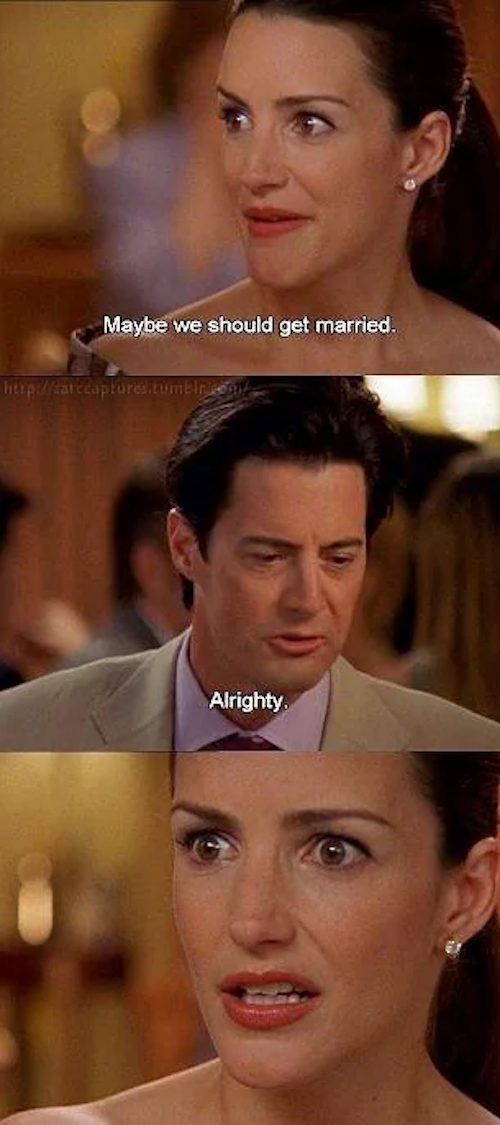
At the start of the novel, Frank Reid, a Russian-born Brit, learns that his wife Nellie has left him. He arrives home from his job running a printing press to find her and his three children gone, and a brief letter that reveals fuckall. Just as the weirdness of his new reality sinks in, he gets a call from the stationmaster informing him that his children are waiting to be picked up. Nellie became almost immediately overwhelmed with them and sent them back home, which is actually surprising because the children in this novel are basically clever, unfiltered adults who even I could handle. Every time I read a Fitzgerald book with children, I come away from it feeling like I could maybe enjoy parenthood if my kid popped out with her precocious wit. On the other hand, if I existed in a Fitzgerald novel, I'd probably have an emotionally stilted husband like Frank who essentially responds to my desertion with, "Alrighty."
The rest of the novel follows Frank as he deals with the fallout from his wife's absence. The plot moves forward — a new love interest is introduced and then taken away, an affair is revealed, gunshots are fired — but none of it matters. I don't think anyone reads Fitzgerald for the plot; her magic exists mostly in atmosphere and character creation. Not once did I question the authenticity of Fitzgerald's Russia, a seamless mix of political corruption and cozy, smoky tea houses full of characters straight out of Tolstoy or Chekhov. My only complaint is that sometimes she'll introduce someone so immediately interesting that it's devastating when they're only in a few scenes. Take, for instance, Frank's servant Toma:
'God is not without mercy,' said Toma vaguely. 'Toma, when you first came here three years ago, the year Annushka was born, you told me you were an unbeliever.' Toma's face relaxed into the creases of leathery goodwill which were a preparation for hours of aimless discussion. 'Not an unbeliever, sir, a free-thinker. Perhaps you've never thought about the difference. As a free-thinker I can believe what I like, when I like. I can commit you, in your sad situation, to the protection of God this evening, even though tomorrow morning I shan't believe he exists. As an unbeliever I should be obliged not to believe, and that's an unwarrantable restriction on my thoughts.
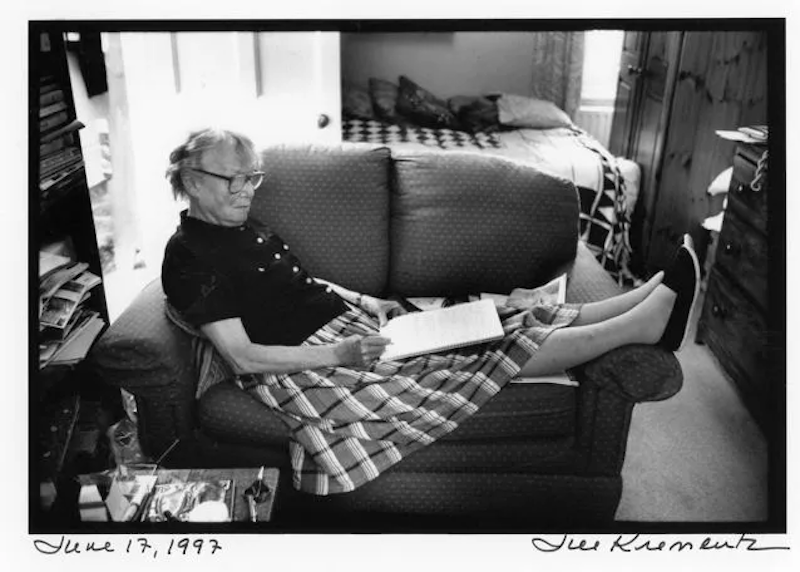
After I finish reading Fitzgerald's nine novels, I plan to move on to Hermione Lee's biography, "Penelope Fitzgerald: A Life" (2014). Fitzgerald didn't publish any fiction until she was in her sixties, which I find comforting, and I want to know more about her perpetually sinking houseboat.
Prepare yourself for a story because this isn't a straightforward recommendation. When I was in college, two of the professors in the English department were married (a la "Vladimir"). Kerry taught creative nonfiction and Chris taught poetry, so I wasn't exactly their target demographic but had interest in them from afar. When I was a senior, I took a poetry class with Chris during my final semester and ended up housesitting for him and Kerry over the summer when they were in Greece. When I arrived at their house, he was already gone and she was still there with their two young kids. The next day, I drove them all to the airport and we got caught in traffic. As I watched her silently freaking the fuck out about potentially missing their flight, biting her fingernails down to the quick, my spidey sense for women on the verge of a nervous breakdown tingled.
When I got back to the house, I googled her and found her blog, Momma May Be Mad, where she wrote with extreme candor about her cornucopia of mental illnesses (bipolar disorder, anorexia, alcoholism), disintegrating marriage, and desire to commit suicide. One of the strangest experiences of my life was voraciously reading this stranger's blog while staying alone in her giant old house, walking past the small first floor bathroom where she went to puke or the liquor cabinet in the dining room that remained locked to ward off abuse. Did she cut herself with the razor blades in the upstairs medicine cabinet? If these walls could talk, what would they say? This might sound tacky and insensitive, which it surely was, but my curiosity was more than just morbid fascination. As someone who struggles with depression, it was like looking into a crystal ball and seeing a path my life might take. Like recognizes like, and there was something about her that made me see myself.
I followed the blog for years, through her eventual divorce and early sobriety until she made it private (maybe when she began thinking about this memoir) and slipped away from my life. When it came out last October, I was afraid to read it because I knew it could never hold up to my memory of the raw, confessional blog of the same name, read at the impressionable age of 21. The memoir was written from a place of stability with an appreciation for a life after decades of struggle. This is not me making the old, "Wilco was better when Jeff Tweedy was addicted to pills" argument, simply acknowledging that I was primed for disappointment because of my weird, hazy nostalgia and preconceived ideas of who this person is/was/should be. Some passages drew me in, immediately reminding me of what I loved so much sixteen years ago:
Psychiatrists say: self-mutilation, self-injury, delicate self-cutting. I offer these terms in deescalating order—most frightening first, most benign last. Self-mutilation terrifies me. My kind of cutting was a minor sidebar to the more gruesome examples of tribal scarification, Chinese foot binding, and eye enucleation. Self-injury can be shortened to the diminutive “SI,” as if an affirmative Sí! SI is detached—the hand that cuts the arm is not mine, but a phantom hand. And delicate self-cutting? Ah yes, the genteel mutilator swoons from the bloodletting.
Other stylistic choices — like using the word "pushpin" to orient the reader in time, speaking specifically to the reader, giving etymology and grammar lessons — didn't work as well for me. I'm now the same age Kerry was during that summer I discovered her blog and I'm not the same person I once was. After struggling with my own mental illness throughout my adulthood, I'm less inclined to enjoy someone else's account of their own issues unless it's told through a humorous, self-deprecating lens. "Momma May Be Mad," as you might have guessed, isn't that kind of writing. You may still enjoy it, but I was unfairly looking for something a little less "Sylvia Plath if she had lived and gotten her shit together" and a little more Allie Brosh's "Depression Part II."
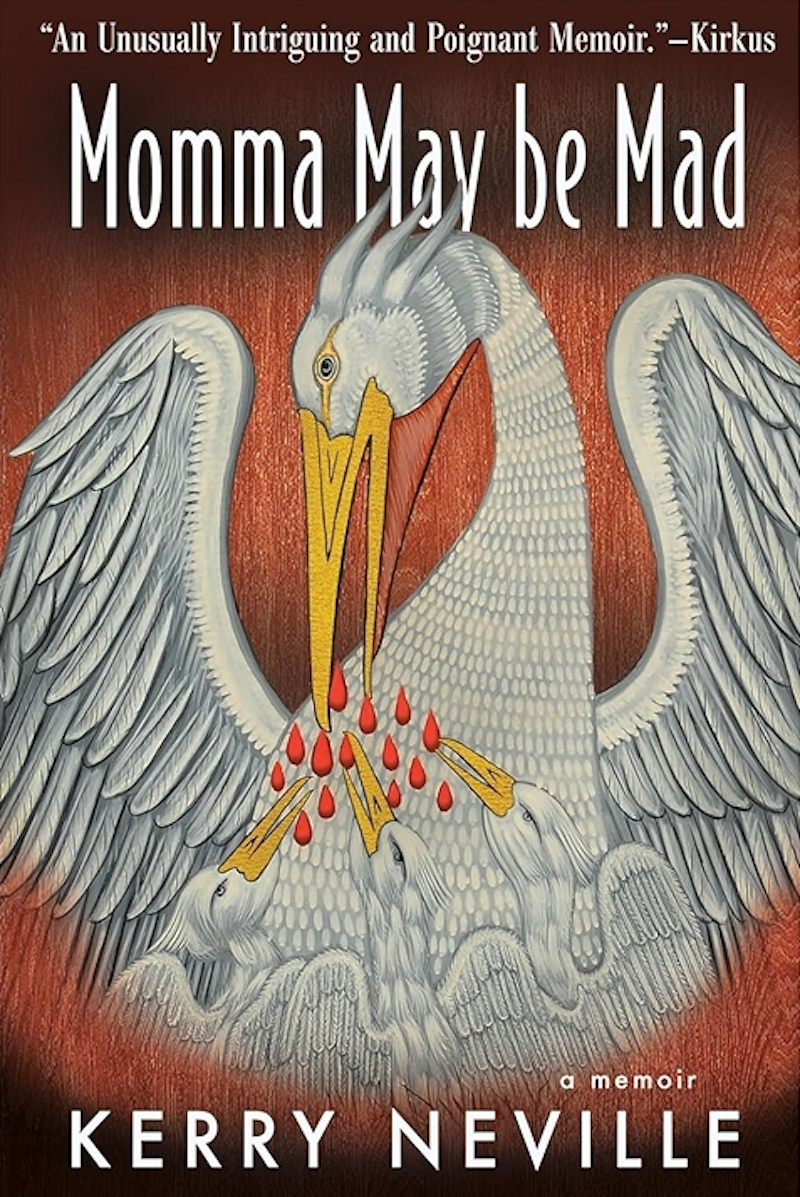
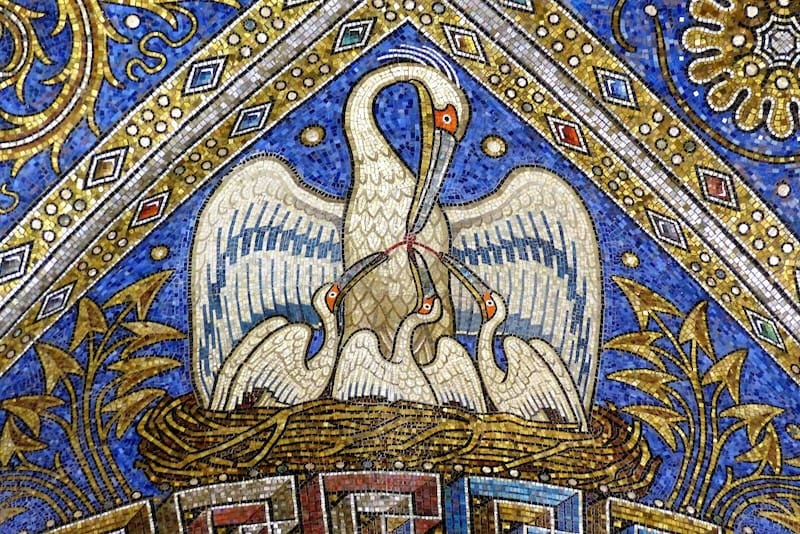
The book cover features a rendition of "the pelican in her piety," a Christian image of a pelican plucking her own breast in order to feed her babies. I have opinions on this that I will keep inside my head.
Read if you like: Elizabeth Gilbert, Melissa Broder, spending 268 pages wishing a writer would say meaner things about her ex-husband but also understanding why she can't/won't, spending hours researching the efficacy of electroconvulsive therapy.
I've been told Levan Akin's earlier feature, "And Then We Danced" (2019) is his standout, but I watched "Crossing" first and thoroughly enjoyed it. The film's protagonist, Lia (Mzia Arabuli) is a retired Georgian history teacher who embarks on a journey to find her estranged niece, a trans woman named Tekla. At the beginning of her search, she meets Tekla's former neighbor, Achi (Lucas Kankava), a charismatic young guy who has been living in cramped quarters with his aunt and uncle's family. Desperate for an escape from Tbilisi, he tells Lia that Tekla is in Istanbul and offers to accompany her there.
The rest of the film follows Lia and Achi through the city of cats as they stretch their limited budget across hostel stays and rice dinners, slowly forging an unlikely friendship during their shared quest. While in Catstanbul, the film also follows Evrim (Deniz Dumanli), a trans human rights lawyer in training, who flits around the edges of their story before their paths officially overlap. "Crossing" is one of those shaggy-dog road movies where the joy comes from character interactions, not plot development. When the film begins, Lia seems like a humorless bitch who is only looking for her niece because of a promise made to her dying sister. By the time it ends, we see that she has real empathy for Tekla and regrets the course of events that led to her exodus. She likewise grows to see and appreciate Achi, someone she initially dismissed as an annoying troublemaker but comes to understand as a tender-hearted person trying to make his own way in the world.
This film could have easily been a trite, annoying story about an old woman who comes to accept trans people after meeting a few and realizing that, gasp, they, too, lead rich, interesting lives. With worse performances, everything would have fallen apart: the nonexistent plot drags, the emotional beats feel forced, and it becomes a film about nothing in particular. Thanks to Arabuli, Kankava, Dumanli, and the various charming side characters, the world of Istanbul becomes one of warmth and community, even for outsiders. Akin, a queer filmmaker, involved many other queer and trans people in the film's production, which surely added to the film's intimate authenticity. Lisabi Fridell's cinematography especially stood out, bringing Istanbul to life as a city of simultaneous hardship and possibility.
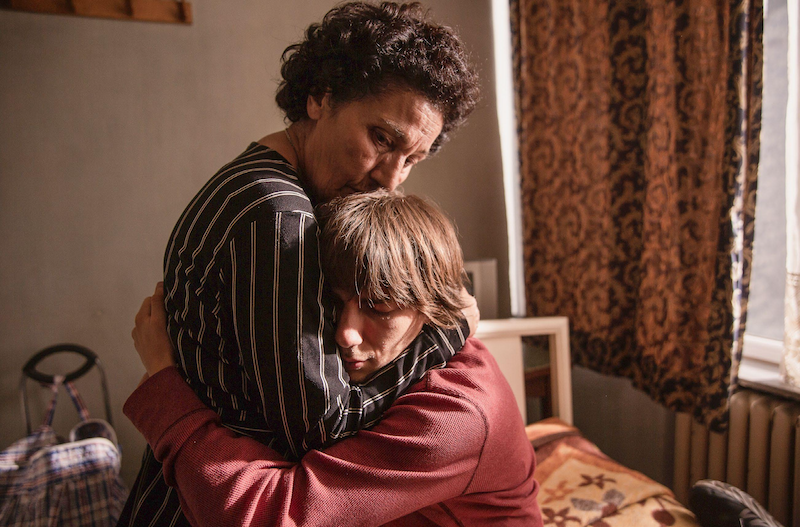
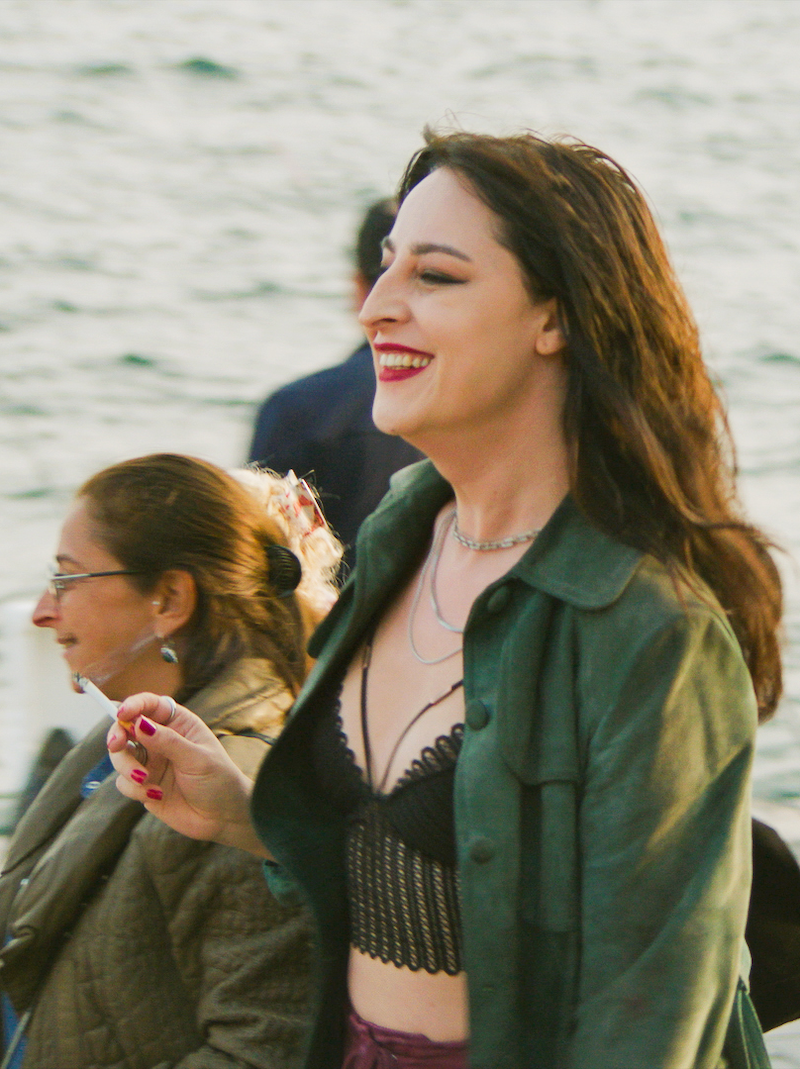
The scene that made me cry vs. Evrim looking hot while smoking a cig.
Watch if you like: "Perfect Days," Italian Neorealism, intergenerational friendship, countless cat cameos, being reminded that not all humans suck, realizing for the umpteenth that Americans are cold people and it's not shocking that other countries hate us even if you subtract the imperialism.
The header image is from Branko Ćopić (words) and Vilko Gliha Selan's (illustrations) children's story, "Ježeva kućica"/"Hedgehog's Home" (1949), which also exists as a 2017 cutie pie stop-motion short film with needle-felted puppets directed by Eva Cvijanović.
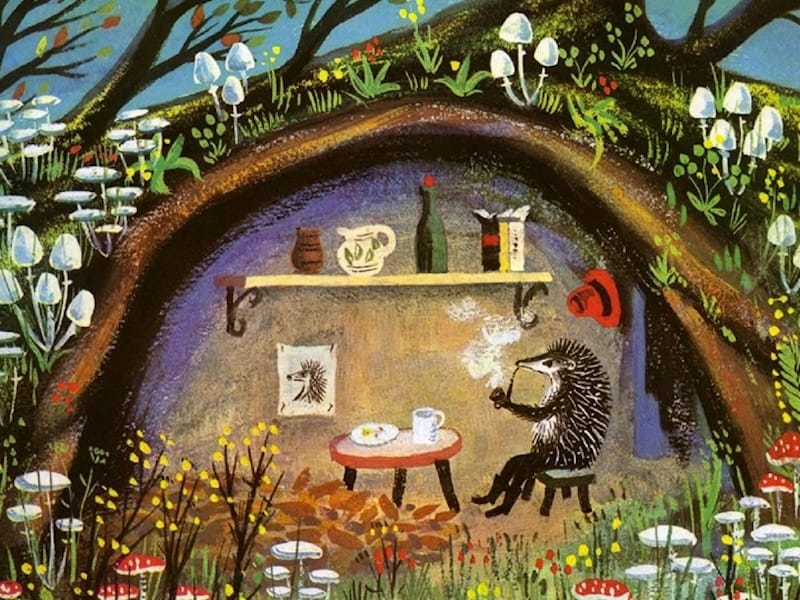
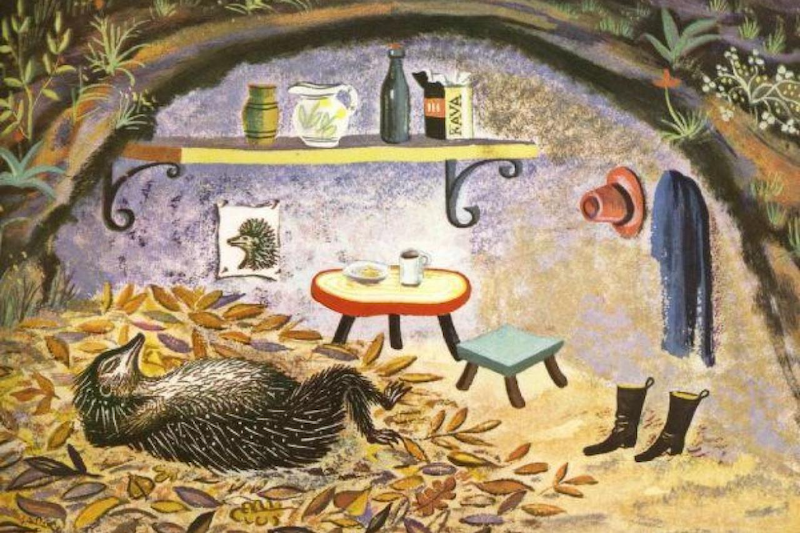
A introvert hedgehog after my own heart.