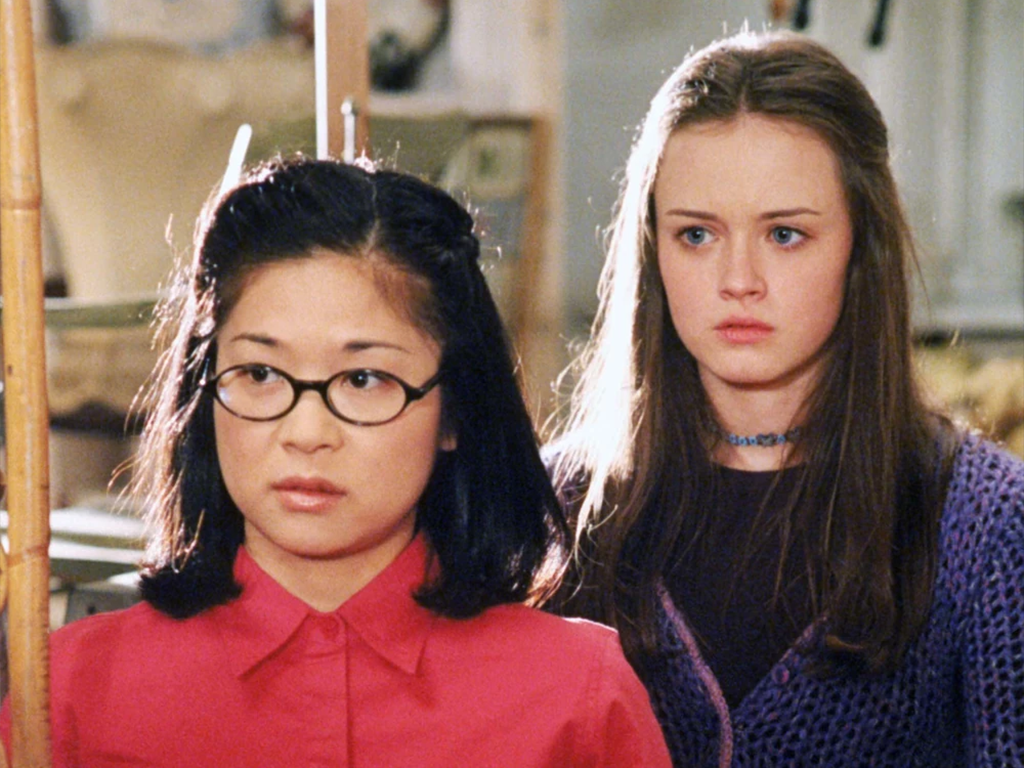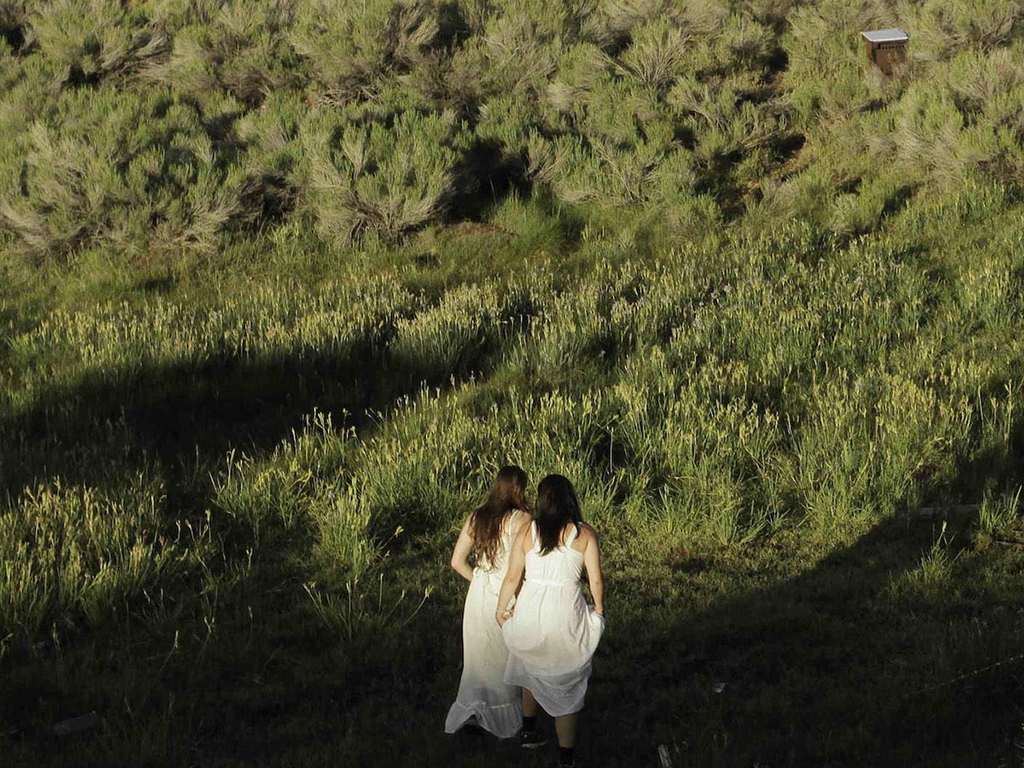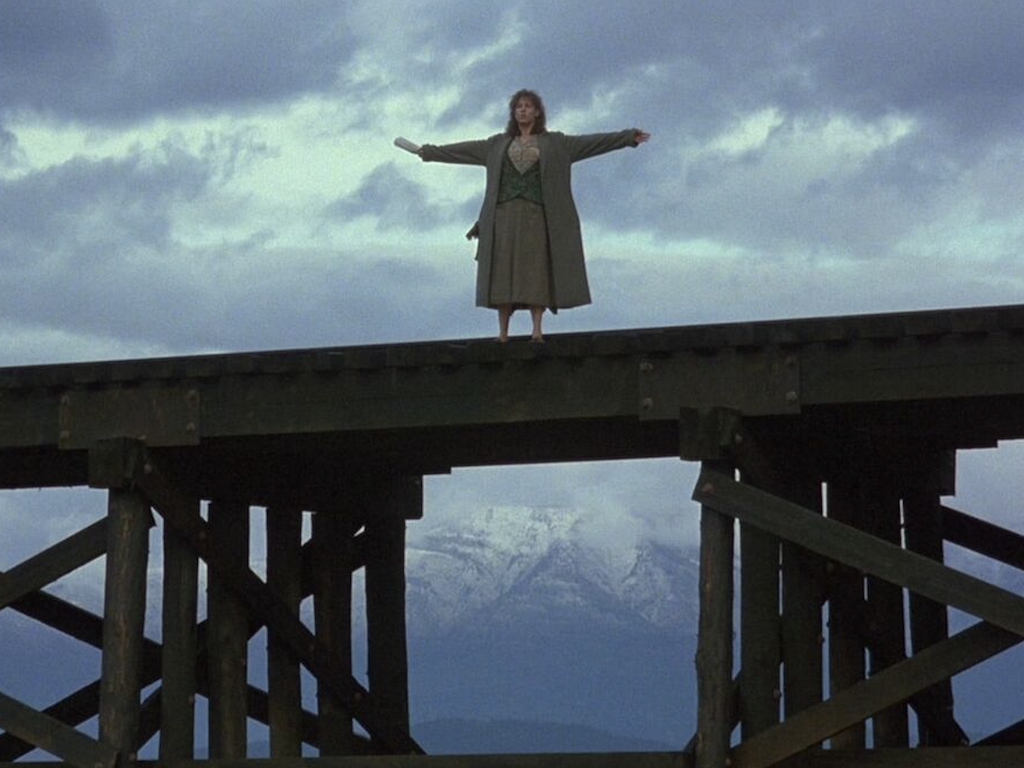
The header image this week is from Bill Forsyth's 1987 adaptation of Marilynne Robinson's 1980 novel, "Housekeeping." When I was a freshman in college, I read this book for my introductory English seminar taught by Ben Slote, a professor who exists in my memory as a perfect combination of Mister Rogers and William Stoner. In this class, I met two guys who would sort of become my Sam and Yash, cracking jokes about the copies of Newsweek I always read before class. There was a particularly exhausting woman who always sat at the front of the room, raising her hand every five minutes to ask unsolicited questions. I'm fairly certain our (unearned) hatred of her is what caused her to transfer to Bryn Mawr after less than one semester. She's now a tenure-track professor at Emory, has won Fulbrights, etc. This is a digression, but I guess the lesson is that if you shit talk someone for being annoying in college, you'll probably have a chip on your shoulder about how they're more successful than you in your 30s.
Anyway, what sent me down this reminiscence tangent was my quest for a book/movie that reminds me of this time of year when you can feel spring on the horizon despite the persistent shroud of snow. Even though "Housekeeping" takes place over several years and seasons, it is firmly a late winter/early spring book with memorable talk of the bone-chilling, persistent dampness synonymous with March. This is how Robinson introduces Sylvie (Christine Lahti in the film), an eccentric aunt who takes in her orphaned nieces after every other responsible family member dies:
Sylvie was about thirty-five, tall, and narrowly built. She had wavy brown hair fastened behind her ears with pins, and as she stood there, she smoothed the stray hairs back, making herself neat for us. Her hair was wet, her hands were red and withered from the cold, her feet were bare except for loafers. Her raincoat was so shapeless and oversized that she must have found it on a bench.
Sylvie is rarely without her coat and loafers, wearing them through "drenched," "soggy," and "sodden" states, often, to her nieces' chagrin, during inappropriate weather. Her hands are always freezing, her open coat billows in the wind, and fish from the lake fill her pockets, adding to the gelidity. On one occasion, out on a boat in the middle of the lake in her typical dank garb, one of her nieces asks if she's cold. Here's how Robinson illustrates her response:
“The sun’s coming up,” she said. The sky above Fingerbone was a floral yellow. A few spindled clouds smoldered and glowed a most unfiery pink. And then the sun flung a long shaft over the mountain, and another, like a long-legged insect bracing itself out of its chrysalis, and then it showed above the black crest, bristly and red and improbable. In an hour it would be the ordinary sun, spreading modest and impersonal light on an ordinary world, and that thought relieved me.
This is how it feels when you've spent months shivering and then suddenly, the warm light of spring spreads its tentacles across the earth, causing jackets to shrug off and joy to reemerge. We're almost there! Everything sucks less when it's no longer dark at 6pm. Also, regarding Forsyth's film adaptation, I recommend it whether or not you've read the book. Forsyth described the film as "a commercial to get people to read the novel,” an approach I respect so much more than all the recent piss poor adaptations that do whatever they want, source material be damned. If "Vladimir" falls into this trap, I will scream.
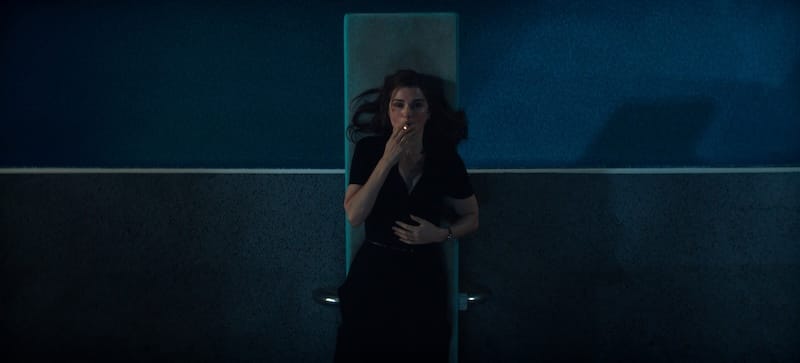
I had zero plans to watch this — especially after the horrendous preview images were released, featuring a shoddily bleached Carolyn Bessette-Kennedy in wrinkled Zara — but Ryan Murphy got my ass. I stopped paying attention to him post-"Feud" because his brand of trash typically does nothing for me, but I gave in to the internet hype and choked down the first five episodes over the weekend. Connor Hines ("Space Force"), the showrunner, wrote a majority of the episodes, and repeat directors include Gillian Robespierre ("Obvious Child') and Jesse Peretz ("Girls"). Murphy is an executive producer, so the show obviously contains his DNA, but the style is less smutty than other work I've seen from him. Don't get me wrong: it still isn't good, I just wasn't instantly repulsed.
Some, like JFK Jr.'s nephew, Jack Schlossberg, say the act of creating a fictionalized show that profits off his family is "grotesque." While I understand the sentiment, hasn't everyone in the Kennedy orbit been doing this shit for decades? He's angry the family wasn't consulted and therefore, unable to put their standard PR spin on the narrative. Where was this ire when their alleged friends spoke to Edward Klein about John and Carolyn's sex life for his salacious 2001 book, "The Kennedy Curse"? No one in the Kennedy family seems to care about how Carolyn is portrayed, which, up to this point, has been shallow at best, insulting at worst. The show is actually loosely based on Elizabeth Beller's 2024 biography, "Once Upon a Time: The Captivating Life of Carolyn Bessette-Kennedy," so while the perspective does occasionally shift to John's (Paul Anthony Kelly), it feels much more aligned with CBK's (Sarah Pidgeon). We've already heard this story from many people in the Kennedy camp and, since cultural obsession dictates we'll be hearing it until death, at least this version takes Carolyn beyond voiceless fashion icon.
As someone who never went that deep down the Kennedy rabbit hole, I've been enjoying fact-checking the show in real time. From what I've gathered, the portrayal has been relatively kind to John, who was definitely fucking around with many women, not just Carolyn, during his relationship with Darryl Hannah (Dree Hemingway). When my husband walked into the room during E3, the one where Jackie (an off-her-goddamn-rocker Naomi Watts) dies, he asked, "Was JFK Jr. really this much of a charisma vacuum?" The answer, of course, is no. While he looks the part, Kelly is wooden as hell and difficult to watch unless he's silent. Pidgeon's Bessette is much more dynamic and, whether accurate or not, brings an enigmatic confidence to the role. It's believable that she walks into a room and draws attention, not just because of her looks, but an ineffable aura. By E5, my tolerance for her dissipated thanks to all the soulless scenes she has with Kelly. I watched the Battery Park fight through my fingers with secondhand embarrassment for everyone involved.
That being said... Do I recommend it? If you're in a lobotomized state a la Rosemary Kennedy (tasteless joke), sure. I love seeing 2025 NYC masquerading as early 90s, cellphone-less NYC. The original costume designer responsible for those tragic previews was replaced at the last minute with Rudy Mance, so the overhauled wardrobe is thankfully spot-on, making the show worth watching for the fashion/styling alone. Unfortunately everyone is poorly cast, especially Watts who can't carry a Boston accent to save her life, and Grace Gummer, who plays Caroline Kennedy with the same level of stiffness as Kelly's John. I would probably stop watching now if not for my tacky, morbid curiosity over how the show plans to handle the crash. Is that Ryan Murphy "fuck your publicity rights" tawdriness going to come out or will they keep it classy? Personally, I hope they right the wrongs of "The Kennedy Curse," which blames the crash on Carolyn's nail polish indecision instead of, you know... John's inability to understand the limits of his capabilities.
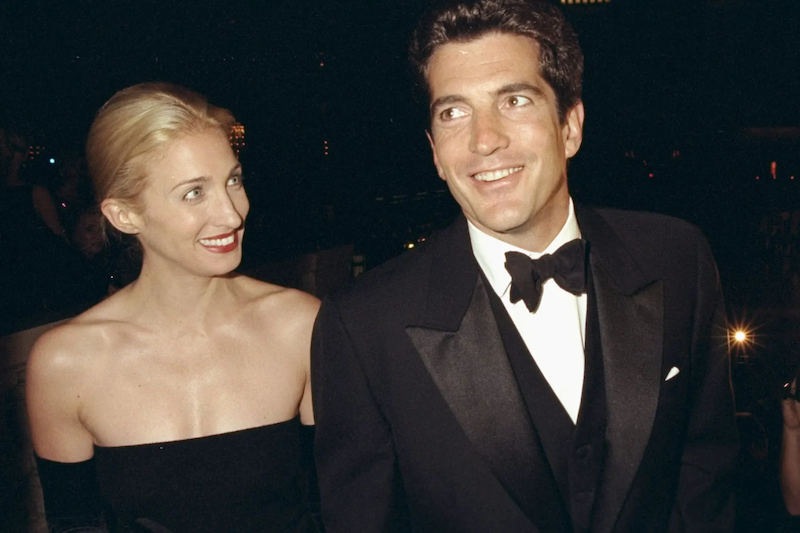
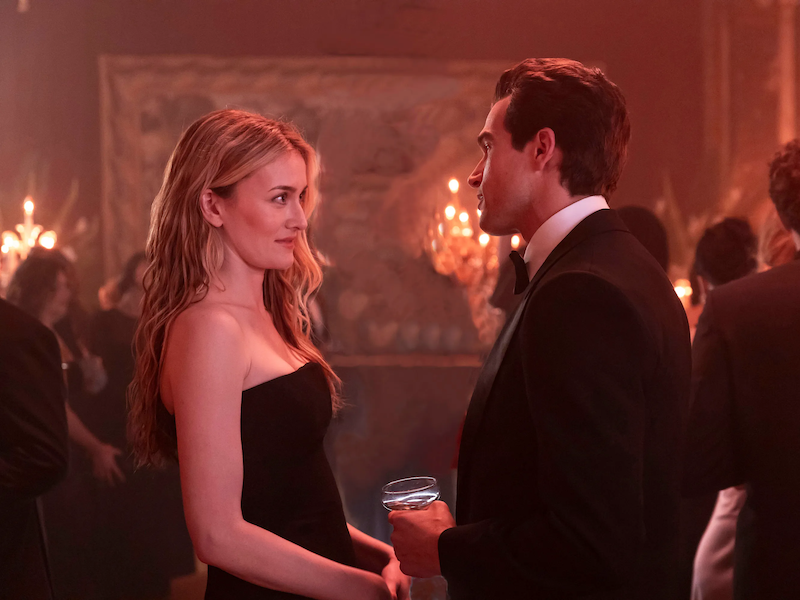
Calling Pidgeon and Kelly the Temu version CBK and John-John is too harsh; they're more like Amazon Basics.
P.S. If you can't get enough of the Kennedys (why), yet another show about them is currently in production, this one based on Frederick Logevall's 2020 book, "JFK: Coming of Age in the American Century, 1917-1956."
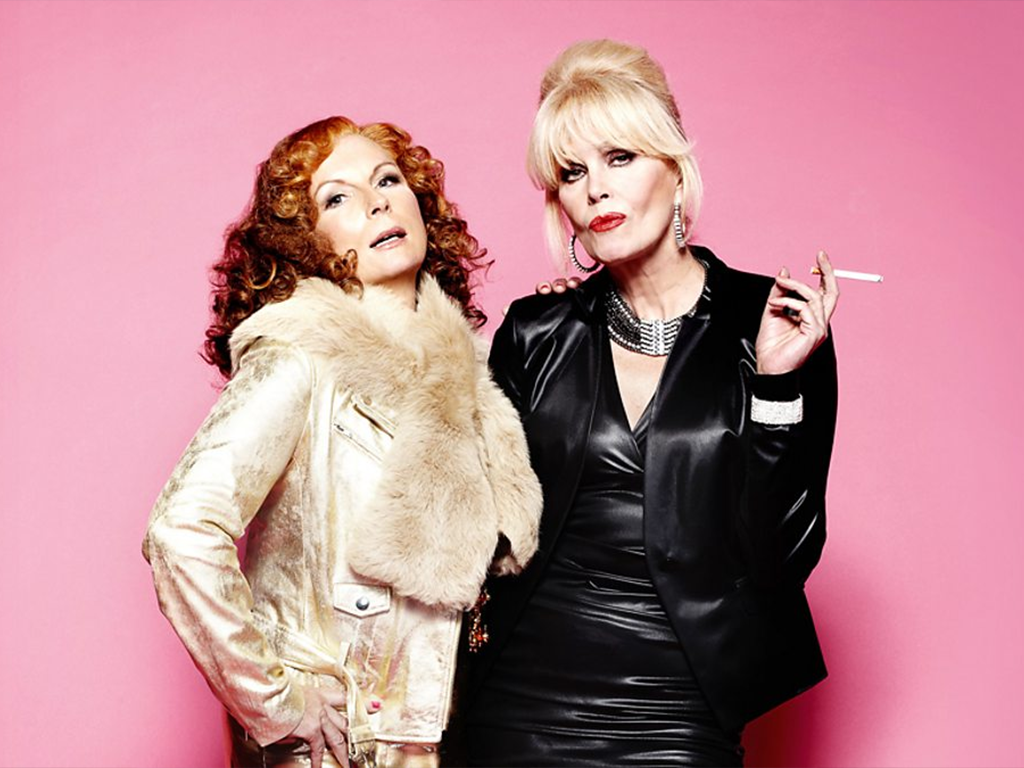
Watch if you like: 90s minimalism, "Sex and the City," Alessandro Nivola playing yet another fashion designer (Calvin Klein), chic people smoking cigarettes, immaculately designed interiors.
This is one of those quiet, slice-of-life novels where nothing really happens aside from the protagonist's slight shift in perspective. Written in the first person, Mr. Birkin looks back 58 years to 1920, when he spent the summer working in a (fictional) Yorkshire village called Oxgodby. During this time, he was in his early twenties, had recently been abandoned by his wife, and needed a chance to recuperate after returning from the war, where he fought (and acquired PTSD/a facial tremor) in the Battle of Passchendaele. He shows up in the town via train on an exceptionally rainy day and locates the church that has hired him to recover an old mural high on one of their walls. The novel details the six weeks he spends in the country, sleeping on the floor in the church's belfry, and temporarily becoming a village mainstay. Think: "How Stella Got Her Groove Back" if it was about a repressed British man who doesn't actually get to fuck the woman he's been pining over since she's married to his boss.
The novel is more than just some guy's wistful recollections, though. There's a haunting quality to it because you get the sense that present day 1978 Birkin wasn't able to sustain the ease of that magical summer once he returned home to London. The novel doesn't offer up any hint of what happened to him in later years, so all we have to go on are comments like this:
Ah, those days ... for many years afterwards their happiness haunted me [...] If I'd stayed there, would I always have been happy? No, I suppose not. People move away, grow older, die, and the bright belief that there will be another marvellous thing around each corner fades. It is now or never; we must snatch at happiness as it flies.
And why was the summer so great? Birkin barely had enough money for food and spent his days restoring religious art as an atheist for a stingy, asshole priest. He didn't even have a toilet, just a lilac bush to shit behind near a precariously dangling scythe. The days were long and hot with plenty of time for thoughts about the war and his failed marriage. There were moments of camaraderie and community, but with people we know he left behind and never spoke to again. On the first morning in Oxgodby, Birkin woke up and simply decided
that this alien northern countryside was friendly, that I'd turned a corner and that this summer of 1920, which was to smolder on until the first leaves fell, was to be a propitious season of living, a blessed time.
More powerful than religion, success, and romantic fulfillment is the ability to find satisfaction in a simple kind of life, to wake up, decide that everything is good, and truly believe it. Most of us fail to do this on a regular basis, but there are brief moments where good mental health and a concrete, tangible goal coincide to provide a reprieve from life's stresses. For a time, the present is all that exists and in that, happiness manifests. (If you read this book, make sure you get the NYRB edition with a fantastic introduction by Michael Holroyd.)
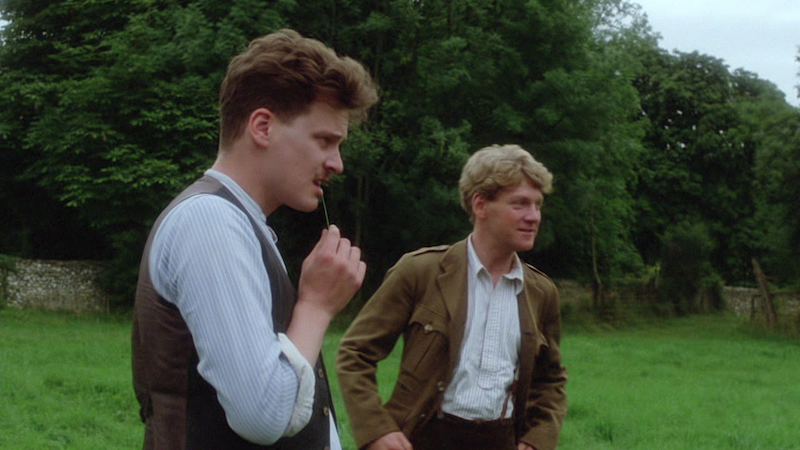
Read if you like: Humorous/likable narrators, books you can read if one sitting, John Williams, Penelope Fitzgerald, the fantasy of limited responsibilities, "Brideshead Revisited."
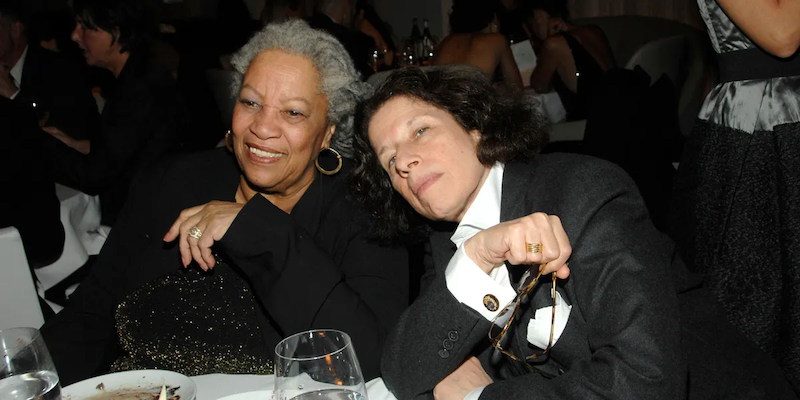
I've already blathered on for far too long, so let's take a break to look at some beautiful old people as a nice reminder that everyone doesn't have to be snatched for the gods. Every awards season, I get triggered by the sameness of how everyone dresses and looks. No one brings their own style to the red carpet anymore. Everyone has a stylist, relationships/contracts with designers, and too much dermal filler. I miss the days when people made the most of what they had with less fixation on perception. Hollywood has always been obsessed with youth, but at least the 90s were devoid of copy and paste cosmetic procedures.
When I want to see faces that move, I turn toward artists and writers, people who generally (hopefully?) devote less brain space to combatting the appearance of fine lines. This is not to say I'm above these shallow concerns, only that it's easier to shrug them off with the reminder of how chic it can be to embrace age instead of constantly fighting its external signs.
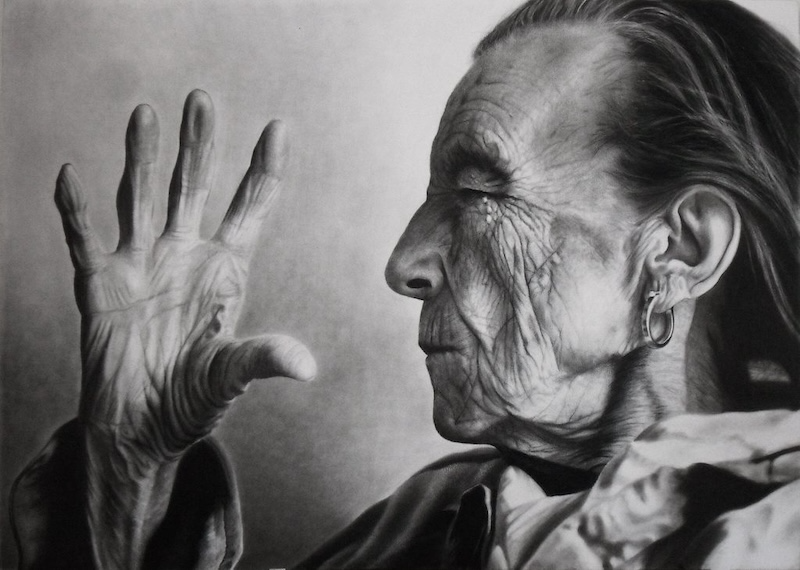
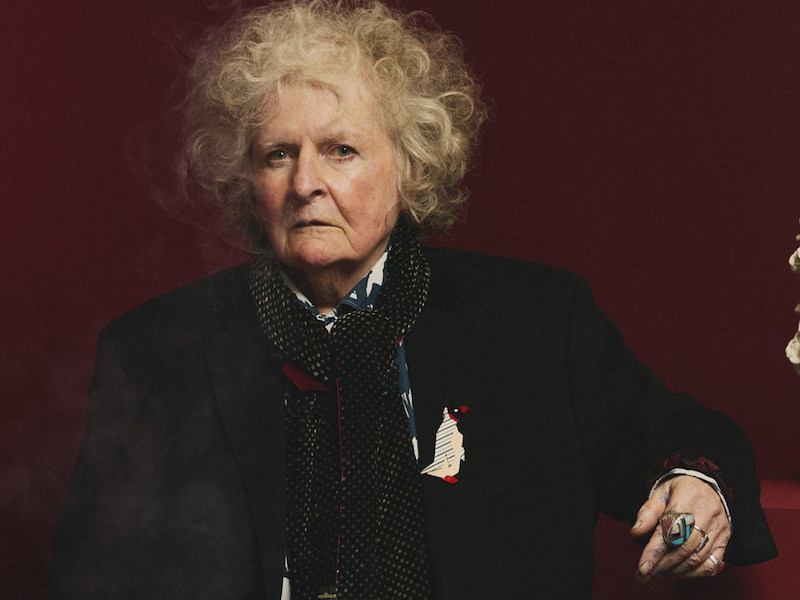
Louise Bourgeois and Maggi Hambling, two great artists with wrinkles denoting decades of hellraising and dealing with patriarchal bullshit.
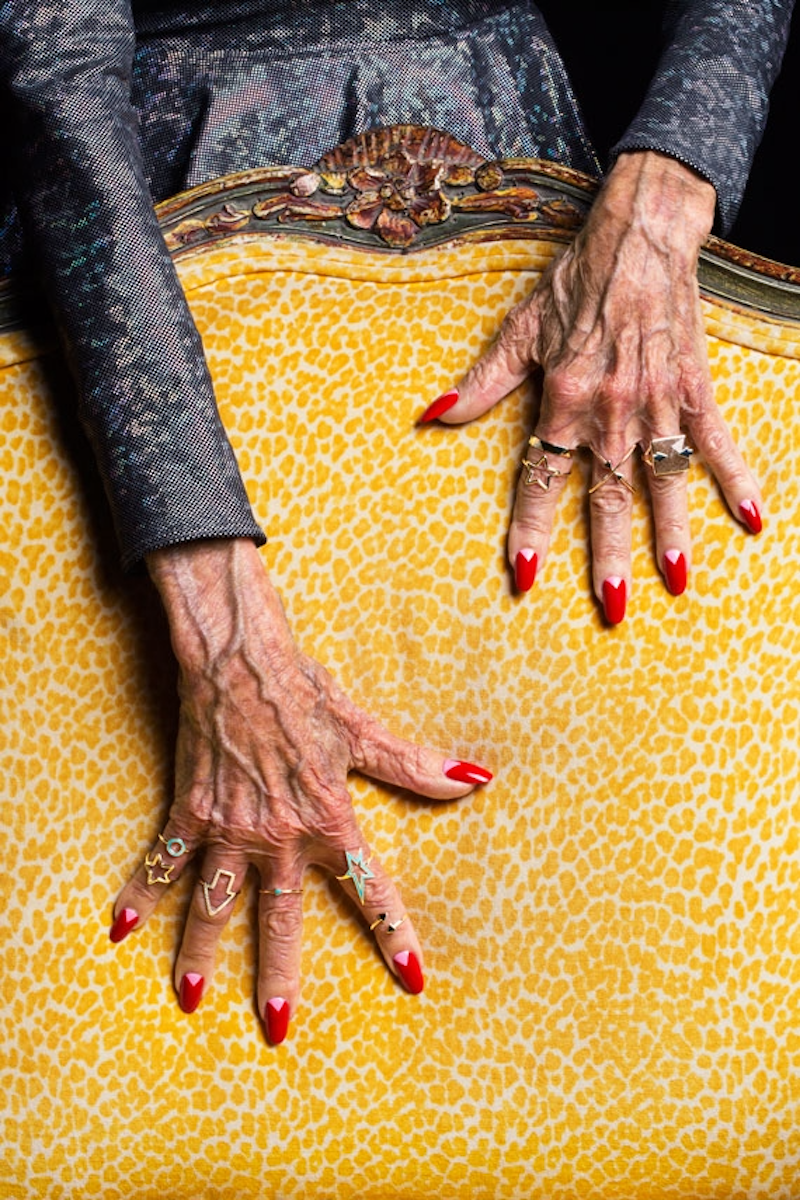
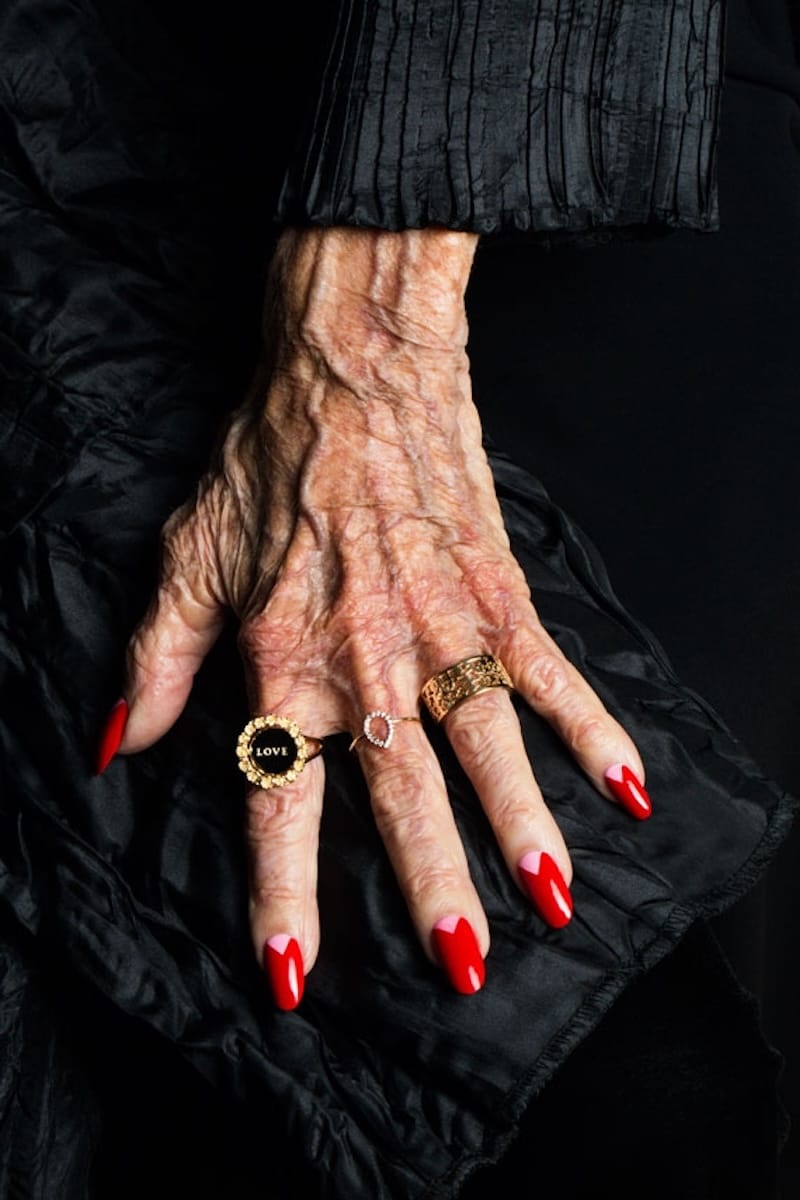
I love this Karen Walker ad campaign shot by Ari Seth Cohen of Advanced Style in 2016. The hands belong to 93-year-old Phyllis Sues (RIP), former star of the Ballet Russes.
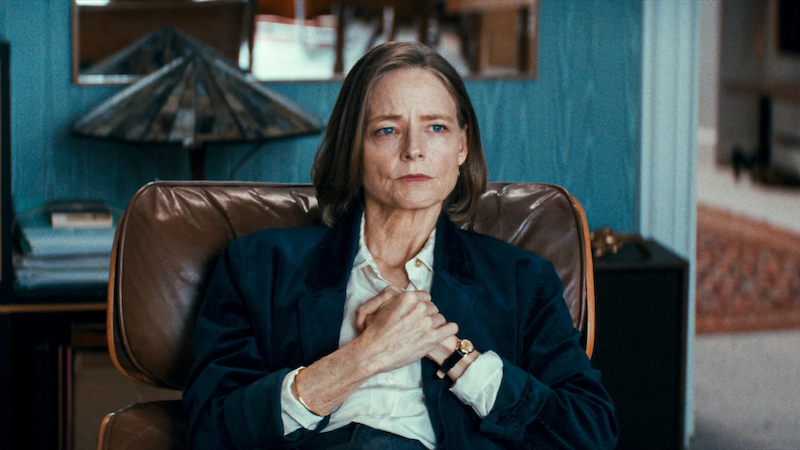
"The Bride!" is incomprehensibly bad. Like... pandering, "I'm with her" t-shirt levels of misguided feminism, cheap provocations, and so much screeching. It also just doesn't make any sense. There is no narrative throughline! I kept waiting for it to come together in some meaningful way but after about an hour, I realized that wasn't possible. I don't take pleasure in writing this, especially because I loved Maggie Gyllenhaal's first feature, an adaptation of Elena Ferrante's "The Lost Daughter" (2021). I'm at a loss for what could have possibly happened. This movie allegedly cost over $100M and I can't imagine it's going to make even half of that back. It's Elaine May's "Ishtar" for the 21st century, only I don't see it turning into a cult classic twenty years later. Not even the cringiest person would dress up as the Bride (Jessie Buckley) for Halloween, which is what I imagine they were gunning for with that unfortunate black mouth stain and bleached, then thinly drawn on, eyebrows. The styling is like a cursed mash-up of Lady Gaga in "Joker: Folie à Deux," Margot Robbie's Harley Quinn, and Jean Harlow. It is extraordinarily derivative and distracting; I violently hated it.
I've already started erasing this movie from my brain, but from what I remember, it starts with a black and white Buckley as Mary Shelley, talking about how she never got to tell the full story she wanted to when she was alive. In order to finish it, she's decided to take possession of a woman in the 1930s and use her as a vessel for her voice. If a 14-year-old goth girl came up with this concept after reading "Frankenstein" in English class, I would enthusiastically point her to Wattpad, but as a $100M movie? No fucking way. After Shelley's admission, we see Buckley as a girl named Ida, dining with a bunch of Chicago gangsters at a fancy restaurant. Things are initially festive and flirty, but quickly turn sinister once Shelley starts rooting around in Ida's brain, causing her to spout off literary witticisms and jump on top of the table.
From there, Ida is accidentally killed, resurrected as the Bride — by Frankenstein's monster (Christian Bale) and Dr. Euphronious (Annette Bening) — goes on a (near) rape-revenge murder streak with Frank, ends up inspiring hordes of other women, and eventually ends exactly as you might expect. How does Jake Gyllenhaal factor in? He plays a Fred Astaire-esque movie star who Frank is obsessed with. Peter Sarsgaard and Penelope Cruz are detectives hunting down the Bride and Frank. If this sounds like fragmentary nonsense, that's because it is. The film simultaneously wants to be a feminist sequel, a "Bonnie and Clyde" doomed love story, a showcase for Buckley even though it gives her nothing to work with, and a tongue-in-cheek commentary on many different art forms that came before it. It's trying to do way too much and as a result, accomplishes nothing.
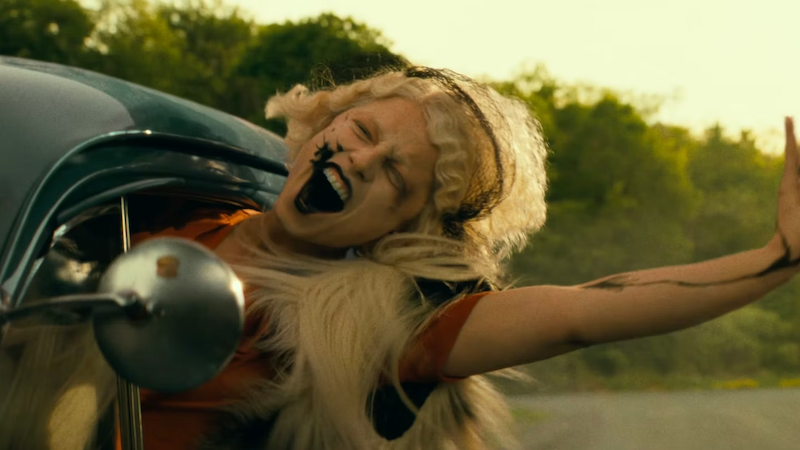
Watch if you like: lengthy disasters, Emerald Fennell, looking at your watch every fifteen minutes, imagining a pretentious, overwritten English paper as a movie.
Blink-182 reminds me of being young, dumb, and doing dirtbag shit with my high school best friend and her brothers. I hadn't thought of this song in years, but it came on in a Northampton vintage store a few weekends ago and instantly transported me to the dark basements and Eat'n Park buffets of my youth. When I got home and searched for it on YouTube, this cover by Frank Watkinson came up as a recommended video and ripped my heart right out of my chest.
I don't have anything else to say about, but enjoy crying!
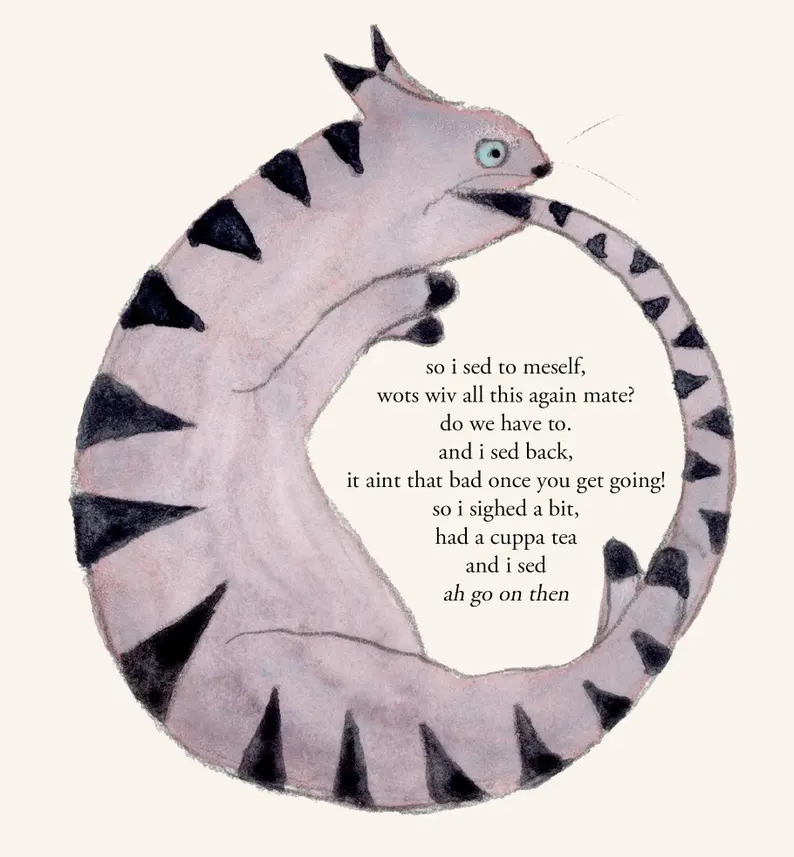
If you need to do anything annoying this weekend, channel Amber Fossey's Ouroboros Cat and get on wiv it, then.