One of the best feelings in the world is walking around a city on the first nice day in months. Everyone is in good spirits, shrugging off coats and smiling at their good fortune. For a brief moment, it feels good to be alive even though we're living in a dictatorship and being waterboarded by a steady drip of daily idiocy. For a few hours over espresso tonics and crispy shoestring French fries, none of that matters. Happy spring equinox! When life feels sad and pointless, at least we'll soon be able to bask in the sunshine with bare feet in the grass. It's a far better alternative to my winter coping mechanism of climbing into bed at 7pm and letting the faint strains of "'RuPaul's Drag Race,' may the best drag queen winnnnnnn" lull me into a fitful sleep.
Last week, I went to the Museum of The City of New York for the Robert Rauschenberg exhibit. I had never been there before, so watching "Timescapes," a 28m film by James Sanders and Jake Barton about the history of NYC, felt mandatory. Naturally, Stanley Tucci, America's favorite honorary gay, narrates, and Cynthia Nixon makes a voice cameo. The whole thing is a very successful propaganda piece that feels like something written after too many mimosas at one of those glorious spring brunches. I half-expected Alicia Keys to start singing "Empire State of Mind" as the credits rolled. I can't remember all the crazy shit that was said, but the film lost all credibility for me after a line about the city's Indigenous people "disappearing or being displaced" (I'm paraphrasing). Other grievances include vaguely praising Michael Bloomberg and Robert Moses while simultaneously yelling, "Yay for capitalism!" at every turn.
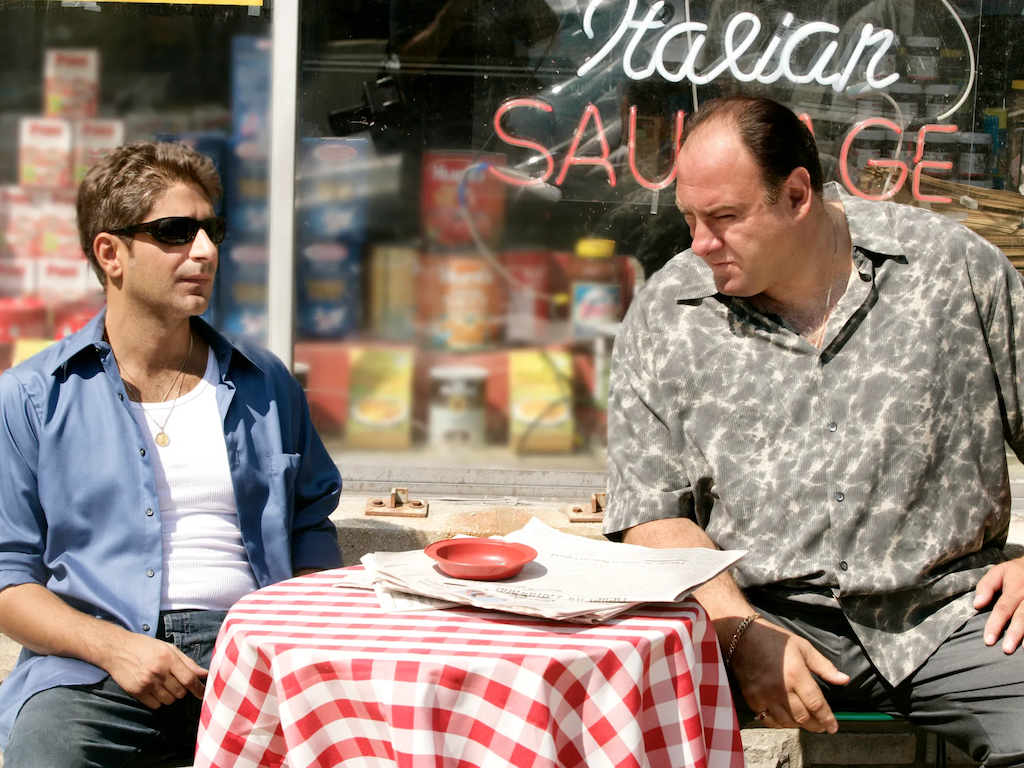
As I get older, all I want is some balance between delusional, ignorant optimism and "kill me now because everything is evil" pessimism. Is it possible or am I doomed to the extremes of Tony Soprano with the ducks vs. bedridden in a bathrobe? Only time will tell.
This is the first novel I've been legitimately excited about in some time. Don't get me wrong: I've thoroughly enjoyed books like "Heart the Lover" (2025) and "A Month in the Country" (1980), but I wouldn't recommend them without a few caveats; "Ex-Wife," on the other hand, is suitable for everyone from my mom to my husband to my gynecologist. It has mass appeal for anyone interested in what it was like to be a self-sufficient woman in 1920s NYC. Picture a mix of the four women on "Sex and the City" and you'll have a good idea of what to expect with Parrott's protagonist, Patricia. The book is written in first person, four years after her husband of roughly the same time has jumped ship. As 28-year-old Pat looks back on 24-year-old Pat, she reflects on the dissolution of her marriage, its aftermath, and the new romance that follows. It feels incredibly modern for a novel published in 1929, and I would even argue that many of its views are still relevant/progressive today. As independent as she is, Patricia's life revolves around, and is defined by, men from the beginning of the novel to the end; however, Parrott is aware of this and finds it as depressing as a modern reader.
Originally, "Ex-Wife" was published anonymously because of its semi-autobiographical nature, featuring controversial details like abortion, open marriage, secret children, and casual sex. The husband Ursula divorced IRL, Lindesay Parrott, was a foreign correspondent for The New York Times, so he was also a public figure who I imagine didn't want details of his personal life read by the masses (the novel sold 100k copies in the first year). When they divorced in 1926, Lindesay had recently discovered that Ursula had given birth to a son in 1924, hiding the entire affair from him for a solid two years because of his disdain for parenthood. For the first seven years of his life, the child, Marc, lived with his maternal grandparents in Boston. Ursula eventually assumed responsibility for his care, and they ended up having a decent enough relationship that he wrote the afterword to the 2023 McNally Editions reprint sans profanities. He did describe "Ex-Wife" as an albatross, though, and directly tied it to his mother's downfall. Despite earning an obscene amount of money, especially for a woman, Ursula died in a charity ward.
If any of this piques your interest, read Alissa Bennett’s introduction, available in full via The Paris Review, or this snippet of Pat reflecting on her friendship with her roommate, Lucia, who is moving out and getting married:
At the Waldorf, I wanted to tell her that I had loved sharing an apartment with her, and that I liked her better than any woman I had ever known—but Lucia and I were inarticulate with each other about things like that. So we talked of places Lucia and Sam would visit, and things I wanted her to get me in Paris, and ate tomato en gelée, and lobster, and alligator pears—the preposterous sort of meal women order when they are dining together.
1920s girl dinner is a hell of a lot fancier than eating a stack of saltines and grape jelly standing up in the kitchen while reading fashion magazines.
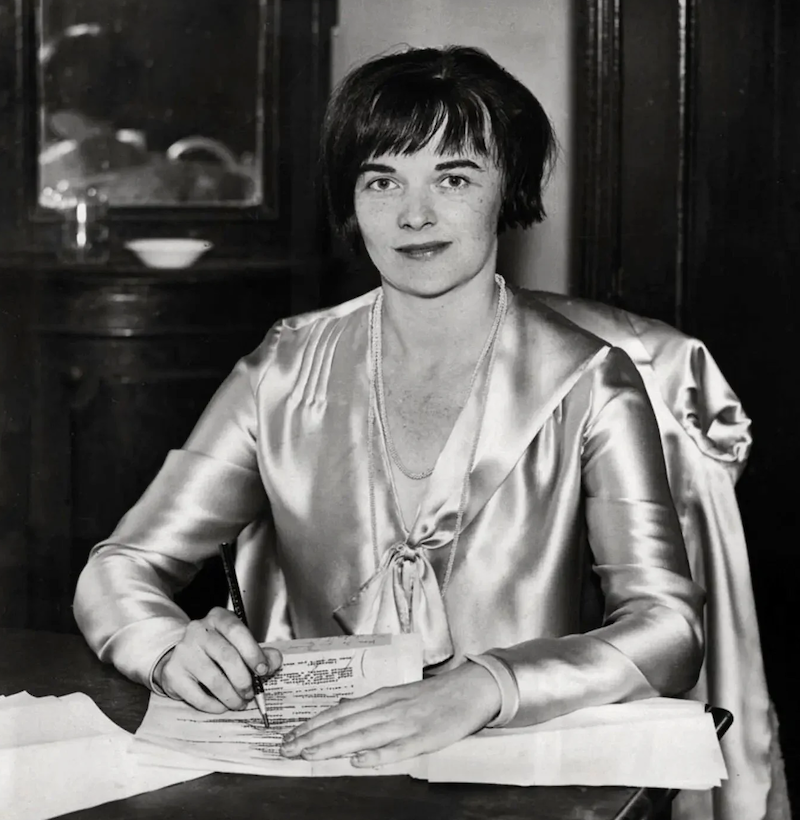
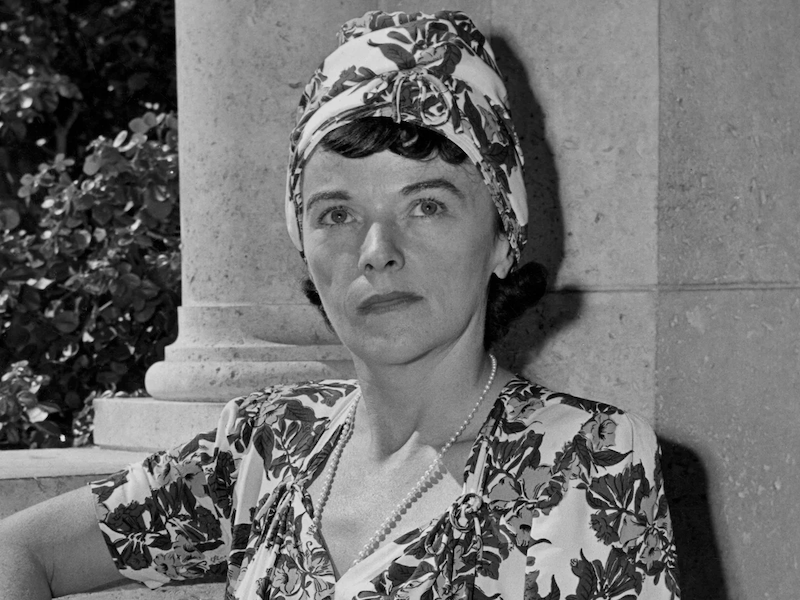
Left: Parrot in 1929 when "Ex-Wife" was published. Right: Parrot during her 1943 trial for aiding an army deserter.
Read if you like: "They Shoot Single People, Don’t They?," Pete and Trudy's relationship on "Mad Men," a cigarette in one hand and a highball in the other, Caroline Blackwood, Jean Rhys, '90s romcoms with the disillusionment of Sylvia Plath.
I'm only halfway through the first season of "Ludwig," but I feel good recommending it because there's no possible way it could take a big enough misstep to annoy me. Also, Alex is the one who told me to watch it and she never leads me astray.
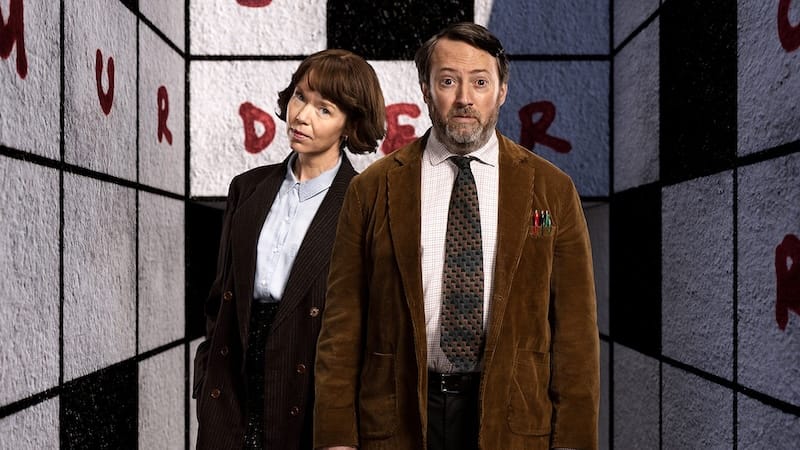
John Taylor (David Mitchell) is a puzzle-setter who still lives in his childhood home, which he never leaves unless forced. In the first episode, he receives a call from Lucy (Anna Maxwell Martin), his sister-in-law, who begs him to come over for dinner, even going so far as to send a taxi to pick him up before he agrees. When John arrives at her house, he learns that her husband/his twin brother James, a detective chief inspector, has vanished, leaving behind nothing more than a cryptic note. Lucy is convinced that something happened at work to send James into hiding, so she cajoles John into impersonating him so he can search for clues at the police station. Socially awkward, probably autistic John not-so-surprisingly crushes it during his first day on the job, using his puzzle mastery to solve a murder. From there, the show follows the standard format of exploring the central mystery of John's disappearance, along with a murder of the week... a puzzle-within-a-puzzle, if you will.
The entire cast is fantastic, including my beloved Sophie Willan as a grouchy IT person, along with the central pairing of Maxwell Martin and Mitchell, two veteran British actors with great chemistry and comedic timing. If you want something to toss on while eating dinner or unwinding from a bullshit day, this is the ideal show.
Watch if you like: "Only Murders in the Building," seeing faces that move, Adrian Monk's British counterpart, cozy mysteries, watching someone poorly drive a manual Saab, "Poker Face," "Murder She Wrote."
Back when I was still able to use Instagram without teetering on a rage stroke, I used to post seasonal carousels to get myself excited about clothes again (see one, two, and three). Since the horrific privacy and UX/algorithm updates now make it unbearable, we're going old school blog on this bitch.
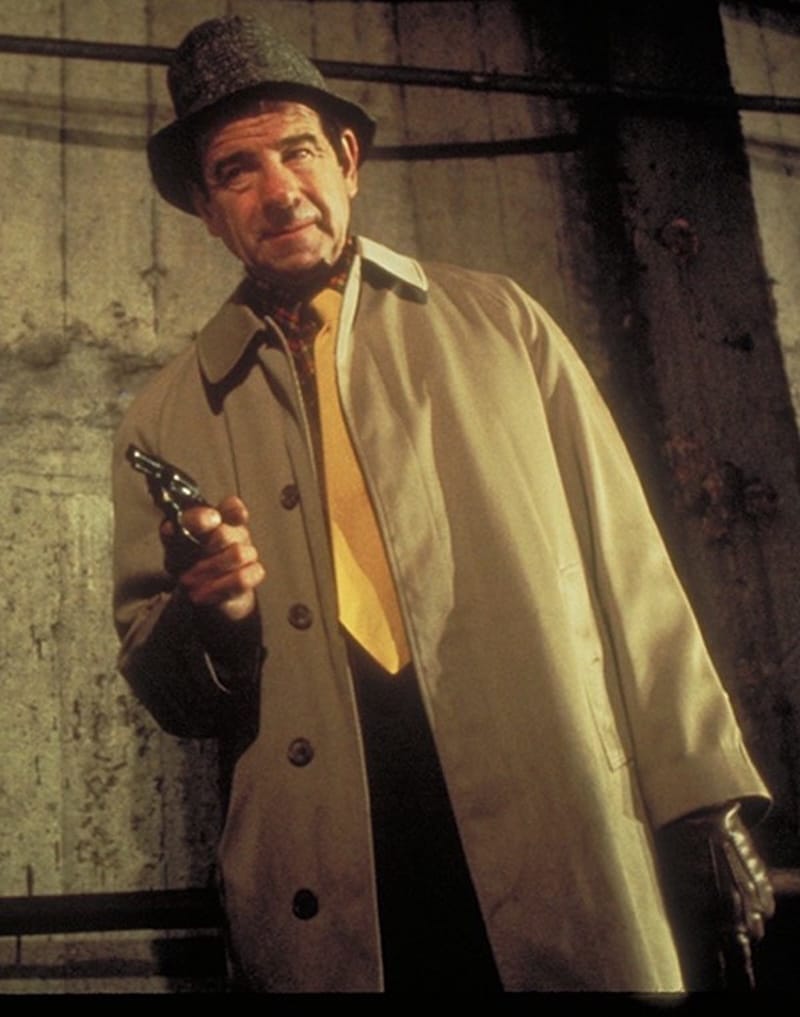
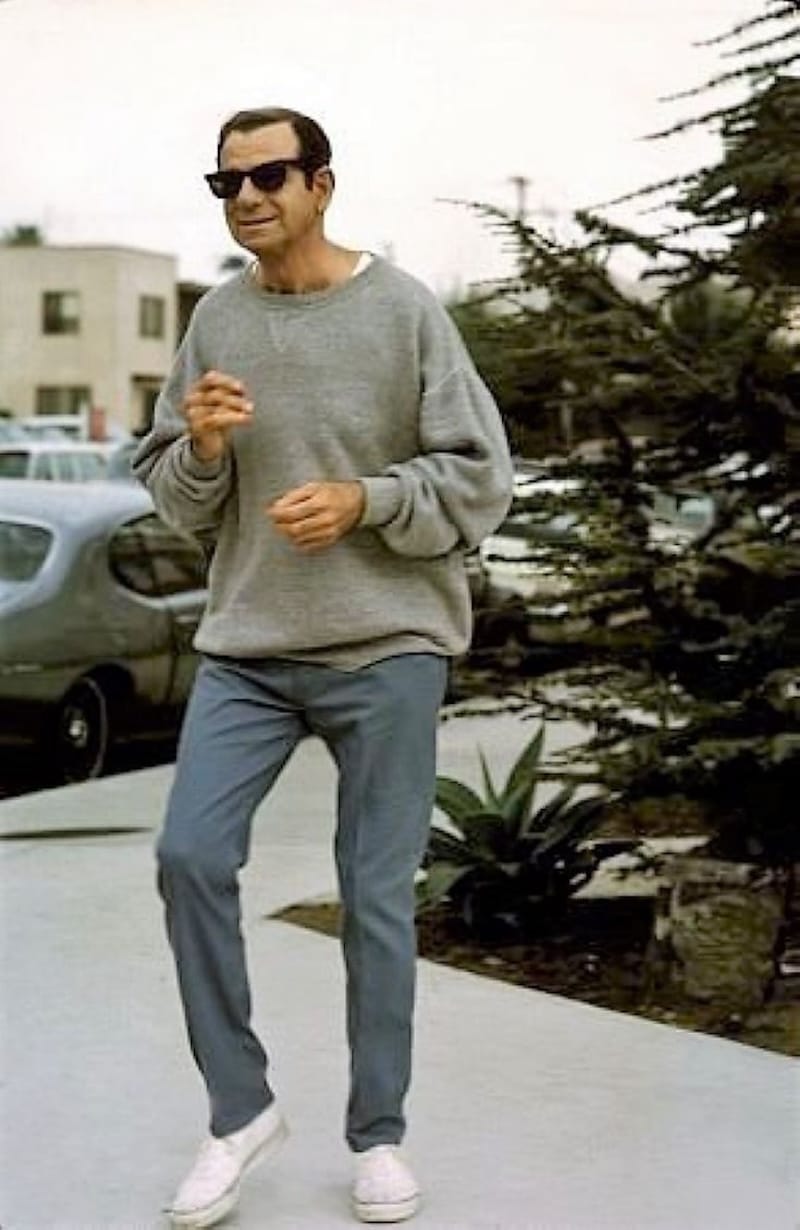
Left: Walter Matthau's trench coat in "The Taking of Pelham One Two Three" (1974). Right: Matthau's outfit from "Cactus Flower" (1969).
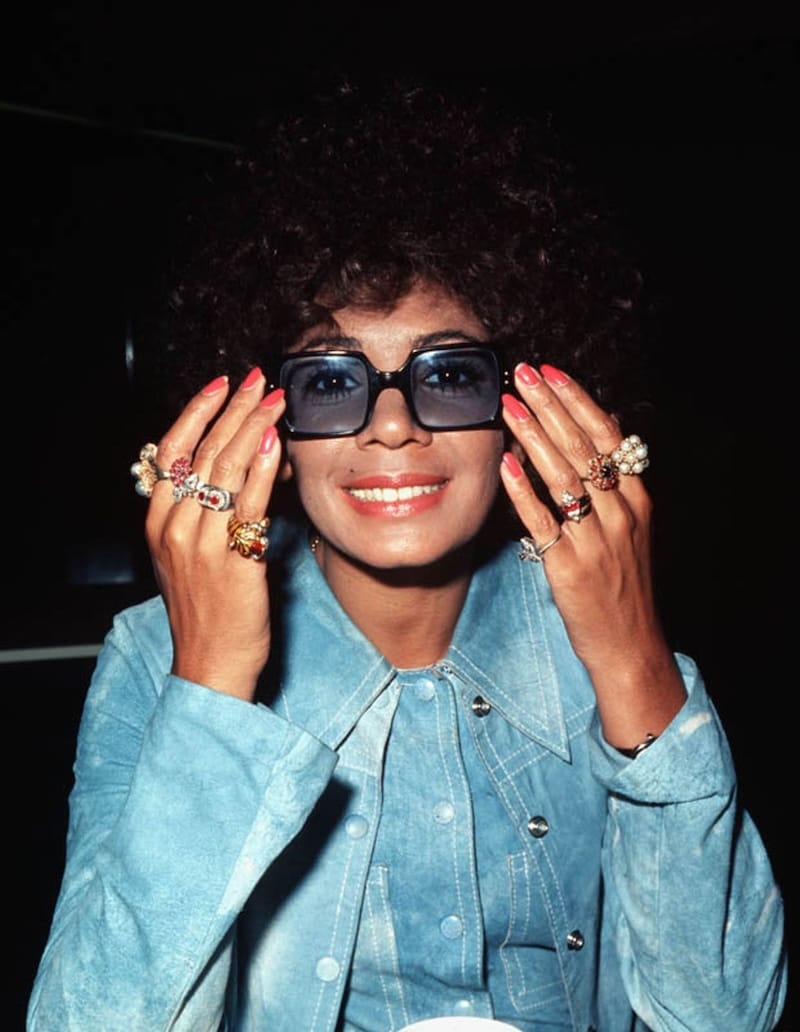
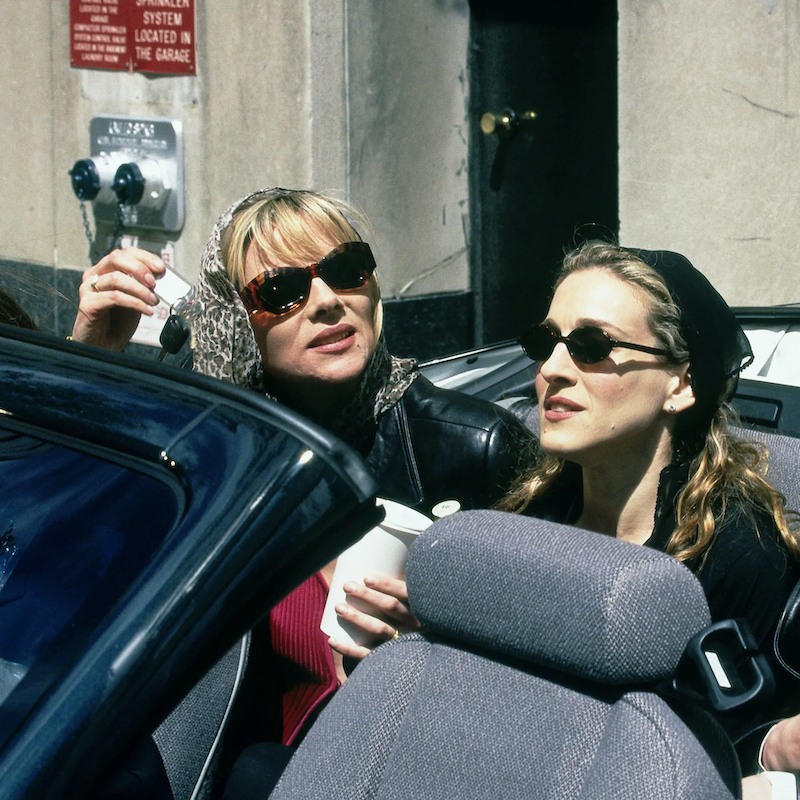
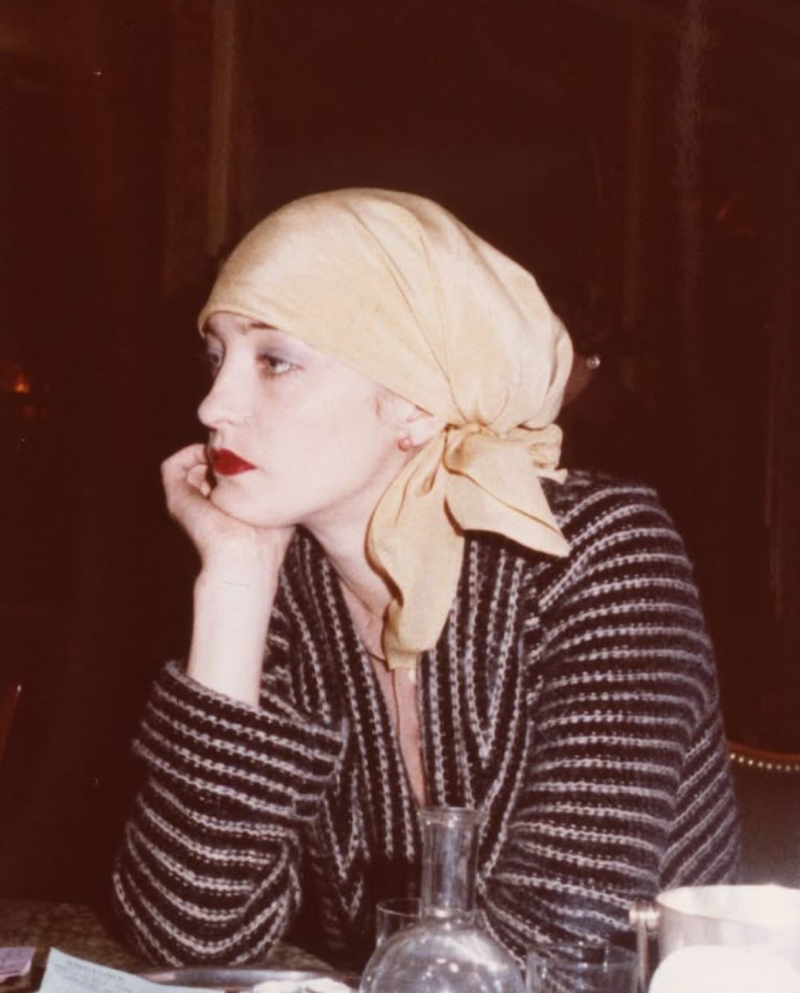
Headscarves a la Samantha and Carrie en route to Laney's baby shower | Yves Saint Laurent jewelry and accessories designer, Loulou de la Falaise in 1975.

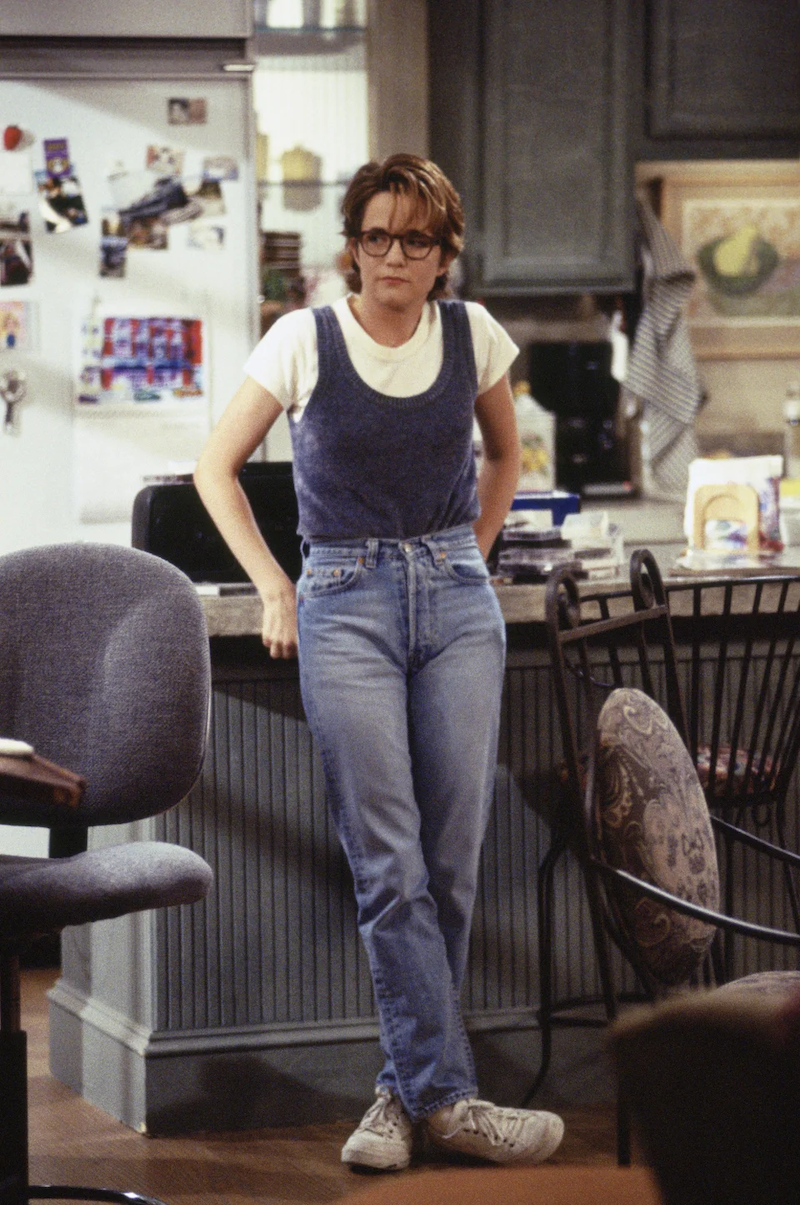
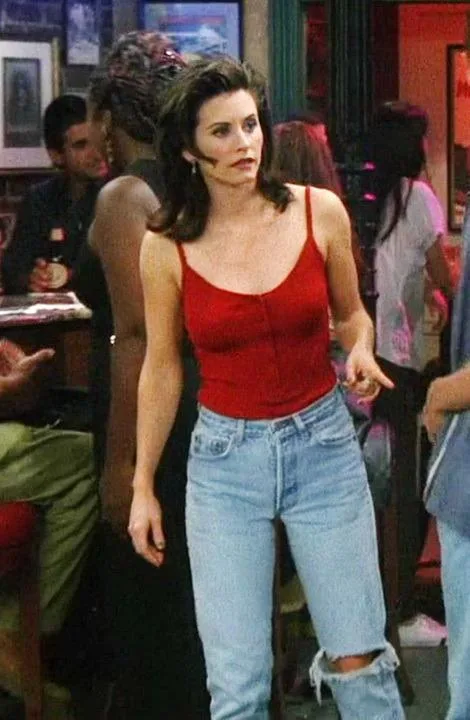
Lea Thopmson in "Caroline in the City" in 1995 | Courtney Cox in "Friends" in 1994.

Likewise applicable: Linda Cardellini's styling in this photoshoot.
I was onboard with Julia May Jonas from the moment I read her Grub Street Diet:
I have reached some very old-man stage in which I love all flavors in concert with coffee. There’s a scene in that film Wanda in which she’s eating spaghetti with marinara sauce and drinking coffee and smoking, and it is supposed to be gross, but other than the smoking — I’m very nostalgic for smoking but I do not have any desire to do it while eating — I find it crave-inducing.
Then I read "Vladimir," along with some of her short fiction and plays, and felt we were on the same wavelength. Female shame and desire, moral ambiguity, power/gender dynamics, and character-driven narratives? All right up my alley. While reading "Vladimir," I never once thought it would make a good adaptation because it's written in the first person from the point of view of someone who does a significant amount of internalizing and proves to be an unreliable narrator. Here's an example:
As enthralled as I was with Vladimir, he took too much melodramatic ownership over Cynthia's psychological well-being. He acted as though it were his burden and his alone. I felt umbrage, as a fellow female, that Vlad insisted on bringing up her troubles nearly whenever she was mentioned. It smelled of condescension and a gooey fetishizing of her suffering.
Does this come through in the Netflix adaptation? It does not. For those unfamiliar, "Vladimir" is about an unnamed woman (Rachel Weisz) who teaches English literature at an upstate liberal arts college. She and her husband John (John Slattery), also an English professor, were a campus power couple until #MeToo hit and all the co-eds he once fucked accused him of sexual misconduct. When the narrative begins, he has been placed on administrative leave and is awaiting a trial to determine whether he'll be able to keep his pension. You might expect our narrator to have big feelings about all of this, but the couple had an open marriage and she believes in female agency, so she stands by his side, facing the judgment of those who wish she'd do/say something to condemn his actions. In the book, Jonas gives us delightful passages like this:
I am depressed that they feel so guilty about their encounters with my husband that they have decided he was taking advantage of them. I want to throw them all a Slut Walk and let them know that when they're sad, it's probably not because of the sex they had, and more because they spend too much time on the internet, wondering what people think of them.
In the show, these zingier bits are adapted into direct-to-camera addresses a la "Fleabag," giving them a tongue-in-cheek vibe that undercuts the writing. Once Vladimir (Leo Woodall), a young new professor and the object of the narrator's lust, is introduced, they become even cringier. A scene will contain whatever interactions are actually happening intercut with fantasy, along with awkward pauses where Weisz pauses to spout off a witty line of dialogue before returning to the action. Since the book exists in the narrator's head, we don't have to suffer through any of this strained visual language meant to convey interiority. We also don't have to continually wonder why someone as hot as Weisz doesn't seem to know she's hot.
One thing the show and book both suffer from is shitty, abrupt endings. They're significantly different and neither is quite right. I could go on about all the things that upset me, but I think I'll leave you with a shitty, abrupt ending of my own and maybe write about this in more depth later.
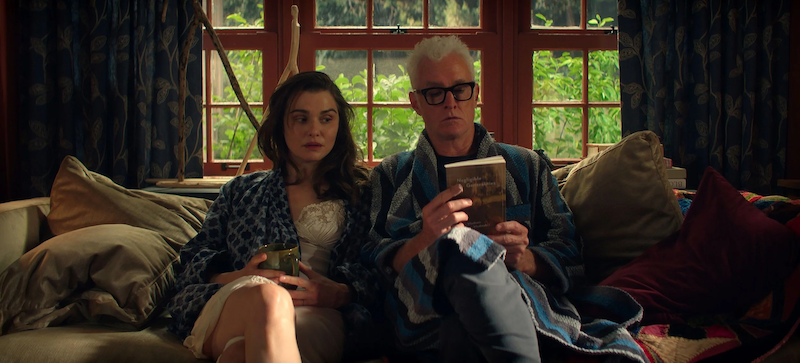
Watch (or better yet, read) if you like: Dark academia, "Big Swiss," middle-aged fantasies that take you out of the fantasy by constantly reminding you of what's sagging, "My Dark Vanessa," "Once Upon A Time… at Bennington College."
When I was younger, I was often absorbed in a book series, from The Baby-Sitter’s Club to Stephanie Plum. At some point, I decided I was too mature (cough pretentious) for beach reads and committed to serious literature. I feared turning into someone’s aunt checking out every Sue Grafton book from the library and mindlessly consuming them as the TV blares in the background. Well now, in this age of social media brain rot, I’ll do anything to stay off my phone, including reading books I may have once side-eyed. If it’s keeping you sane and bringing you joy, who cares if the writing is basic. At least it was written by a human, not a robot. Oh, god, this is how standards completely slip, isn't it? It’s like deciding to work from home in sweatpants one day and then never encountering a zipper again. No matter... I stand by it.
I haven’t gone down a John Grisham hole yet so don’t sound the alarm, but I’m currently in the midst of Mick Herron’s Slow Horses series and thoroughly enjoying myself. I‘ve already watched five seasons of the show based on the novels, so it’s been a fun exercise in considering how the adaptation was crafted. As with My Brilliant Friend, the show is remarkably faithful to the books and actually deepens some of the weaker characterization. I found the Min/Louisa relationship much more convincing onscreen, along with everything involving Spider Webb. While Herron's prose is often a little workmanlike for my taste (how could it not be, the man has published nearly one book per year for two decades), he writes some fun descriptions, often involving cigarettes:
He lit up. The smell of fresh tobacco filled the room, displacing the smell of stale tobacco.
The city never really slept; it endured white nights and fitful slumbers. Its breakfast was cigarettes, black coffee and aspirin, and it would feel like death warmed up for hours.
Unregarded, then, and off the leash, she lit a cigarette, and dragged a lungful of sweet poison into her system. Like most pleasures, this one diminished the more you indulged it.
Other series I've enjoyed as an adult include Amy Stewart's Kopp Sisters and Patricia Highsmith's Ripley. Up next: Knausgaard's My Struggle.

Here is a spring poem for your psyche:
Becoming Moss
Ella Frears
I lie on the ground.
I open my mouth.
I suck on a spoon.
I embrace a stone.
A beetle crawls by.
I empty my mind
I stuff it with grass
I’m green, I repeat.
The sun is a drink.
The yellowest squash
I can’t get enough
I can’t get enough
I can’t get enough
I can’t get enough
I can’t get enough
I can’t get enough

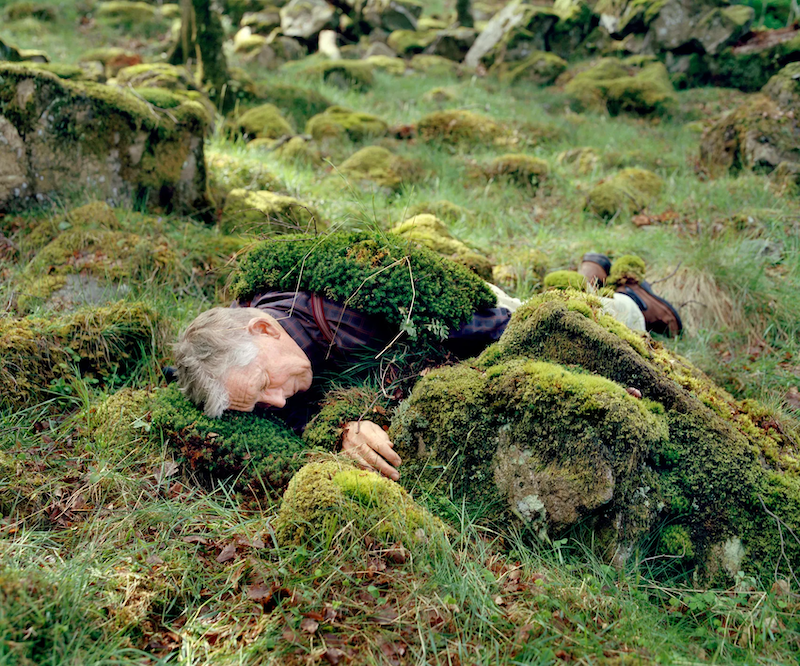
Left: "Tree Goddess" by Jeanne Cameron. Right: "Eyes as Big as Plates # Torleiv" by Karoline Hjorth & Riitta Ikonen.
P.S. Who's excited for "The Comeback" this weekend?